The New Luxury Is Wellness Built Into Everyday Life
September 7, 2026 | Read Time: 7 minutes
For years, residential wellness was easy to picture as a list of amenities: a fitness room, a pool, perhaps a spa. The more consequential shift now is not how many wellness features a property can offer, but whether those features are close enough, flexible enough and well supported enough to become part of ordinary life.
That change is showing up across real estate. The Global Wellness Institute’s 2025 Build Well to Live Well report estimates that wellness real estate reached $548.4 billion globally in 2024 after growing 19.5% annually from 2019 to 2024. More important than the size of the market is the direction behind it: wellness is moving from an occasional experience toward something built into the places people live every day.
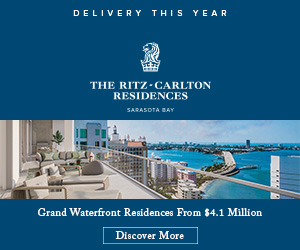
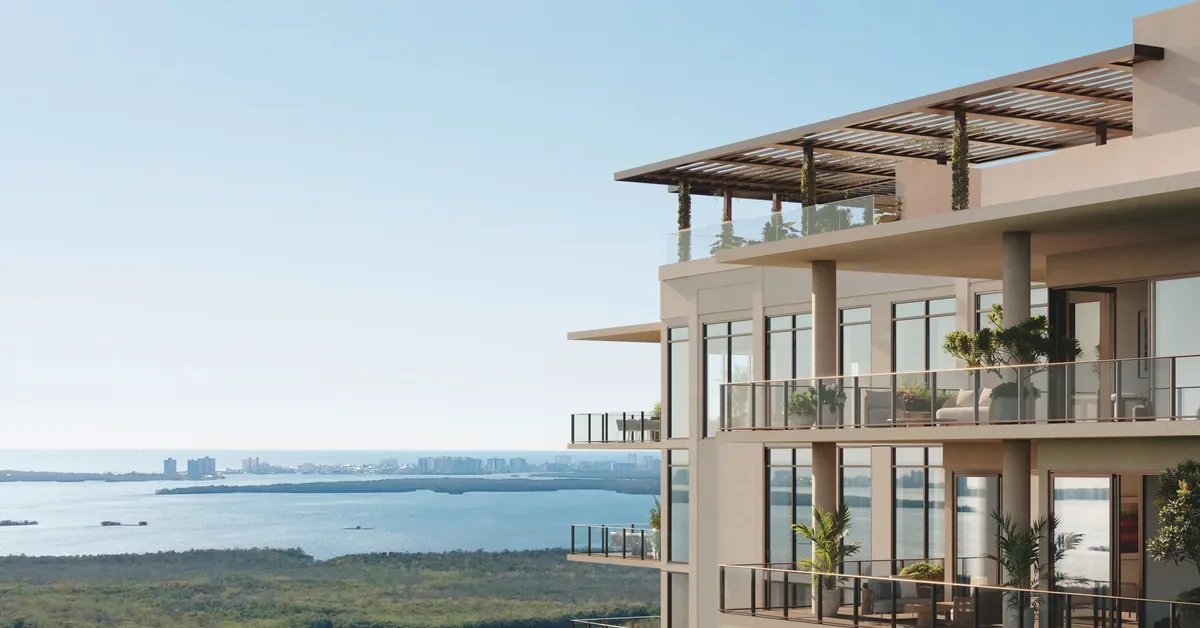
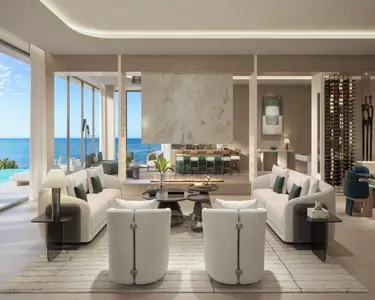
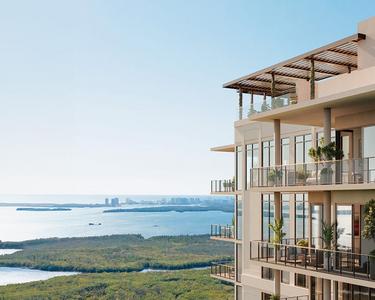
One luxury residential example of that broader movement is The Ritz-Carlton Residences, Sarasota Bay. Its private Harbor Club is being developed around fitness, recovery, recreation and service, but the larger idea is how those pieces can be activated around an individual resident’s routine rather than treated as spaces that simply exist.
Wellness Is Moving Beyond the Amenity List
The Global Wellness Institute defines wellness real estate around built environments that are designed, built and operated to support holistic health. Its framework goes beyond physical exercise to include mental and social well-being, access to nature, opportunities for connection and environments that reduce everyday friction.
That distinction matters because a building can contain impressive wellness spaces without necessarily making wellness easier to practice. GWI’s guiding principles call for a shift from passive to active wellness and, notably, from infrastructure to operations: the physical setting matters, but so do the programming and ongoing systems that bring it to life.
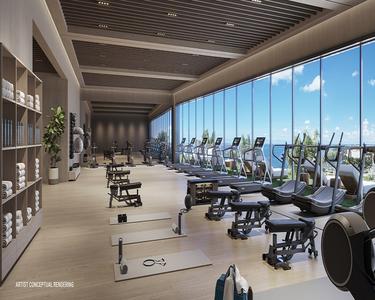
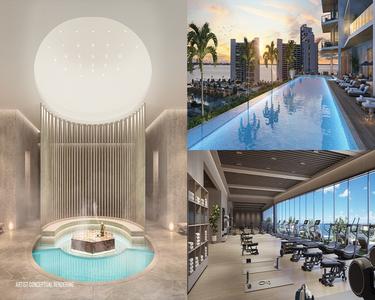
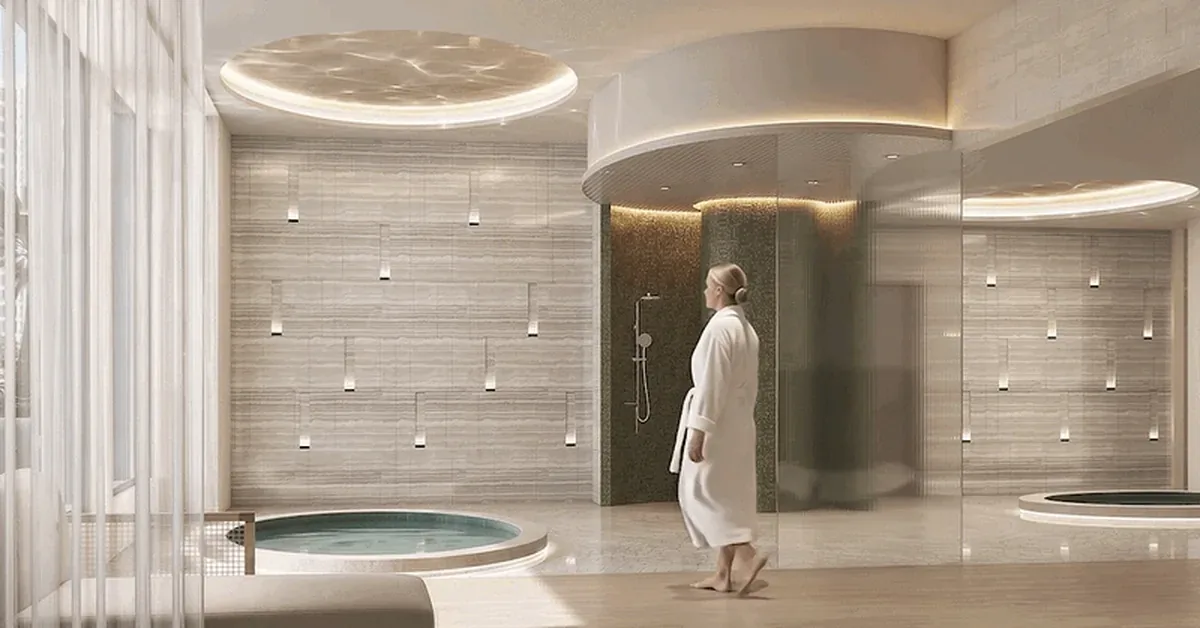
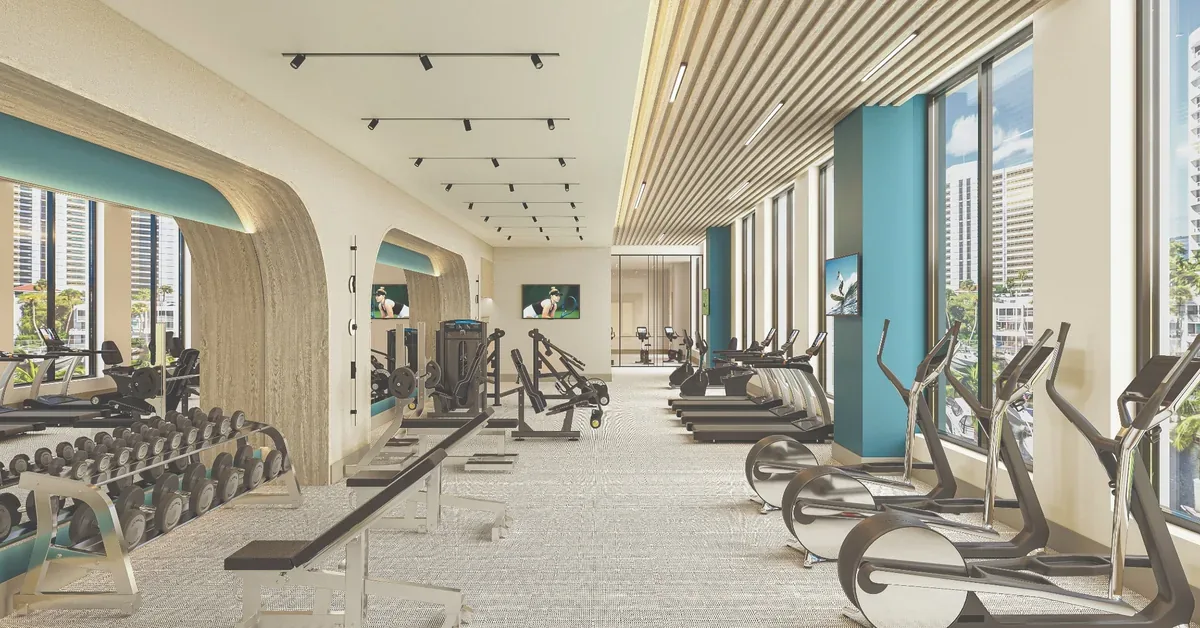
At The Harbor Club, that operating layer is central to the concept. The first phase includes Technogym fitness equipment, a private training room, a flexible fitness space, treatment rooms, hot and cold plunge pools, sauna and steam. A concierge team can help arrange training and treatment services, while programming can evolve around resident interests.
The Better Question Is Whether Wellness Is Easy to Use
The modern wellness consumer is increasingly looking for choice, convenience, customization, privacy and access, according to GWI. That helps explain why the next generation of residential wellness is less about prescribing one ideal routine and more about making several kinds of routines easier to maintain.
A resident might want strength training one morning and recovery the next. Another might prefer yoga, Pilates or a private treatment before an evening out. At Sarasota Bay, the amenity and service program is designed to support those different patterns instead of asking every resident to use the same version of wellness.
The service component is what changes the equation. Rather than leaving residents to coordinate every appointment or activity themselves, the residential team can help connect them with trainers, treatments and programming. The spaces remain important, but their usefulness increasingly depends on what happens inside them.
Wellness Does Not Stop at the Fitness Center
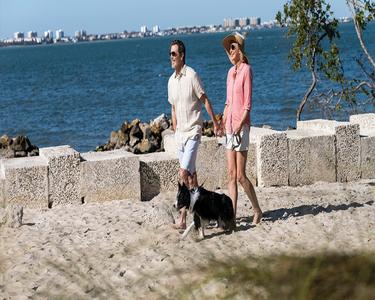
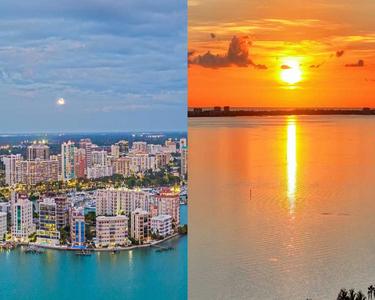
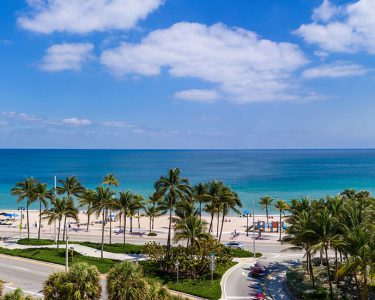
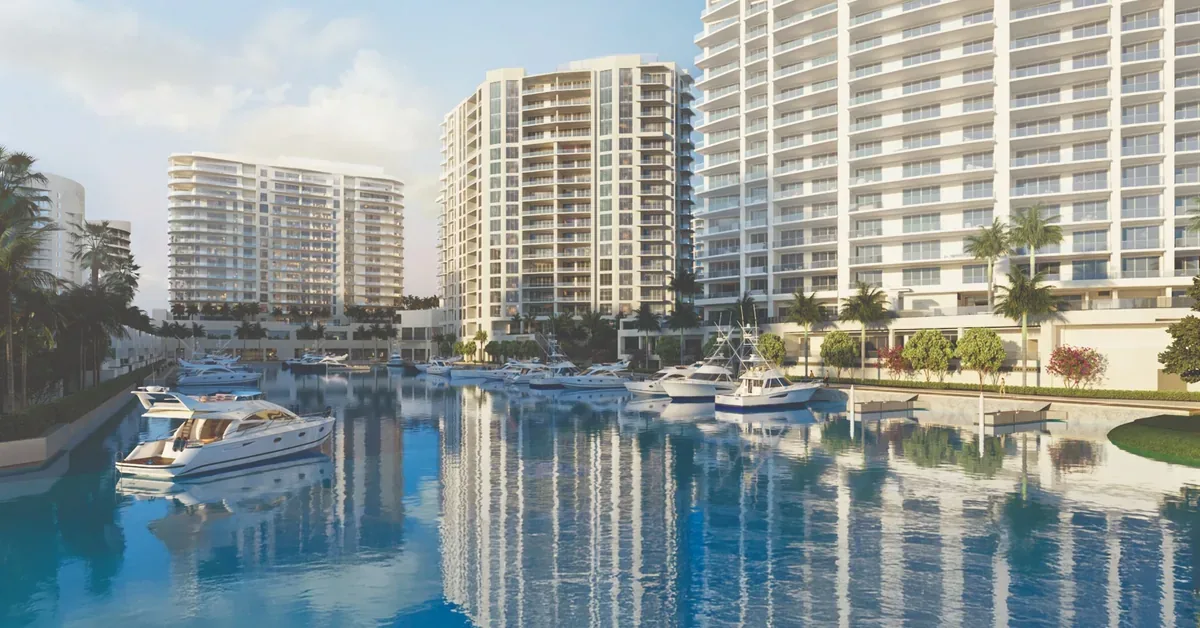
The broader wellness-real-estate conversation also places greater emphasis on movement outdoors, access to nature and the ability to make healthier choices without adding more friction to the day. In a waterfront setting, that can make the surrounding environment part of the wellness program.
At Sarasota Bay, residents will have access to bicycles, e-bikes and paddleboards through The Harbor Club’s waterfront offering. The concierge and activities teams can help prepare equipment, provide life jackets for time on the water and handle storage afterward. The value is not simply that the equipment exists. It is that a spontaneous bike ride or paddle requires less preparation.
That ease matters because wellness habits often succeed or fail on small barriers. Removing the need to buy, store, maintain and organize recreational equipment gives residents another way to fit movement into the day without turning it into a project.
Service Can Become Part of the Wellness Infrastructure
Luxury residential service has traditionally been associated with convenience: arrivals, reservations, housekeeping and the details that make ownership easier. Wellness adds another dimension by using that same service structure to support how residents prefer to move, recover and spend their time.
Amy Kolk, who is leading implementation of Ritz-Carlton branded residential services at the property, describes the goal as “putting the club in the club.” During owner onboarding, the team learns preferences that can shape service over time, from dietary considerations to personal interests. That knowledge creates room for a more individualized approach to wellness rather than a fixed schedule of activities.
This is where the idea of anticipatory service becomes relevant. The Ritz-Carlton residential service model is designed around understanding residents well enough to make certain experiences easier before they have to manage every detail themselves. In a wellness context, that can mean helping organize a training session, treatment, outing or resident program around the way someone actually lives.
The New Luxury May Be What Fits Into the Week
The Global Wellness Institute’s research makes a useful distinction between wellness as a collection of “hot” amenities and wellness as something embedded in a residential environment. The latter is less photogenic, but potentially more meaningful: a place where movement, recovery, outdoor time and social connection are easier to work into the week.
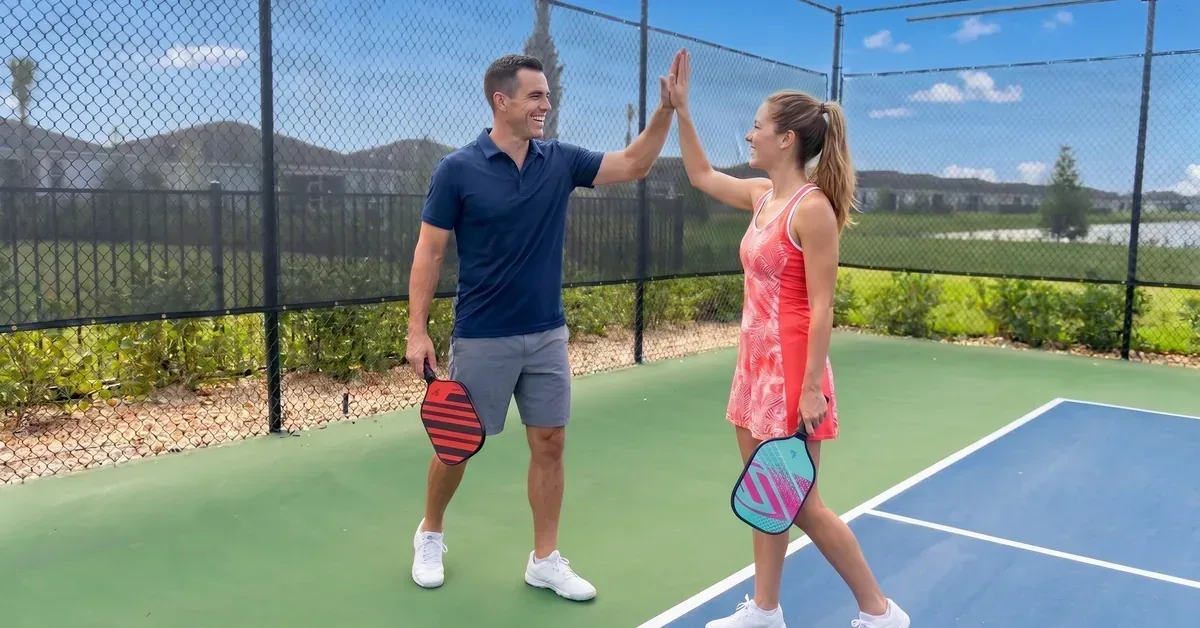
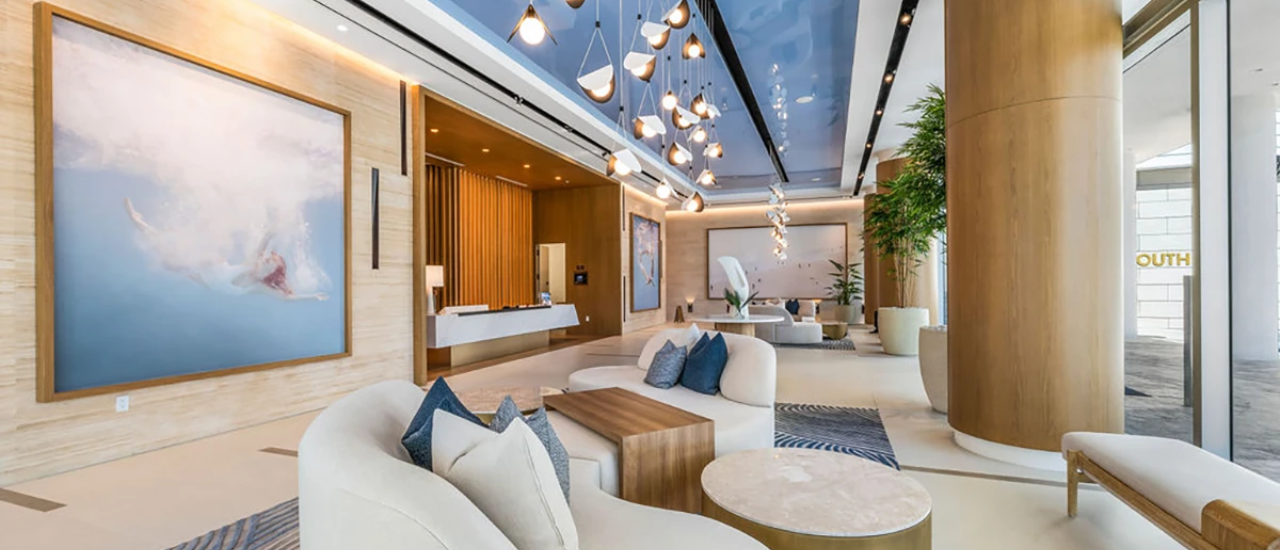
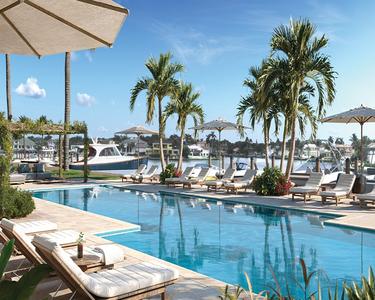
The Ritz-Carlton Residences, Sarasota Bay provides one high-end example of how that idea can take shape. The Harbor Club combines dedicated wellness spaces with waterfront recreation, programming and personalized service. Future plans expand the concept with a second fitness center, an indoor pickleball court, additional gathering spaces and an elevated amenity terrace overlooking the marina.
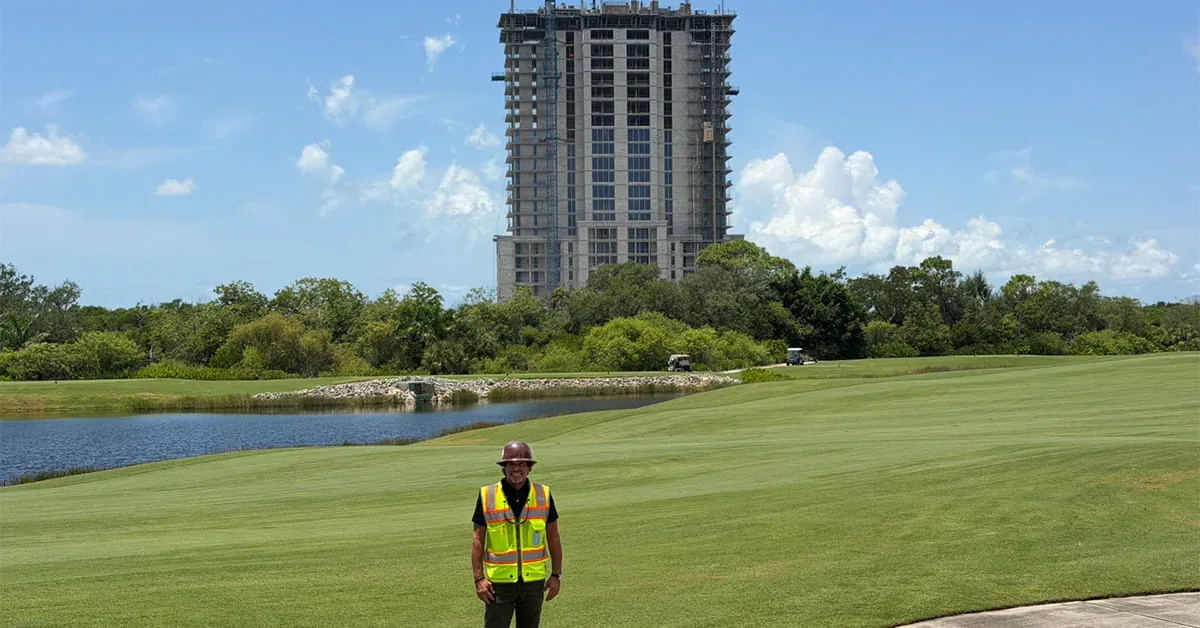
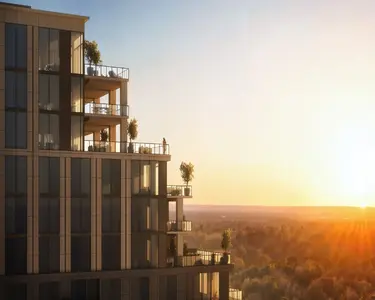
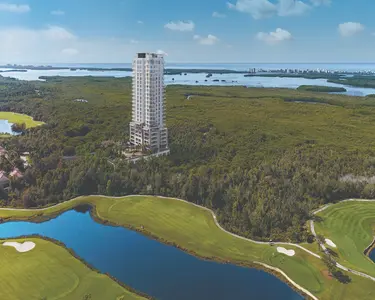
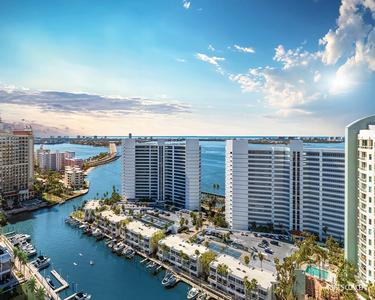
The property includes 78 waterfront condominium residences and penthouses within walking distance of downtown Sarasota. The current project update reports that it is more than 65% sold, with a selection of residences available from $4.1 million as the building prepares to welcome residents. Prospective owners can explore the residences and current availability directly with the project team.
The larger story is not that every home needs a cold plunge, treatment room or fitness studio. It is that wellness is increasingly being considered as part of residential life itself. For buyers, the question may be shifting from “What wellness amenities are included?” to “How easily could I actually use them?”
For current property details, services and policies, the Ritz-Carlton Residences, Sarasota Bay FAQ provides additional information.
Frequently Asked Questions
What is wellness real estate?
The Global Wellness Institute defines wellness real estate as built environments that are proactively designed, built and operated to support the holistic health of occupants, visitors and the community.
How is residential wellness changing?
The trend is moving beyond stand-alone fitness and spa amenities toward a broader model that includes programming, operations, personalization, outdoor activity, social connection and everyday convenience.
What wellness features are planned at The Harbor Club?
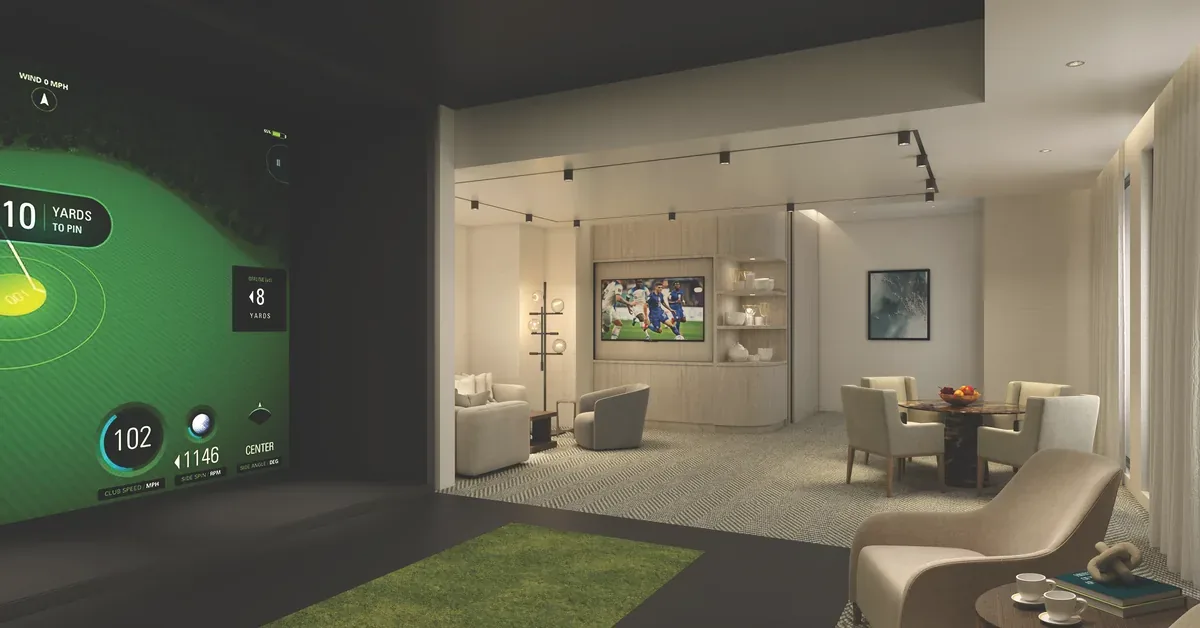
The first phase includes Technogym fitness equipment, a private training room, flexible fitness space, private treatment rooms, hot and cold plunge pools, sauna and steam, along with bicycles, e-bikes, paddleboards and a Full Swing golf simulator.
How does service fit into the wellness offering?
A concierge team and activities director can help residents arrange training, treatments, recreation and programming, allowing the wellness offering to evolve around individual interests rather than a single fixed routine.
What is planned for the next phase of The Harbor Club?
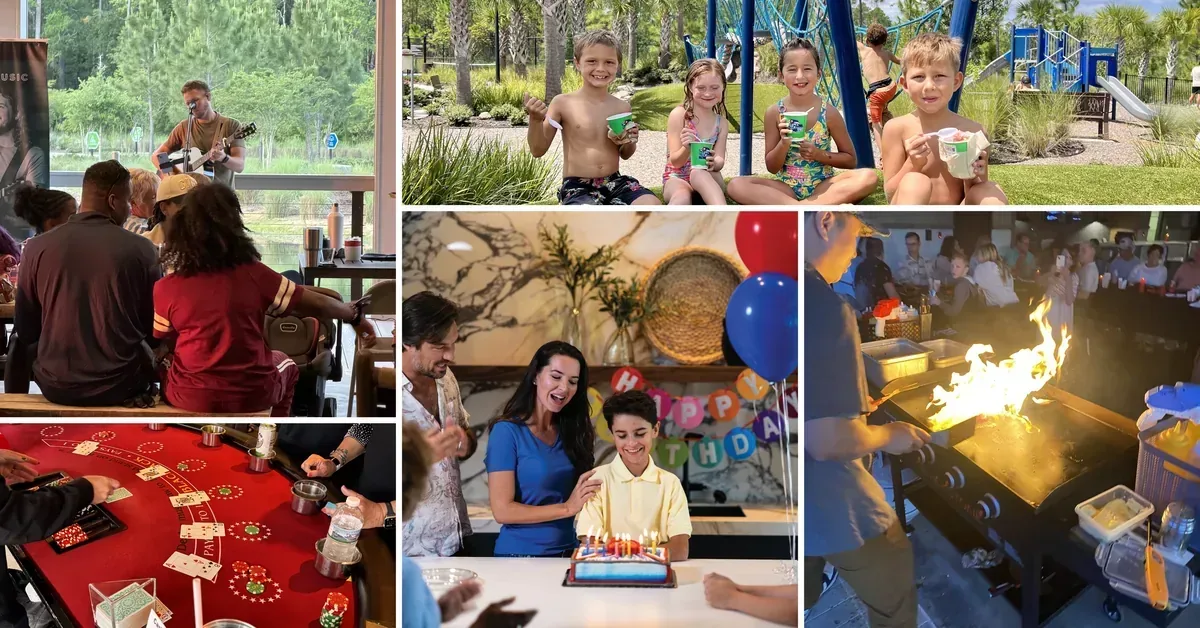
Current plans include a second fitness center, the Sunrise to Sundae Bar, a Sports Lounge with billiards and gaming tables, a full-size indoor pickleball court, a Kids’ Club and an elevated amenity terrace overlooking the marina.

Destinations

Things To Do


Exclusives

Lifestyle Publication