How Glynlea Reflects the New Direction of Florida Golf in 2026
April 22, 2026 | Read Time: 6 minutes
Golf in 2026 is being shaped less by one dramatic change than by several developments working together. Equipment is offering greater forgiveness without giving up control, practice is becoming more precise and data-informed, and course architecture is placing more emphasis on strategy and playability than difficulty for its own sake.
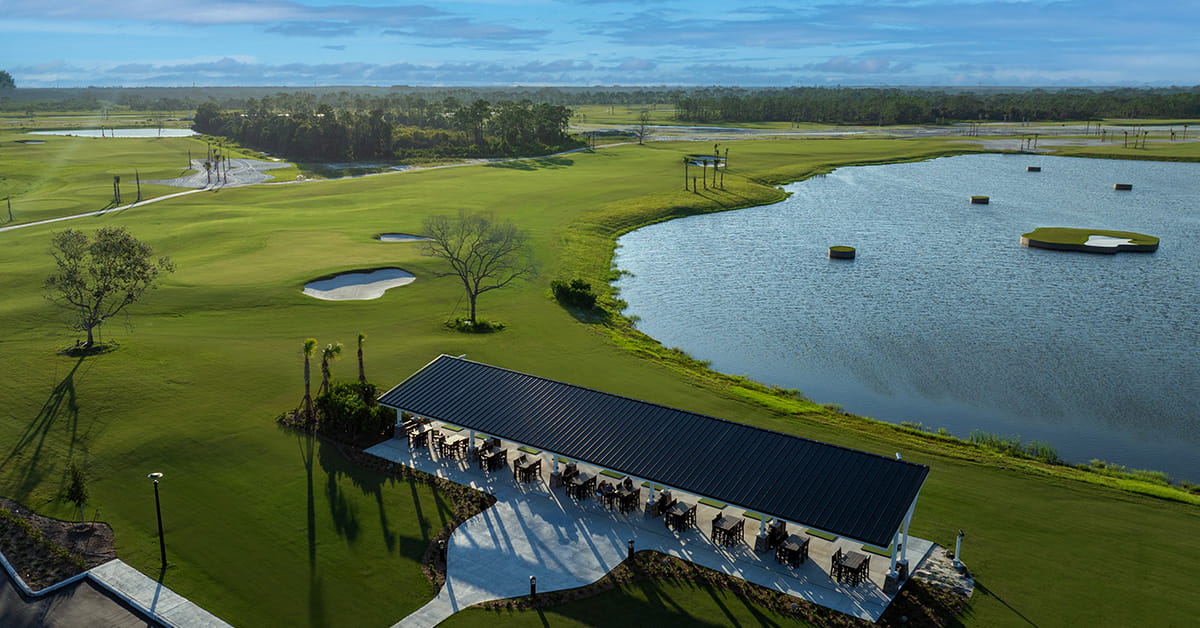
In Florida, those shifts are already visible in places where players can experience them within a single setting. At Glynlea Country Club in Port St. Lucie, technology, practice and course design are becoming connected parts of the golf experience rather than separate elements of the game.
That integration changes how golf can fit into everyday life. Players are able to move more naturally between focused practice, time on the course and the social side of the club, creating an environment built around continued participation rather than an occasional round.

Golf Equipment Trends are Advancing With Purpose in 2026
In 2026, golf is evolving through smarter equipment, modern practice technology, and more playable course design.
According to GOLF.com, the latest generation of drivers reflects a more disciplined approach to performance. Manufacturers are refining weight distribution, face technology, and adjustability to stabilize ball flight and tighten dispersion. Gains are incremental but meaningful. The emphasis has moved away from raw distance and toward consistency across a full round.
Players are seeing the impact in fewer mishits that turn into penalties and more drives that remain in play. That shift changes how the game is experienced. Confidence off the tee carries forward into the rest of the round.
Irons and wedges are following a similar path. Set composition, sole design, and forgiveness profiles are being calibrated to suit a broader range of players. The equipment is working harder to support the player rather than expose limitations.
Modern Golf Practice Technology Is Changing the Game
Advances in equipment are matched by changes in how players practice. Data is now part of the process. Feedback is immediate. Sessions are more structured without feeling rigid.
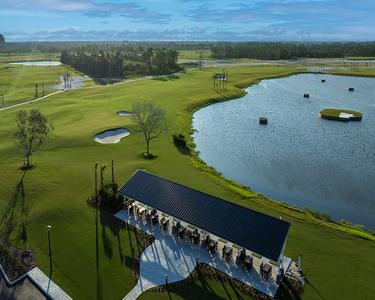
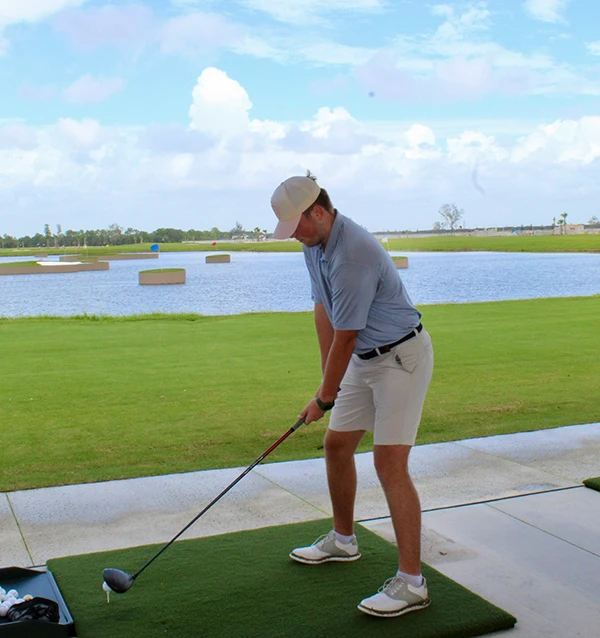
At Glynlea Country Club in Port St. Lucie, Florida, that shift is already in place. With a cutting-edge Aquatic Toptracer Driving Range, each shot produces real-time metrics, including carry distance, ball speed, and launch conditions. Floating target greens introduce a level of visual feedback that traditional ranges cannot replicate. Players can move between focused training and competitive formats without leaving the same environment.
This type of range is built around awareness. Players understand their tendencies more quickly and can make adjustments with intention. The experience also extends beyond individual practice, supporting group play, informal competition, and social interaction.
Golf Course Design Trends Are Responding to the Modern Player
In Florida, where year-round play demands variety and repeatability, that shift is especially important. As equipment and practice evolve, course architecture is adjusting accordingly. The emphasis is no longer on creating difficulty through forced carries or narrow corridors. The focus is on shaping decisions, angles, and shot options.
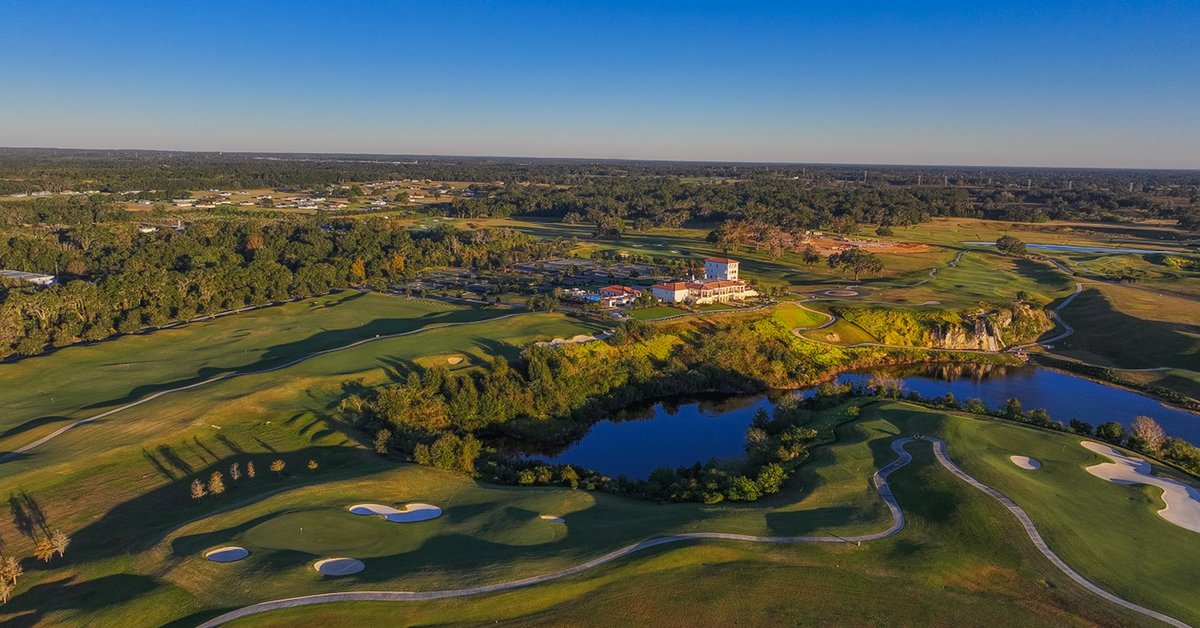
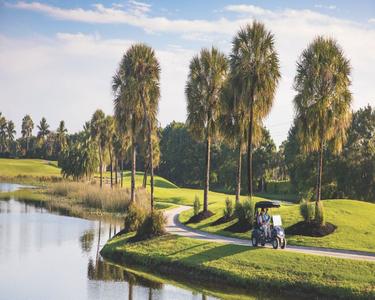
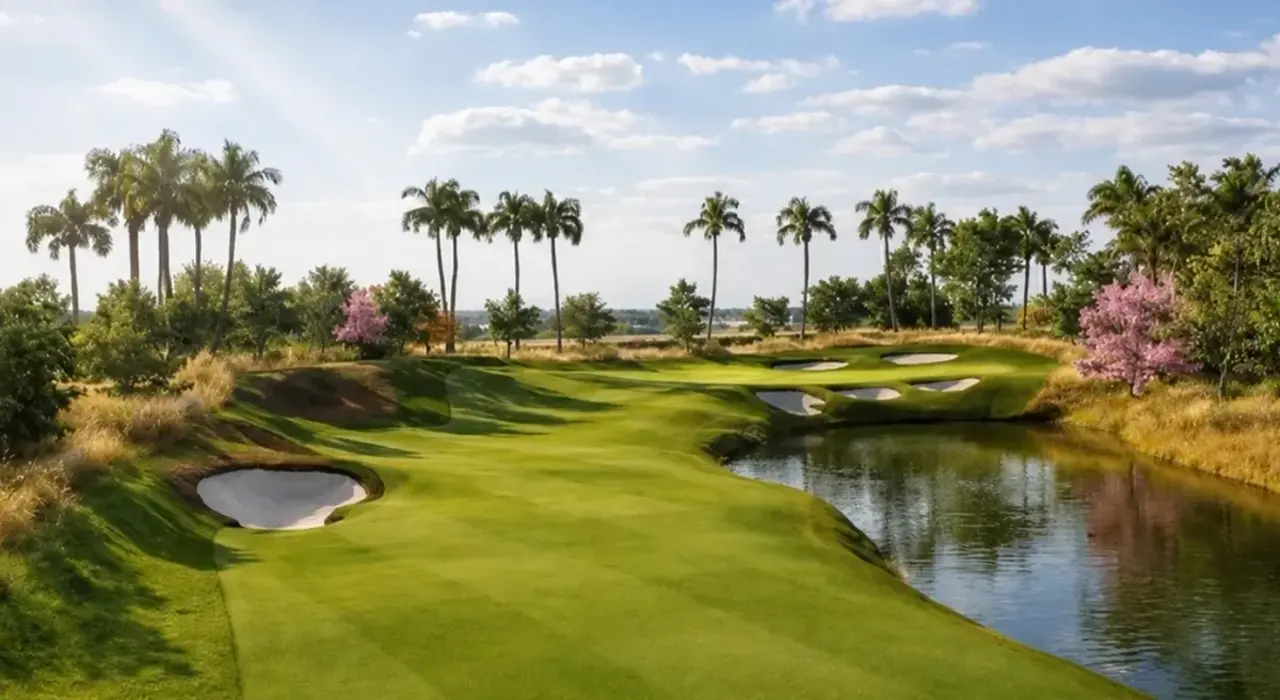
The Jim Furyk–designed course at Glynlea follows that approach. The layout balances challenge with playability, allowing stronger players to take on risk while giving everyday golfers a clear path through each hole. Furyk was direct in his intent. The goal was to create “a fun golf course… where all levels of golfers could have fun, compete, and enjoy the round.”
That philosophy shows up in the details. Tee placements are designed to improve angles into the fairway rather than simply reduce distance. Greens vary in scale and openness depending on the demands of the hole. Around them, short grass collection areas allow players to choose how they recover, whether that’s a wedge, a bump-and-run, or even a putter.
Bunkers are used deliberately. As Furyk describes it, they are not intended to punish as much as they are to guide. They frame the golf course and signal where the player should be thinking, shaping decisions from the tee through the approach.
The course is also designed to be played repeatedly. It reveals itself over time, rewarding familiarity and encouraging players to return to it regularly, not just occasionally.

Where These Changes Are Taking Shape in Florida
What defines golf in 2026 is the alignment between equipment, training, and environment. At Glynlea Country Club, that alignment is visible. The course is active. Practice areas are used throughout the day. The Pro Shop supports both performance needs and everyday play, offering equipment, fittings, and essentials that connect directly to how the game is being played now.
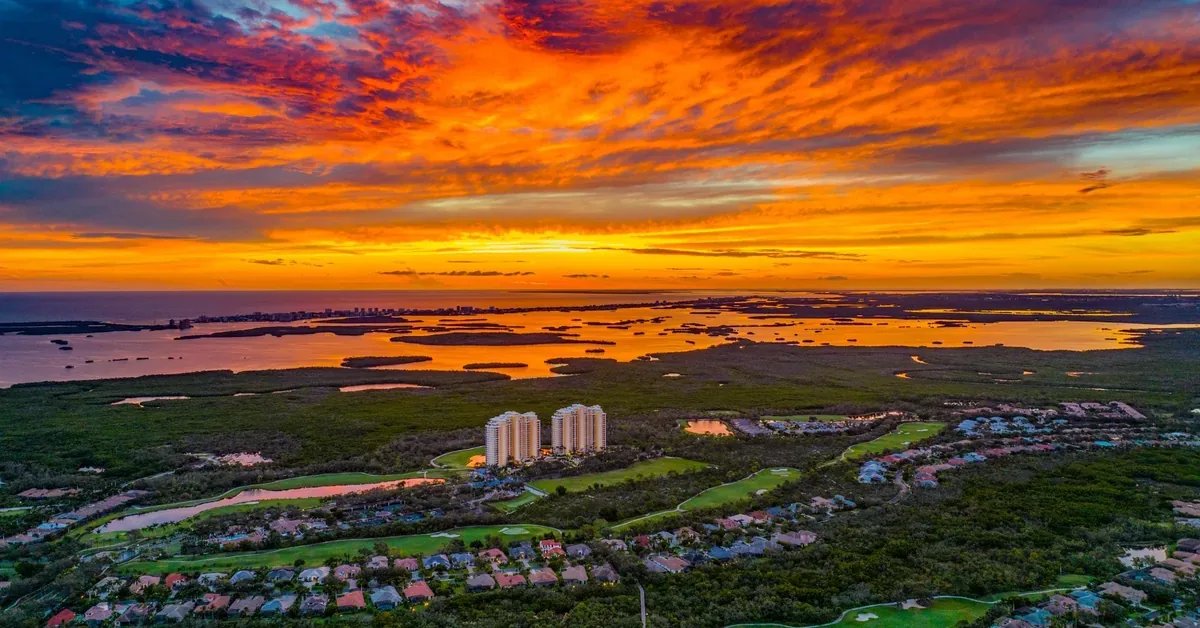
This is not a segmented experience where practice, play, and social time occur in isolation. The components are integrated. Players move between them naturally, reinforcing consistency and repeat engagement. The community itself reflects that structure. With ten acres of club amenities planned, activity is ongoing. Golf is part of a broader pattern of use that includes time on the course, time on the range, and time within shared spaces.
“The modern club experience is evolving, especially in Florida, where year-round play demands both performance and engagement. It’s about creating an environment where members want to be every day, not just for a round of golf,” says M.G. Orender, President, Hampton Golf.
Golf Designed to Become Part of the Routine
As the game continues to evolve, expectations around living close to golf are changing with it. Access, frequency and ease of use are becoming increasingly important, giving players more opportunities to make practice, play and time at the club part of an ordinary week.
At Glynlea, that golf experience is already established and active. Homes are available now, with new-construction opportunities ranging from the $400s to over $1 million, allowing buyers to enter the community while its broader club environment continues to take shape.
The course and amenities are centered around residents, helping keep golf, practice and shared club spaces connected within the same community experience.
See Glynlea Country Club in Person
Designer model homes from Perry Homes and Lennar are open daily for buyers who want a closer look at the residential side of Glynlea.
Visitors can also explore the club and golf experience at 10942 NW Furyk Drive, Port St. Lucie, FL 34987. Additional information about homes, golf and the community is available at GlynleaCountryClub.com.

Destinations

Things To Do



Exclusives

Lifestyle Publication