How Florida’s Private Clubs Are Changing the Meaning of Club Life
November 4, 2026 | Read Time: 10 minutes
For generations, Florida’s private clubs have been defined by their signature attractions. Championship golf courses, oceanfront beach clubs and elegant clubhouses have long drawn members to communities where recreation and social traditions are part of everyday life. Those features remain important, but the experience of private-club membership is becoming considerably more varied.
Across the state, established country clubs are expanding the ways members use their facilities, while emerging residential communities are incorporating a broader range of recreational and social opportunities into their plans from the beginning. Golf may remain the central attraction, but the experience increasingly extends to wellness, racquet sports, waterfront recreation, dining and the relationships that develop through regular participation in club life.
What makes this evolution particularly interesting is that Florida’s private clubs are not all pursuing the same model. Their approaches reflect differences in geography, membership culture, residential setting and the priorities of the people who call these communities home.
Golf Remains at the Heart of the Experience
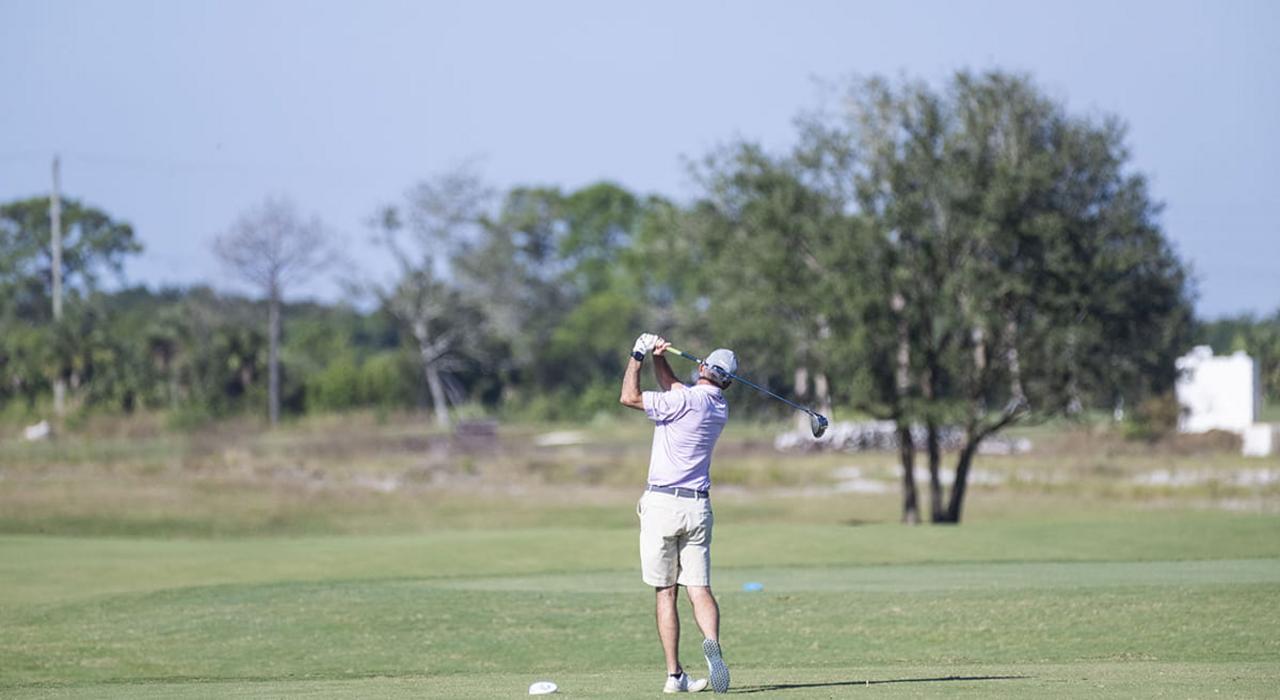
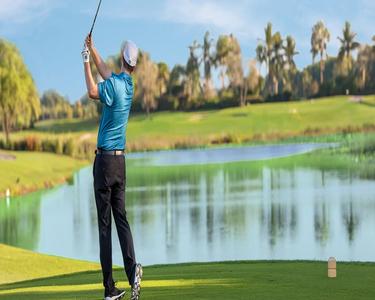
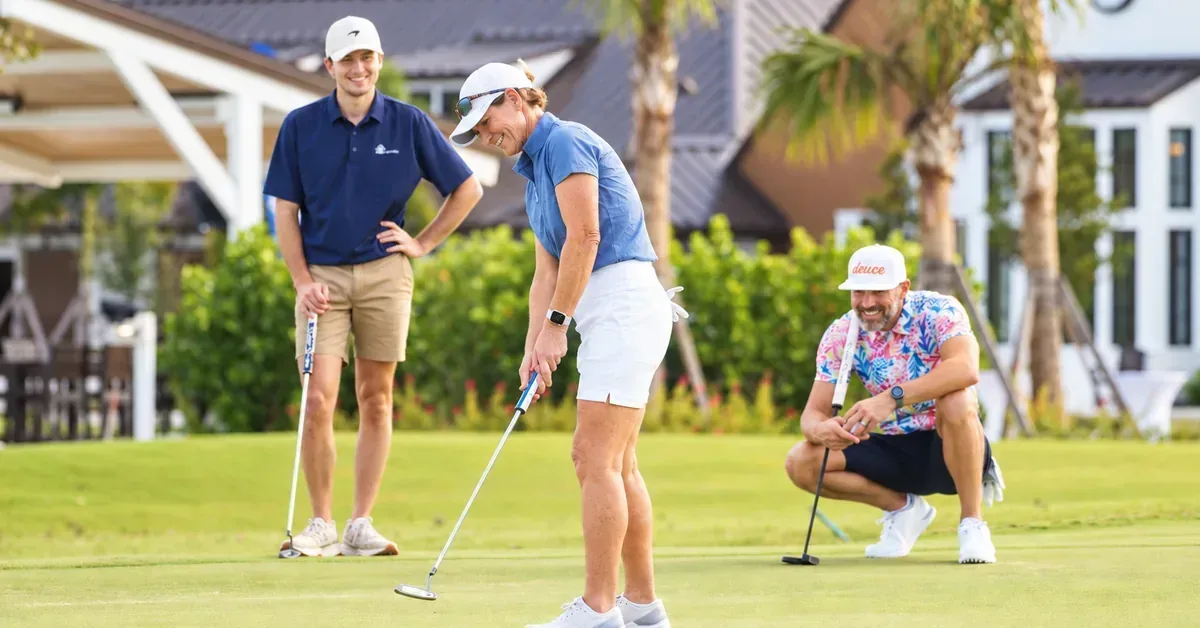
Despite the expansion of club amenities, golf continues to define the identity of many of Florida’s most established private communities. The difference lies in how individual clubs preserve the traditions of the game while accommodating a broader range of interests.
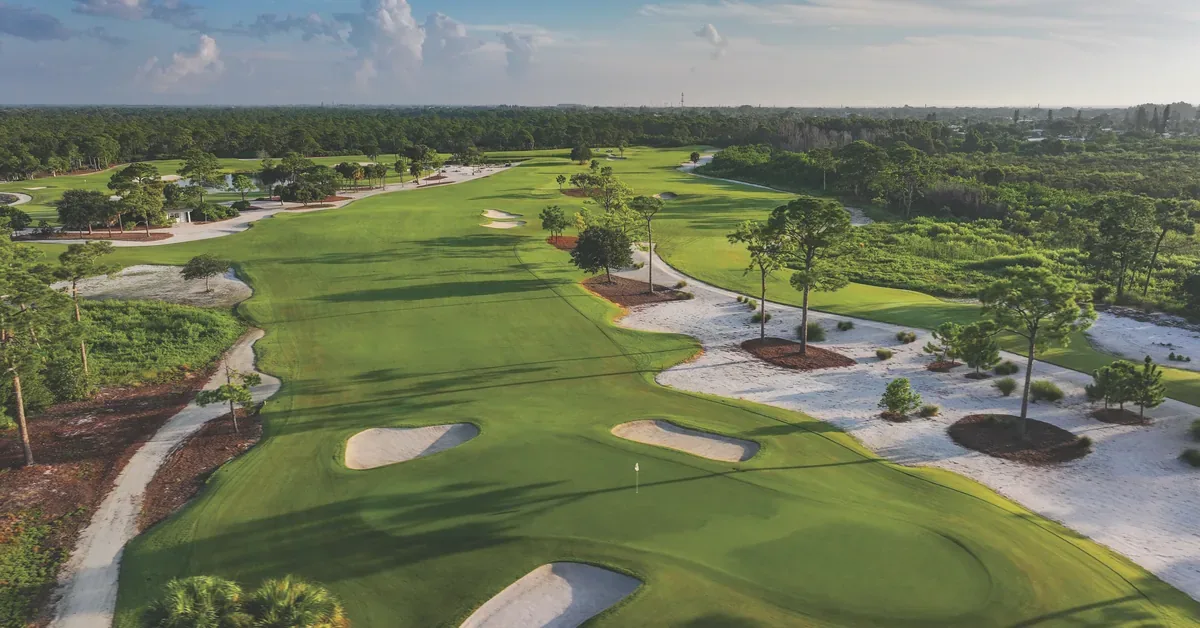
At Hobe Sound Golf Club, the experience remains deliberately focused on golf. The member-owned club features a Tom Fazio II-renovated course, a limited membership and a no-tee-time approach that allows members to enjoy the game with a degree of flexibility increasingly difficult to find. Its appeal rests in the simplicity of the experience, where access to the course and a shared appreciation for golf remain central to the club’s culture.
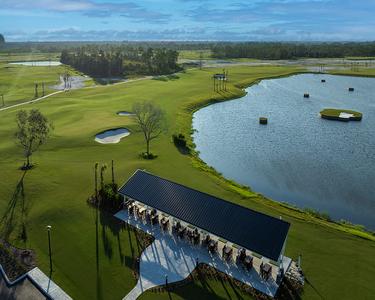
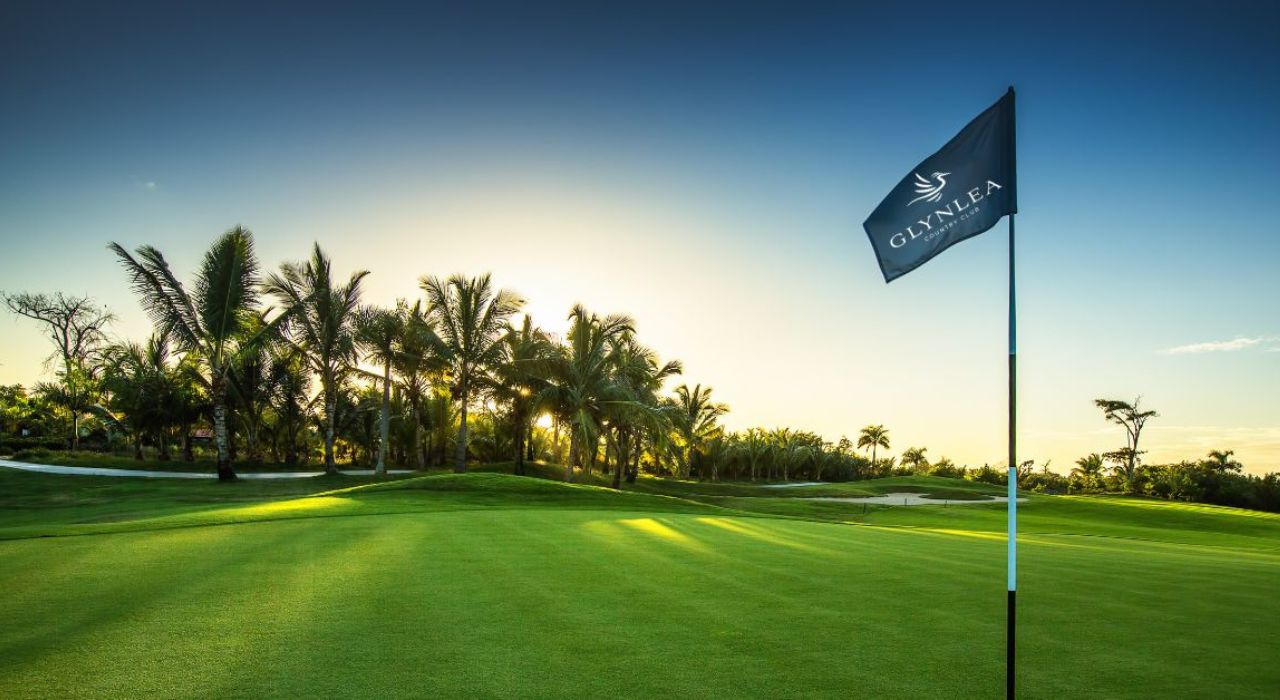
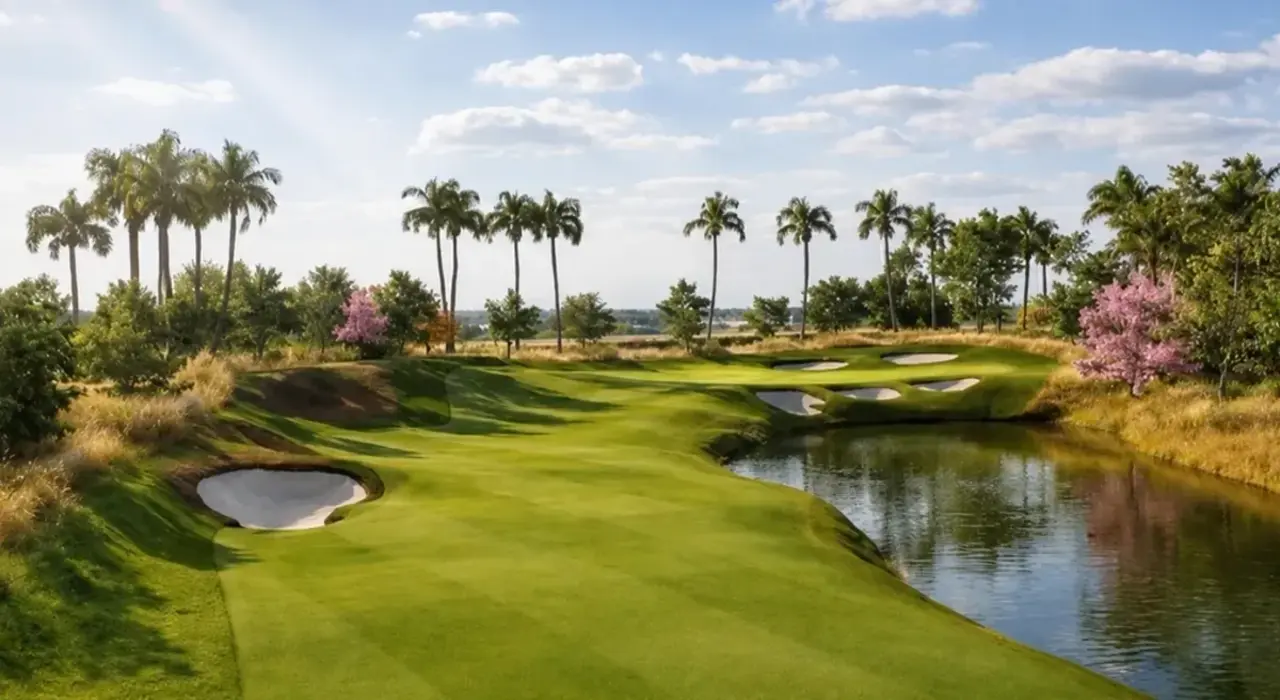
In Port St. Lucie, Glynlea Country Club at Wylder represents a newer interpretation of the golf-centered community. Its Jim Furyk-designed championship course anchors the club experience, while an aquatic Toptracer driving range introduces an interactive approach to practice and social play. The course establishes the community’s identity, but the broader vision for Glynlea includes opportunities for dining, recreation and gathering beyond the traditional golf experience.
BallenIsles Country Club in Palm Beach Gardens offers another perspective. Its three championship golf courses reflect a longstanding commitment to the game, while its extensive sports and lifestyle facilities accommodate members with interests ranging from racquet sports to fitness and social programming.
These approaches demonstrate that golf’s continuing importance does not require every club to deliver the same experience. Some protect an intimate, golf-first culture, while others use the sport as the foundation for a much wider range of activities.
Wellness Is Becoming Part of Everyday Club Life
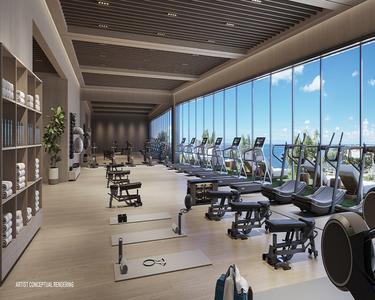
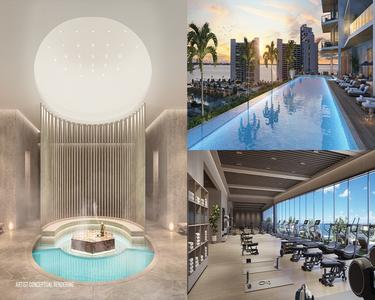
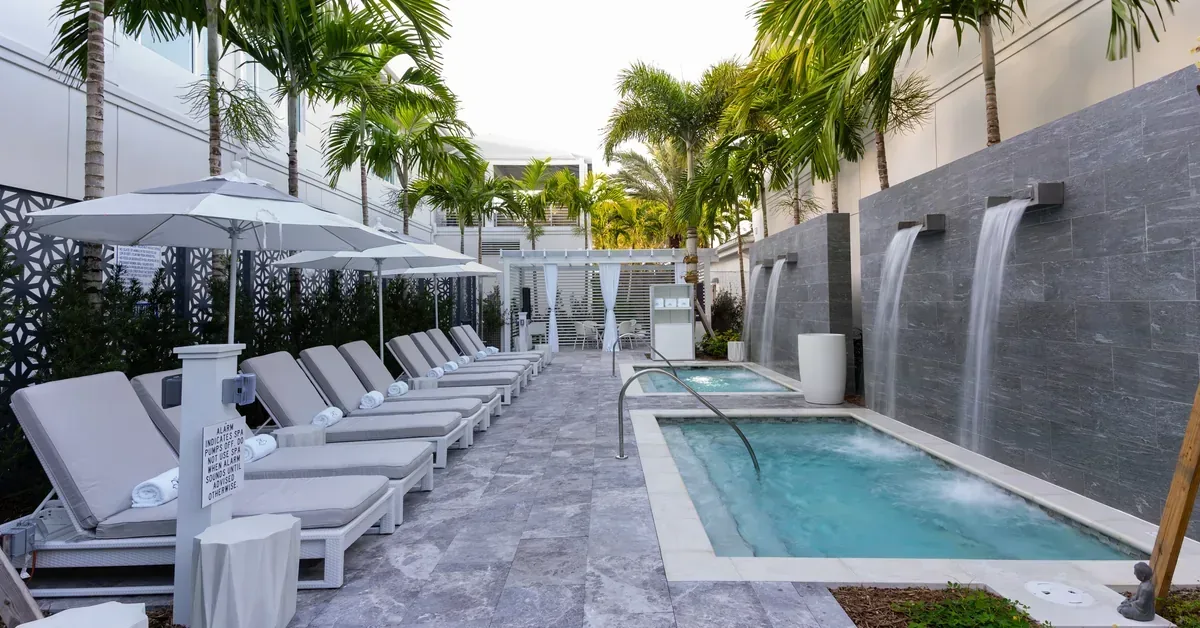
Fitness and wellness facilities have become increasingly important to how members experience their clubs throughout the week. Rather than functioning as secondary amenities, these spaces can provide reasons to visit independently of golf, particularly for households with different recreational interests.
At Boca West Country Club in Boca Raton, the breadth of the club’s facilities supports a particularly varied lifestyle. Within a private residential community of approximately 4,000 homes, members have access to extensive fitness, aquatics, racquet sports, dining and social programming in addition to championship golf. The scale of the club allows different interests to coexist, creating opportunities for members to establish routines around activities that extend well beyond the course.
That diversity is important in a large residential club, where one household may organize its week around tennis and fitness while another is drawn to golf, dining or an active social calendar. The range of facilities allows members to participate in the community in ways that reflect their individual interests.
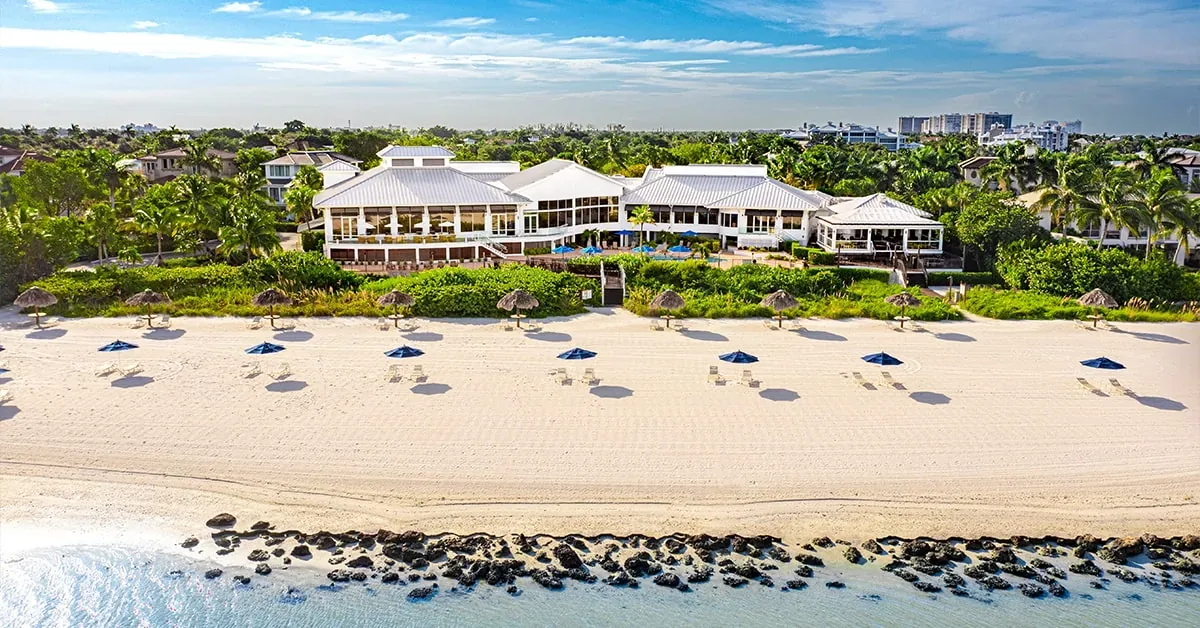
On Marco Island, Hideaway Beach Club approaches the same evolution from a more intimate coastal setting. Its private beach and nine-hole golf course remain important to its identity, complemented by a recently completed 34,000-square-foot Sports & Wellness Center that brings additional fitness, wellness and recreational opportunities into the member experience.
The expansion of wellness programming reflects a broader change in expectations. Members increasingly look to their clubs not only for recreation, but also for activities that can become a regular part of their daily lives.
Florida’s Geography Creates a Different Kind of Club Experience
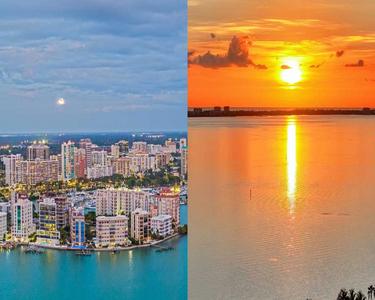
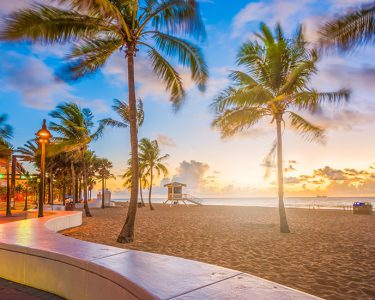
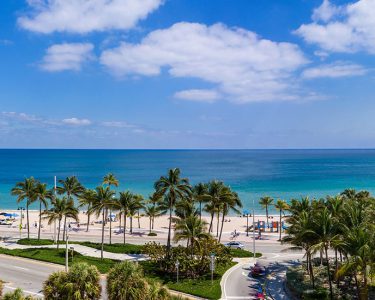
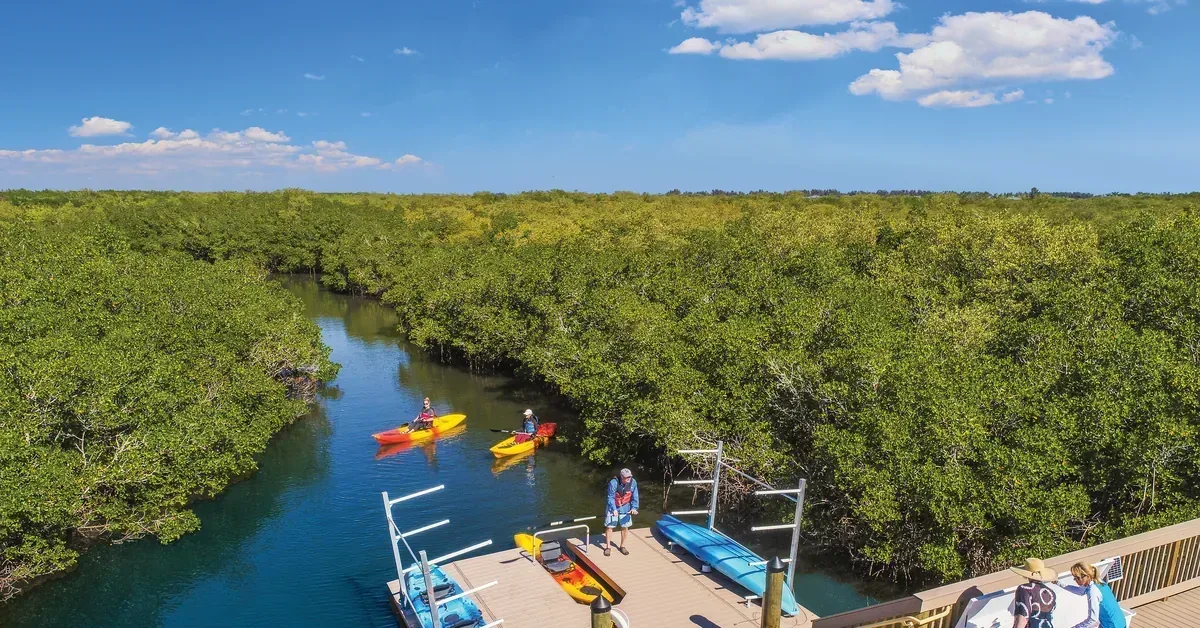
Florida’s coastal landscape gives certain private communities a recreational character that extends beyond anything a clubhouse or sports complex can provide. Ocean frontage, protected waterways, marinas and natural preserves influence how members spend their time and help distinguish one club from another.
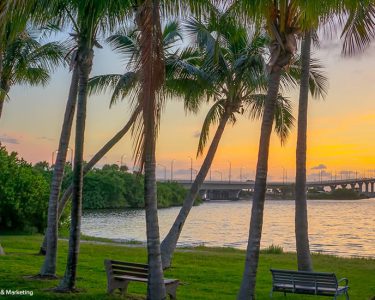
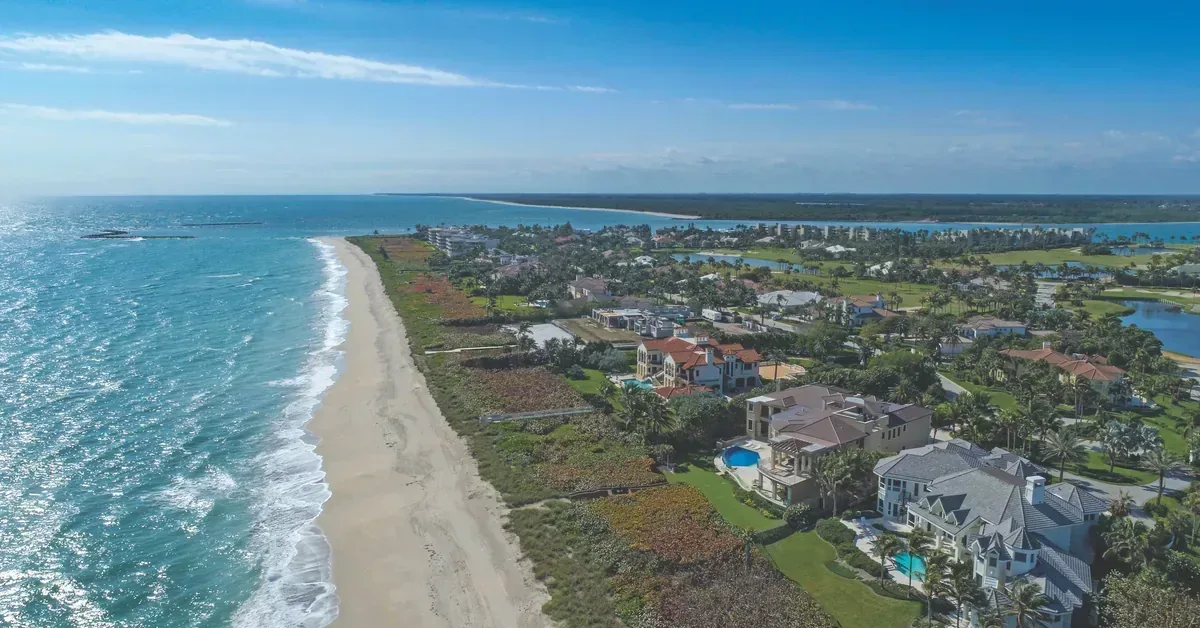
Near Vero Beach, Orchid Island Golf & Beach Club occupies a setting between the Atlantic Ocean and the Indian River Lagoon. The combination of championship golf, private beach access and the surrounding coastal environment allows members to move between different recreational experiences within the same community.
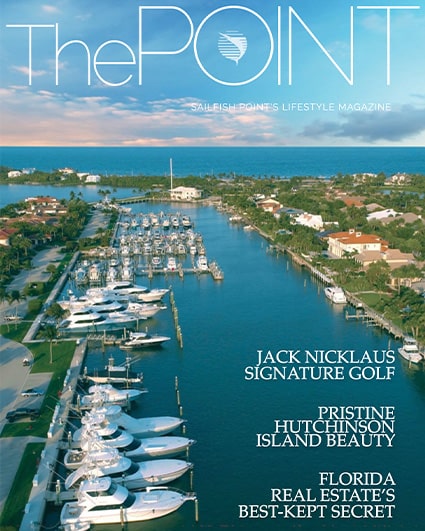
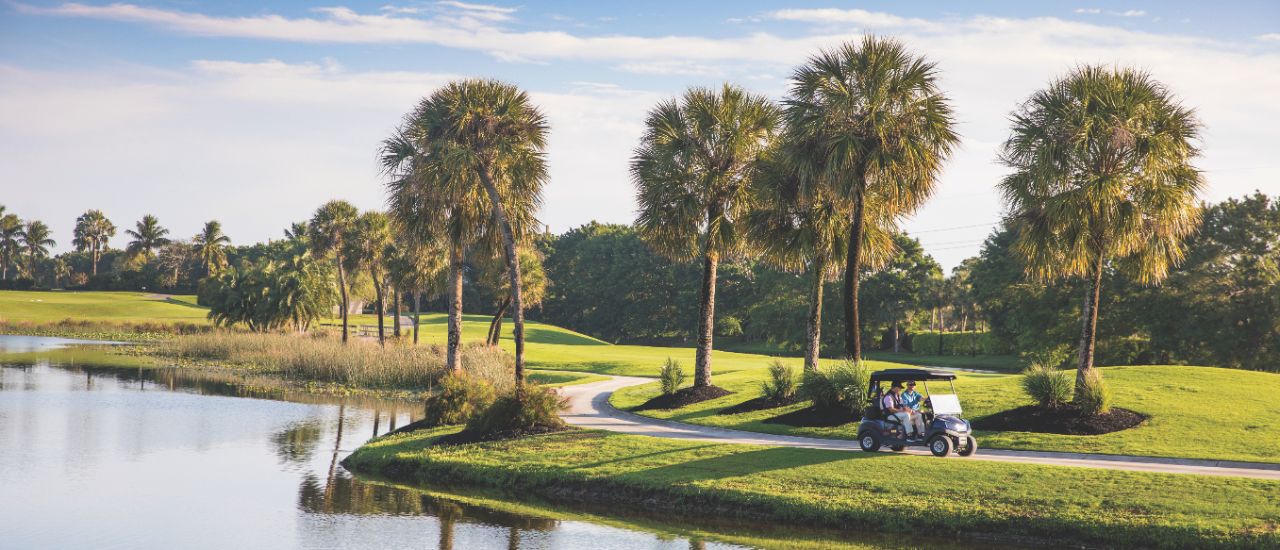
Farther south, Sailfish Point occupies an extraordinary position at the southern tip of Hutchinson Island in Stuart, where the Atlantic Ocean, Indian River Lagoon and St. Lucie Inlet converge. Its Jack Nicklaus Signature golf course is complemented by private marina facilities, Atlantic Ocean beach access and immediate access to some of the region’s most desirable boating and fishing waters.
At Sailfish Point, the relationship between land and water influences the entire residential experience. Members can enjoy championship golf while maintaining a close connection to boating, fishing and the Atlantic coastline. The community’s distinctive geography makes these activities part of the same private-club lifestyle rather than separate recreational destinations.
Along Florida’s Paradise Coast, The Island at West Bay Club in Estero connects a luxury residential setting with the broader amenities of West Bay Club, including golf, private beach access, river recreation, racquet sports and dining. The combination illustrates how a residential community can draw on both its natural environment and an established club infrastructure.
The Social Life That Connects It All
While golf courses, wellness centers and waterfront facilities often receive the greatest attention, the social character of a private club develops through regular interactions among its members.
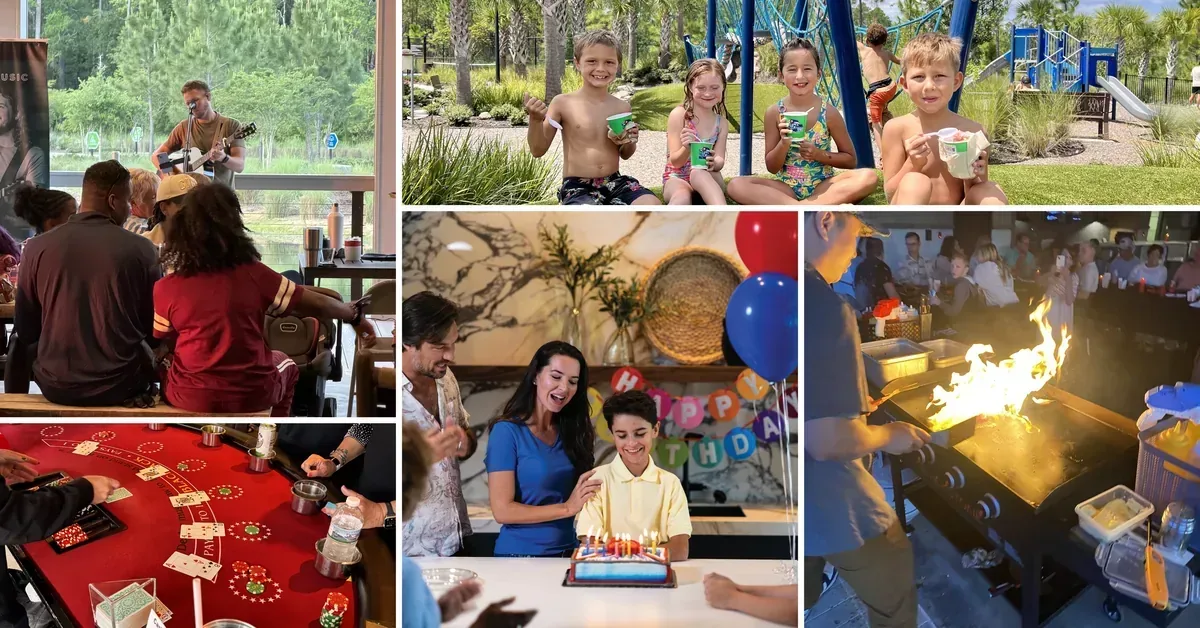
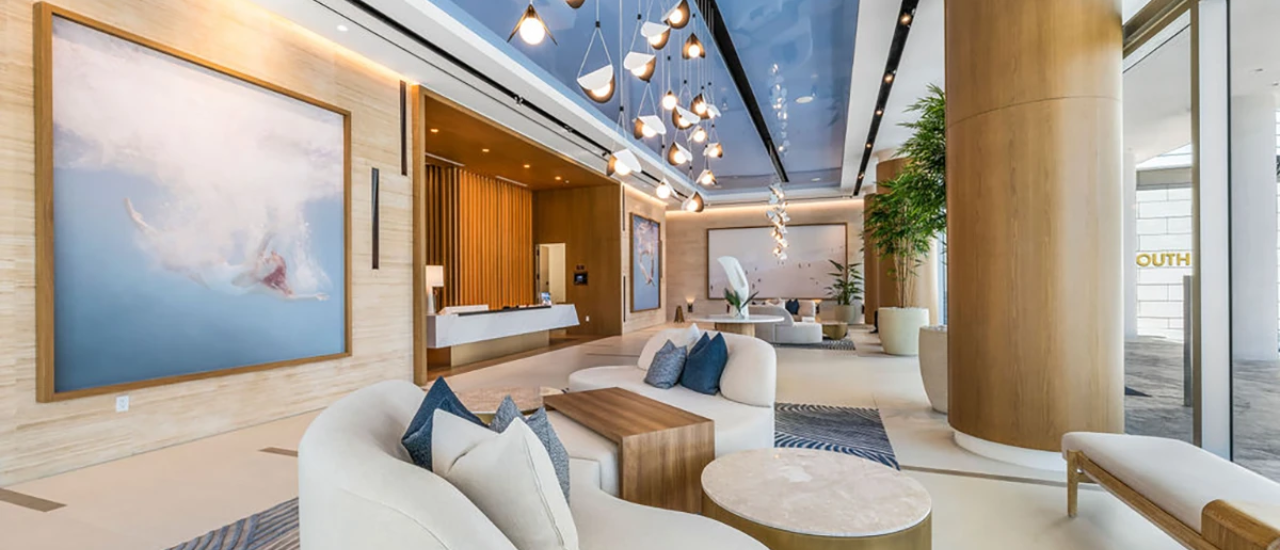
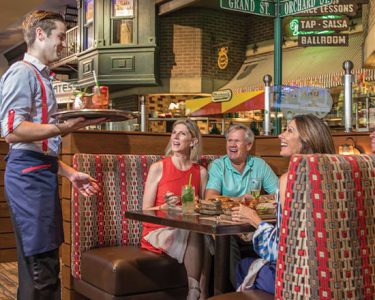
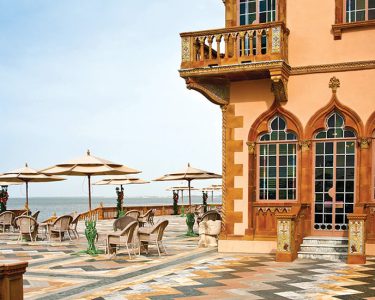
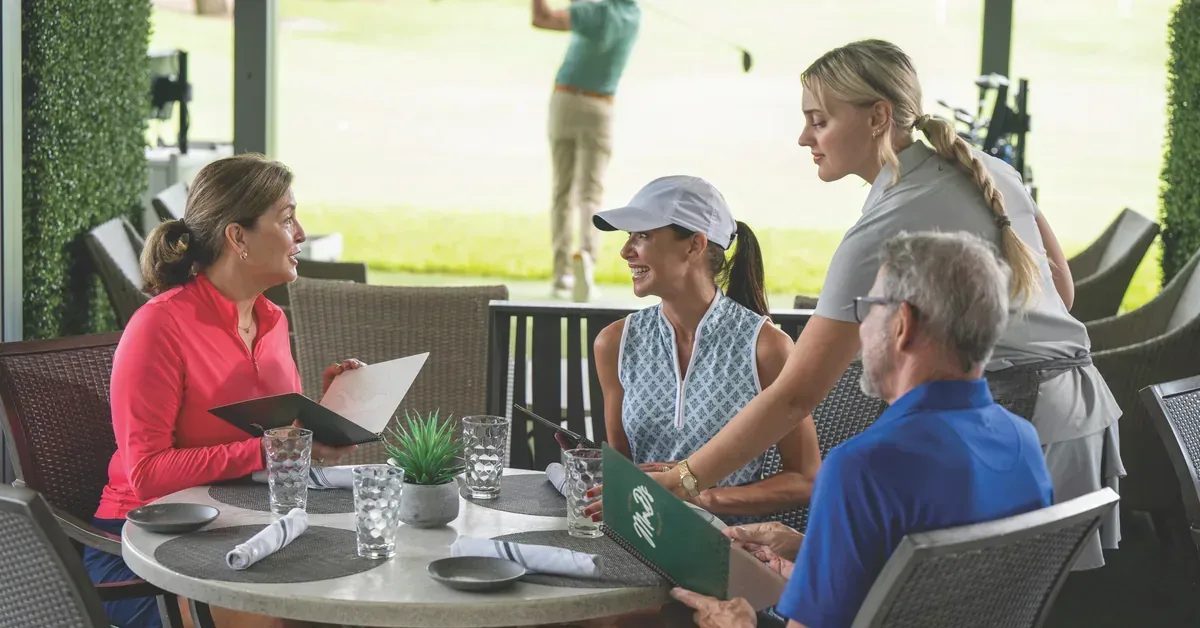
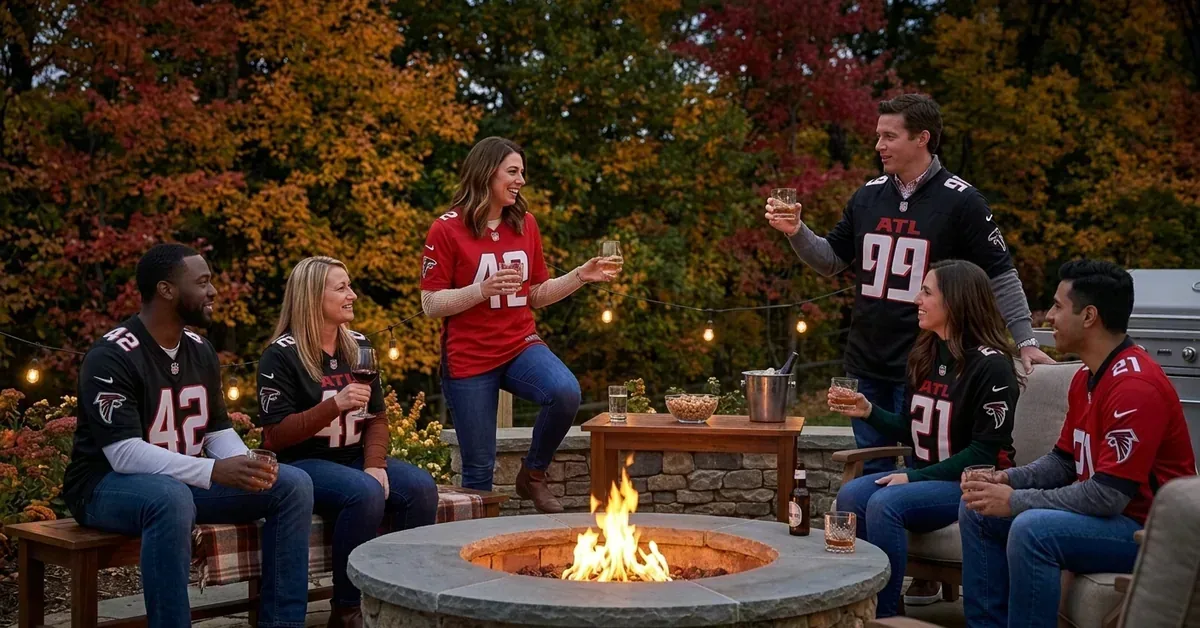
A golf round may conclude with lunch, a fitness class may become a standing weekly gathering, or an evening at the clubhouse may bring together neighbors who share interests beyond their residential address. Dining rooms, outdoor terraces, lounges and informal gathering spaces create opportunities for those relationships to develop over time.
At established communities such as Boca West, BallenIsles and Hideaway Beach Club, dining and social programming are important components of the overall member experience. These facilities serve different purposes throughout the day, accommodating everything from casual meals following recreation to organized events and celebrations.
The significance of those spaces becomes especially apparent in residential clubs, where many members see one another regularly. Shared activities and familiar gathering places can help newcomers develop relationships and give longtime residents opportunities to maintain them. For many members, that sense of familiarity becomes one of the enduring benefits of private-club living.
New Communities Are Planning for a Broader Lifestyle
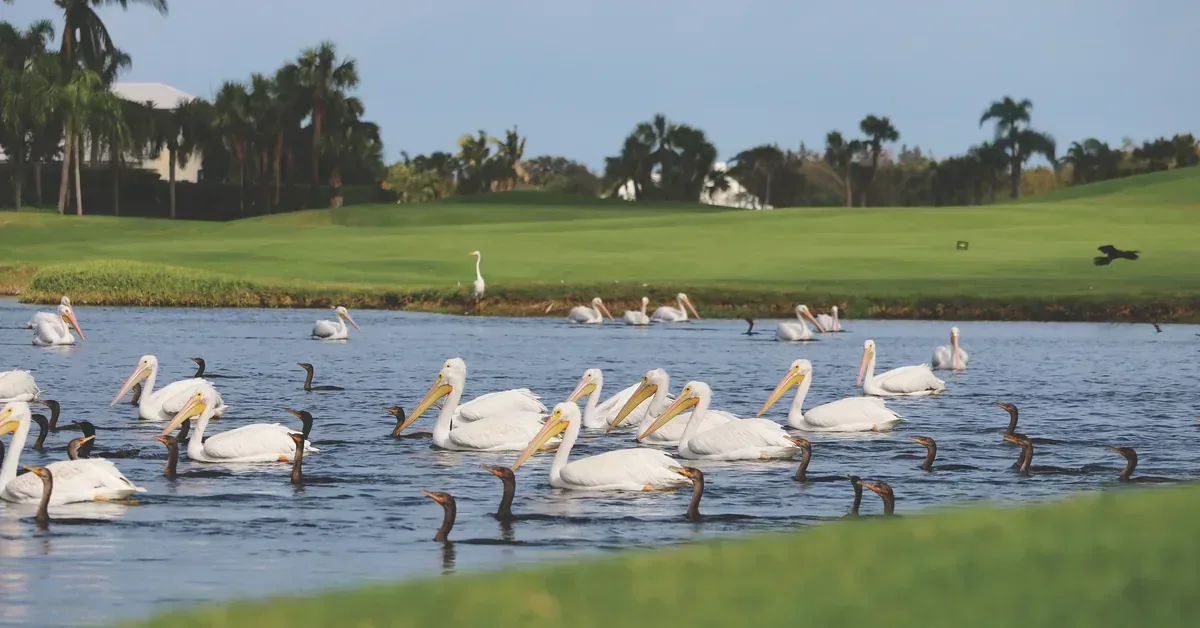
Established clubs have often expanded their facilities and programming in response to changing member interests. New residential communities have the advantage of considering those expectations at the earliest stages of development.
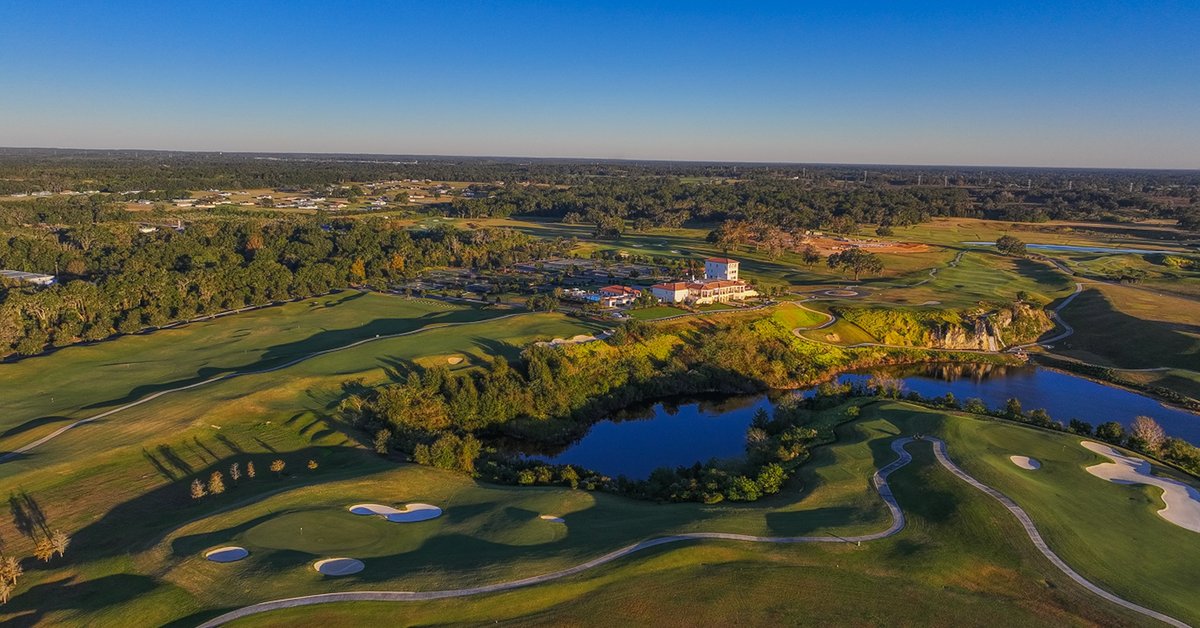
In Ocala, IronCrest is being planned around The Club at Iron Lake, where a distinctive quarry-influenced golf landscape is intended to anchor a broader recreational environment. Plans include a 37,000-square-foot clubhouse, racquet sports and wellness facilities, with the surrounding community drawing inspiration from Ocala’s equestrian heritage and natural terrain. The setting provides a distinctive identity, while the planned club facilities are intended to support a wide range of recreational and social interests.
A similar philosophy is evident at Glynlea Country Club within Wylder in Port St. Lucie. The Jim Furyk-designed golf course establishes a major recreational centerpiece, while the larger vision for Glynlea incorporates additional opportunities for dining, recreation and social interaction.
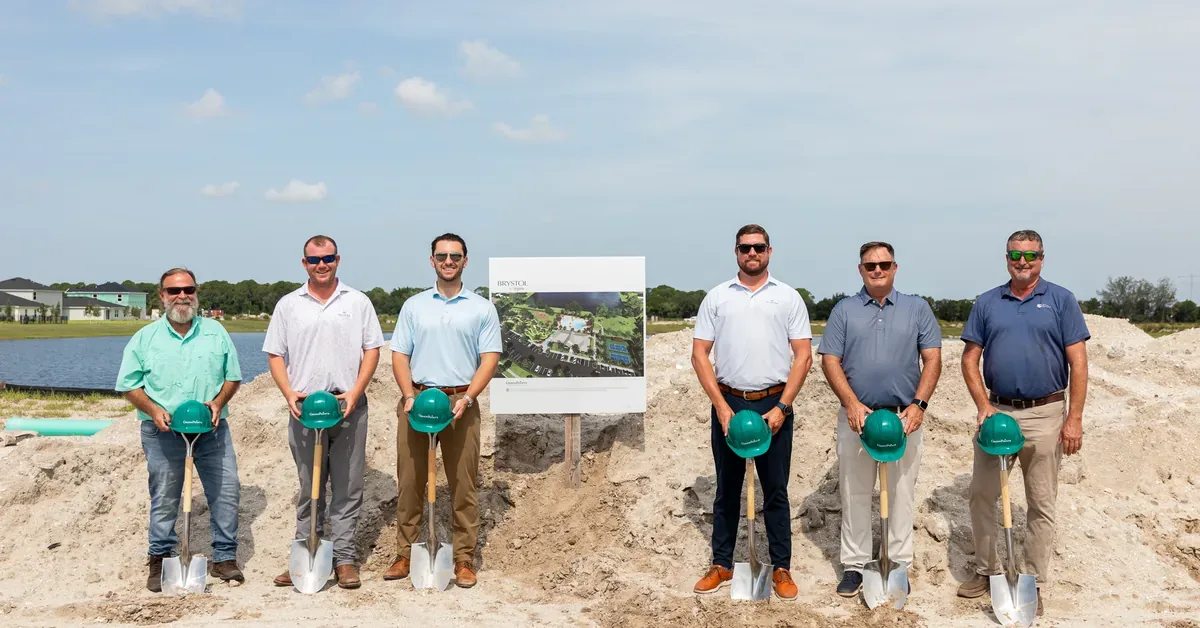
For these emerging communities, the club is closely tied to the character of the residential neighborhood. Its facilities and programming are being considered as part of how future residents will spend their time, meet their neighbors and participate in community life.
The approach reflects an important distinction between providing a collection of amenities and planning a community in which those amenities are closely connected to the residential experience.
Different Clubs for Different Ways of Living
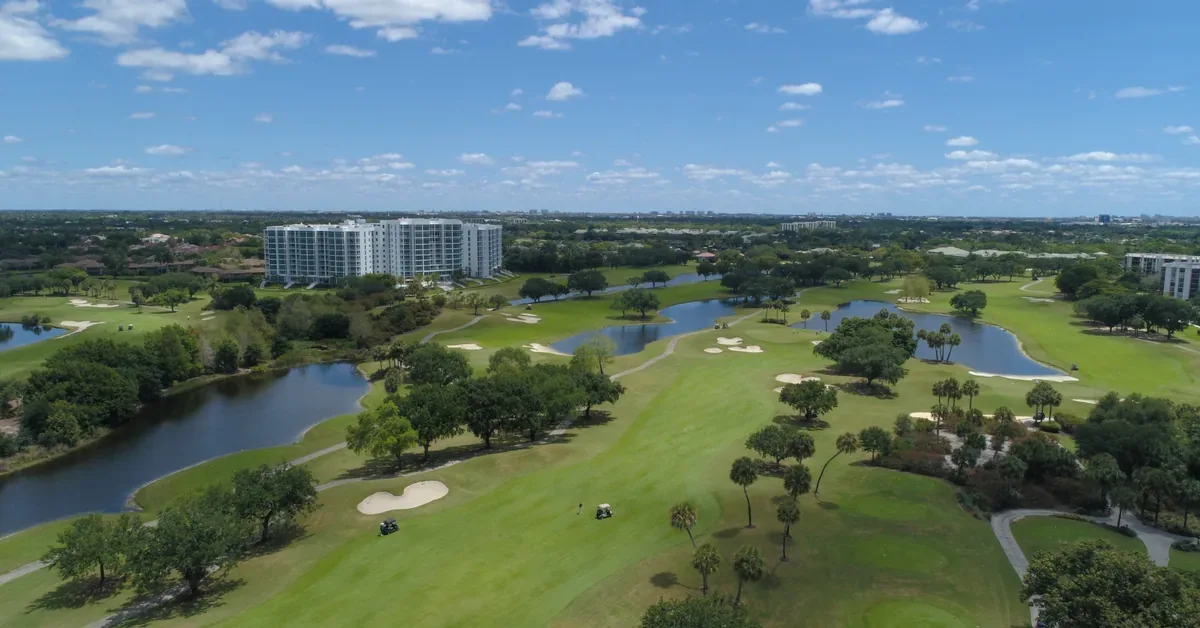
Florida’s private clubs have never been interchangeable, and the expansion of their recreational and social offerings is making their differences even more pronounced.
Boca West demonstrates the advantages of a large, established residential club with extensive facilities and programming. Hobe Sound Golf Club preserves a more focused golf tradition. Sailfish Point and Orchid Island take much of their identity from their remarkable coastal settings, while Hideaway Beach Club combines a more intimate beach environment with expanded wellness opportunities.
Meanwhile, communities such as Glynlea at Wylder and IronCrest are incorporating broader lifestyle expectations into their development plans, creating new interpretations of the relationship between private clubs and residential living.
For prospective members and homebuyers, these differences provide more meaningful ways to evaluate a community than simply comparing the number of golf holes, tennis courts or dining venues. The character of the membership, the surrounding environment and the opportunities to participate in everyday club life are equally important considerations.
Golf will continue to hold a central place in Florida’s private-club tradition. Yet the lasting appeal of membership increasingly reflects everything that happens around the game, from recreation and wellness to the friendships and shared experiences that make a club feel like a community.
Frequently Asked Questions
How are Florida’s private country clubs changing?
Florida private clubs are expanding their recreational and social offerings beyond traditional golf-centered experiences. Established communities are adding wellness, racquet sports, dining and social programming, while newer residential developments are incorporating broader lifestyle amenities into their original plans.
What Florida private country club communities combine championship golf with waterfront access?
Sailfish Point in Stuart combines a Jack Nicklaus Signature golf course with private marina facilities, Atlantic Ocean beach access and proximity to the St. Lucie Inlet. Orchid Island Golf & Beach Club near Vero Beach offers championship golf and private beach access between the Atlantic Ocean and Indian River Lagoon. West Bay Club in Estero combines golf with private beach access and river recreation.
What distinguishes Boca West Country Club from smaller Florida private clubs?
Boca West Country Club is located within a private residential community of approximately 4,000 homes in Boca Raton. Its extensive golf, fitness, aquatics, racquet sports, dining and social facilities support a broad range of member interests. Smaller clubs may place greater emphasis on golf, a more intimate membership culture or a distinctive natural setting.
How are new Florida residential communities incorporating country club amenities?
New communities such as Glynlea Country Club at Wylder in Port St. Lucie and IronCrest in Ocala are incorporating golf, wellness, racquet sports, dining and social facilities into their broader residential development plans. These facilities are intended to serve as recreational and social centers for the surrounding residential communities.
Is golf still central to Florida private-club life?
Golf remains central to many Florida private clubs, particularly established golf-focused communities such as Hobe Sound Golf Club. Other clubs combine championship golf with extensive wellness, waterfront recreation and social programming, offering members different opportunities to participate in club life throughout the week.
Destinations
Things To Do
Exclusives

Lifestyle Publication