The Bayfront Is Becoming Sarasota’s Living Room
October 7, 2026 | Read Time: 6 minutes
| October 2026
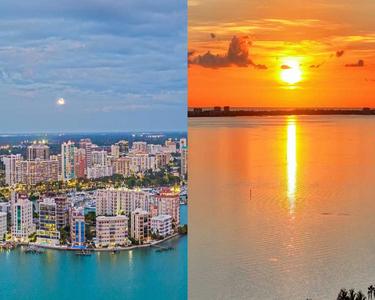
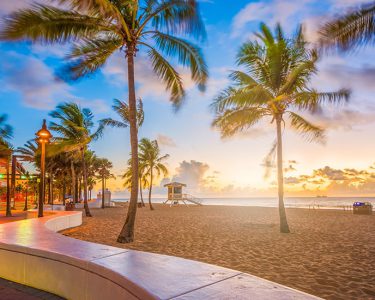
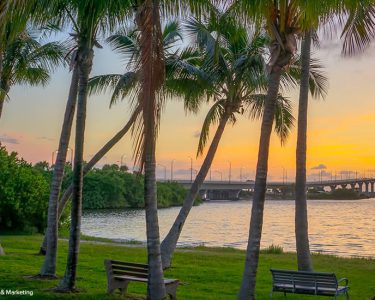
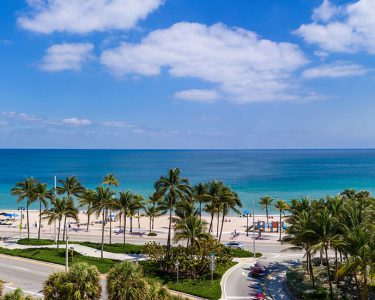
On a waterfront that really works, the view is almost beside the point. You go for a walk and stay for coffee. A morning workout turns into lunch. Sunset becomes live music. Visiting friends meet you by the water instead of at home. The waterfront starts behaving less like scenery and more like a shared living room.
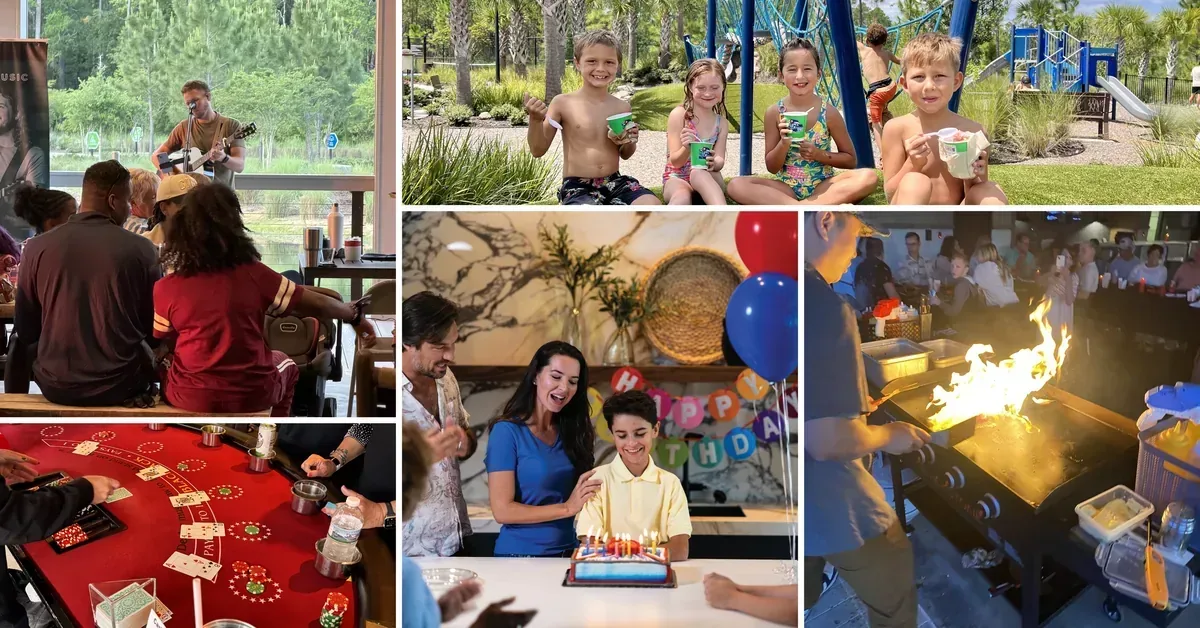
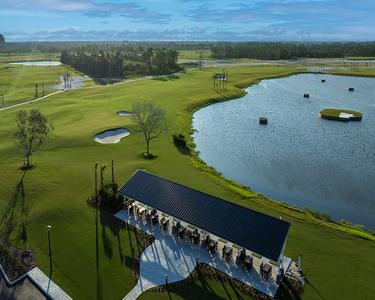
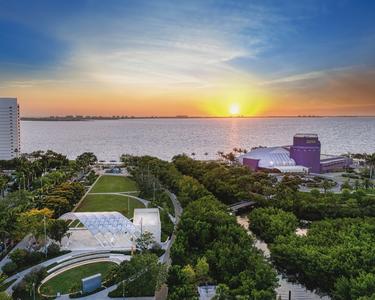
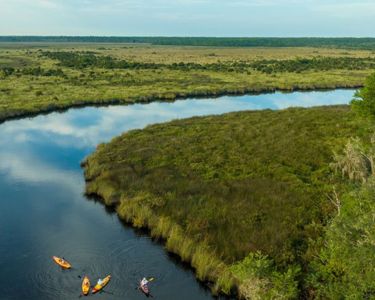
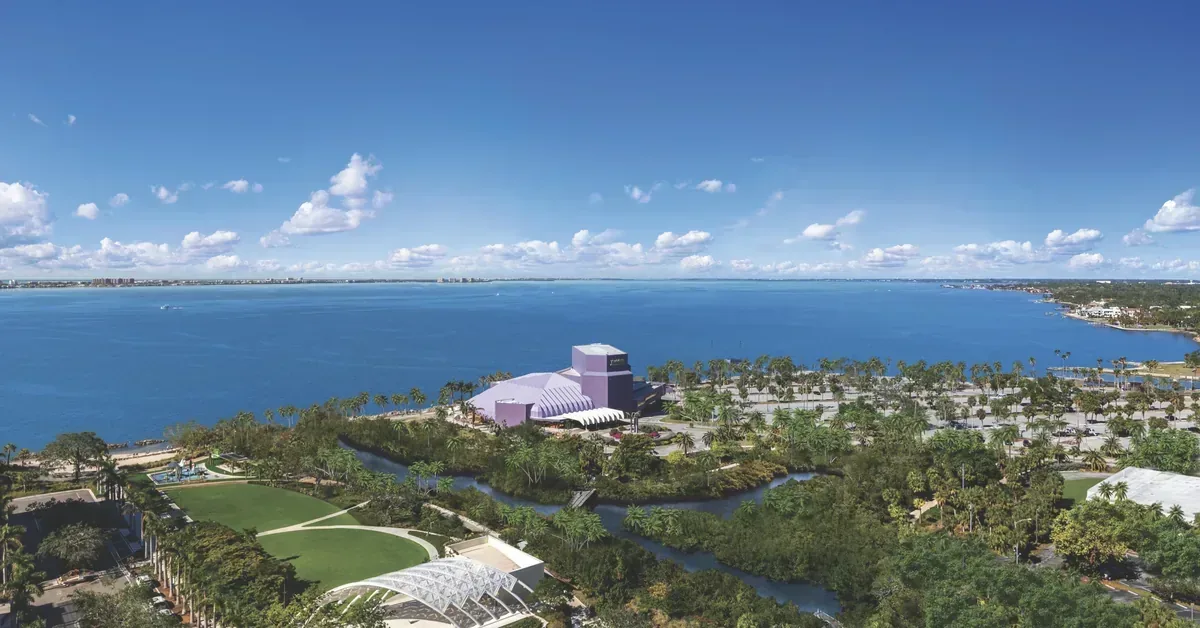
That is increasingly what Sarasota Bay feels like around The Bay. Four years after the public park opened, The Bay says it has welcomed more than 1.2 million visits. Its fourth-anniversary celebration alone brings more than 70 free events across October and early November, from fitness and kayak outings to movies, food, live music and Salsa & Sunsets.
The local story also reflects a broader placemaking idea. Project for Public Spaces has long argued that successful waterfronts become multi-use destinations for culture, commerce and social life rather than remaining scenic promenades or isolated enclaves. Sarasota offers a useful example of what that principle looks like when public space, hospitality, residences and downtown culture begin to overlap.
The Best Waterfronts Give You a Reason to Stay
A beautiful shoreline can draw people once. A waterfront with enough reasons to return becomes part of a routine. That difference is visible in the way The Bay is programmed throughout the week: yoga and Tai Chi in the morning, walking and paddling during the day, music, movies and community gatherings after work, and larger celebrations that turn the park into a destination without making it feel like a special-occasion place.
The park’s month-long fourth-anniversary calendar makes the point especially clearly. Salsa & Sunsets on October 7 is one event, but the more revealing story is the range around it. The same waterfront can support quiet movement, family activities, food festivals, cultural programming and an evening out. That variety changes the role of the bayfront from something people look at to something they actually use.
When a Park Starts Setting the Pace
The next phase of The Bay is designed to give that activity more places to pause. Current plans call for the Town Square and Van Wezel Way work to reach an approximate October 2026 completion, with the public gathering space known as The Plaza. A first restaurant is planned for fall 2027.
Those additions matter less as a checklist than as a change in rhythm. A park becomes more useful when a walk can turn into lunch, a performance can spill into a drink afterward, or an event has somewhere nearby for people to keep talking. In that sense, the public realm begins doing some of the work traditionally expected of a private club or resort: it gives people reasons to stay, return and build habits around a place.
Hospitality Is Becoming Part of the Neighborhood
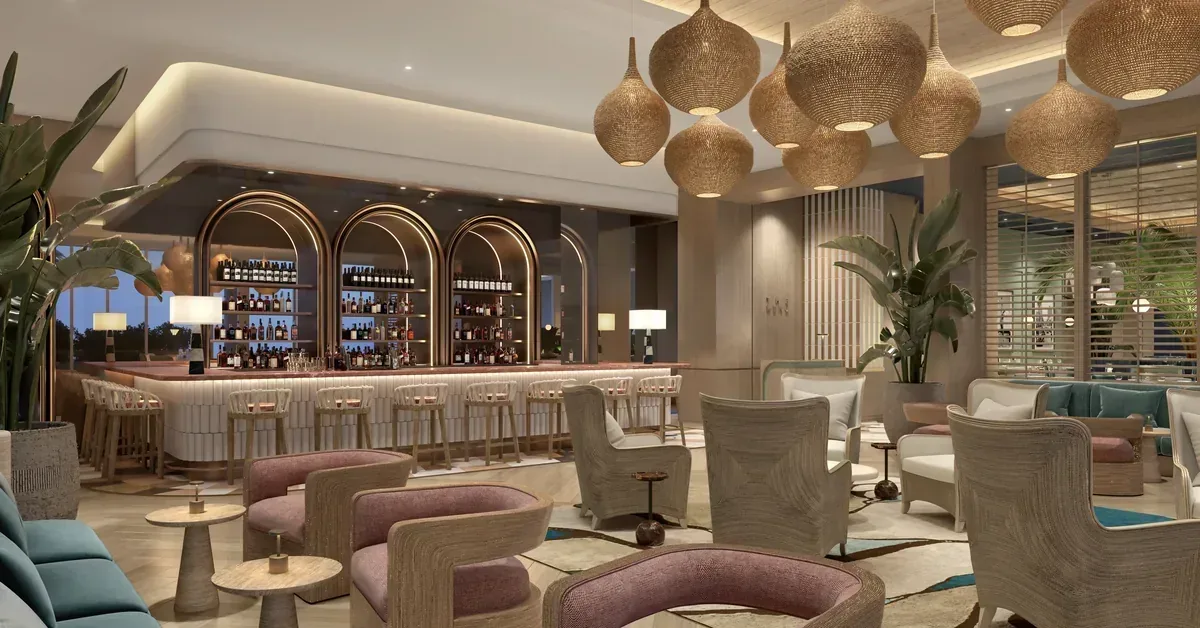
The same shift can happen when hospitality moves into a mixed-use waterfront district. A hotel may be built for travelers, but its restaurants, lounges and gathering spaces can also become part of the social life around it. That is the role planned for Hyatt Centric Harborside, which will share a waterfront tower with 1000 Boulevard of the Arts.
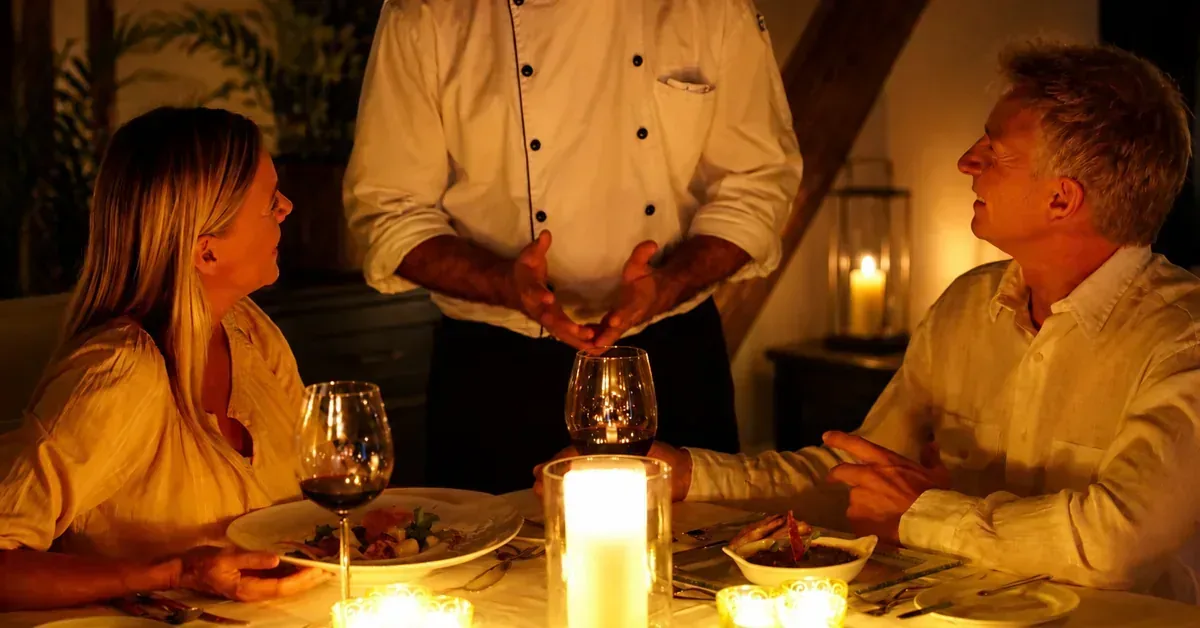
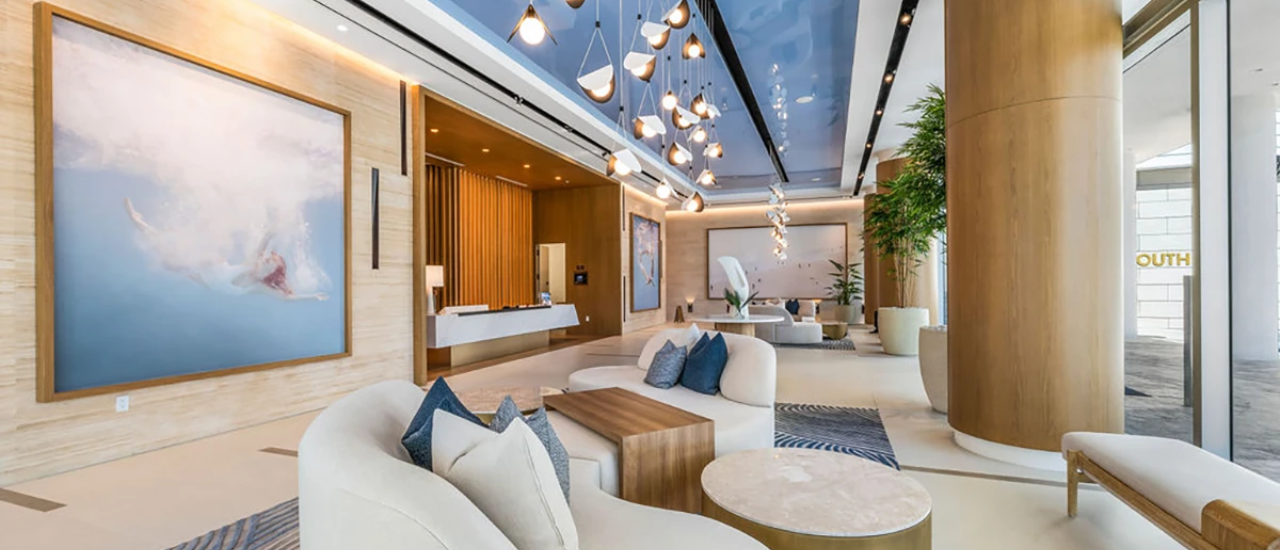
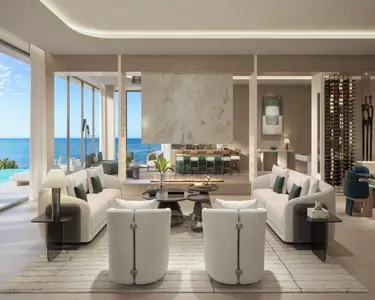
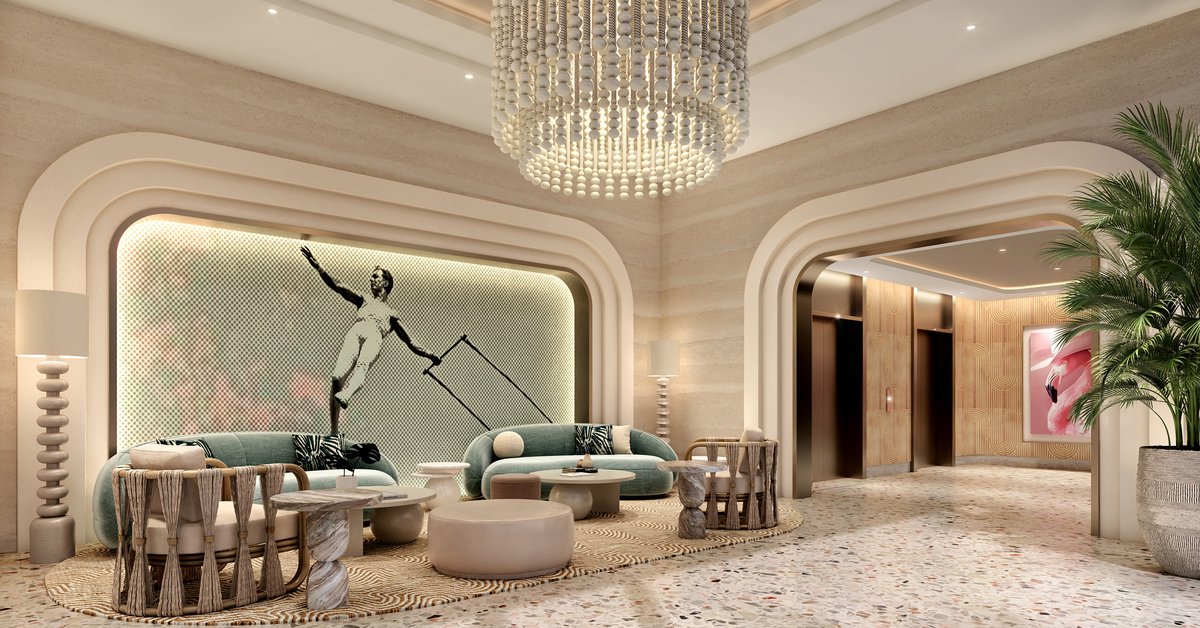
Its newly released interiors show a hotel built around dining, conversation and a design-forward lounge environment, not simply guest rooms. For nearby residents, the practical effect is broader than having a place for visitors to stay. It adds another place to meet, eat or extend an evening without leaving the waterfront district.
That blending of public and private experiences is an important part of the lifestyle trend. The strongest mixed-use districts are not compelling because every building contains everything. They work because different places contribute different reasons to be there.
The Lifestyle Arrived Before the Towers Did
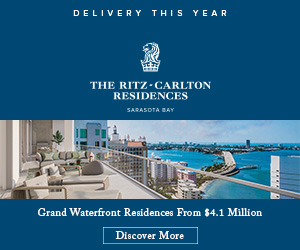
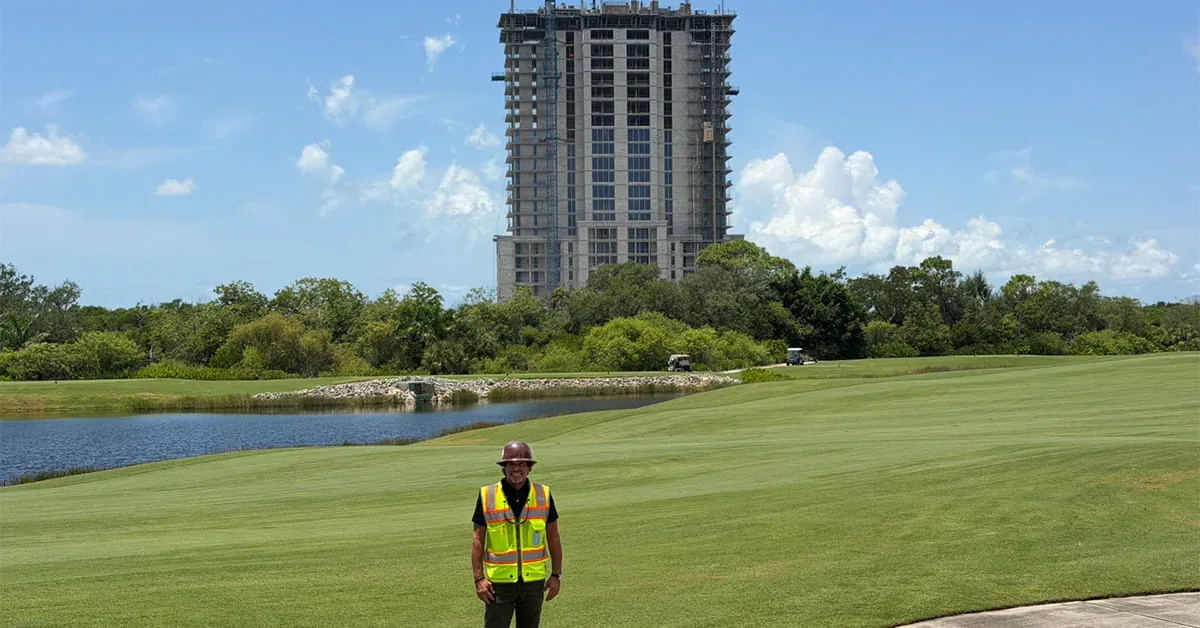
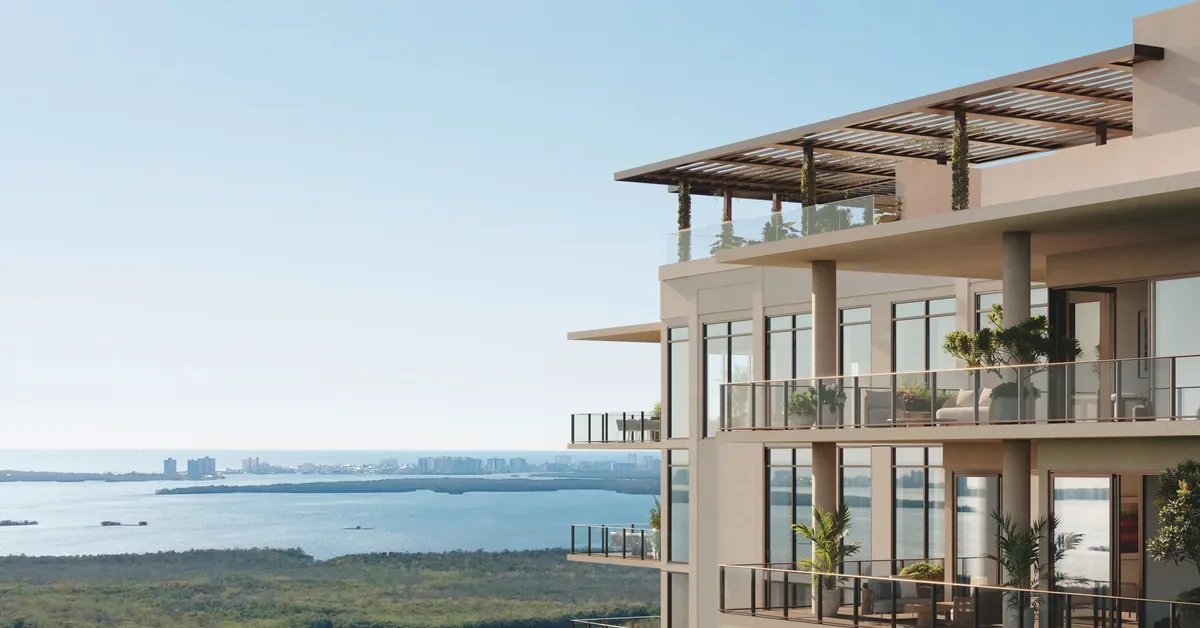
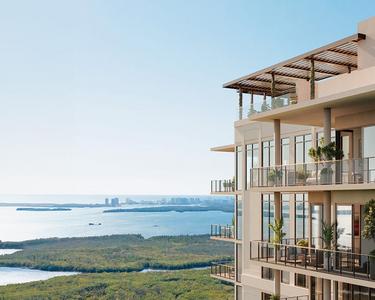
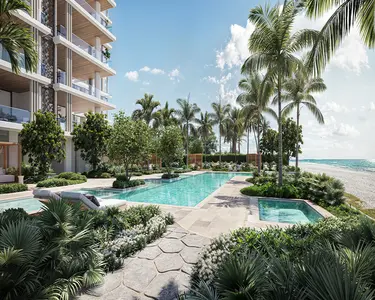
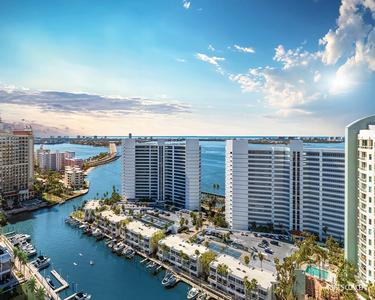
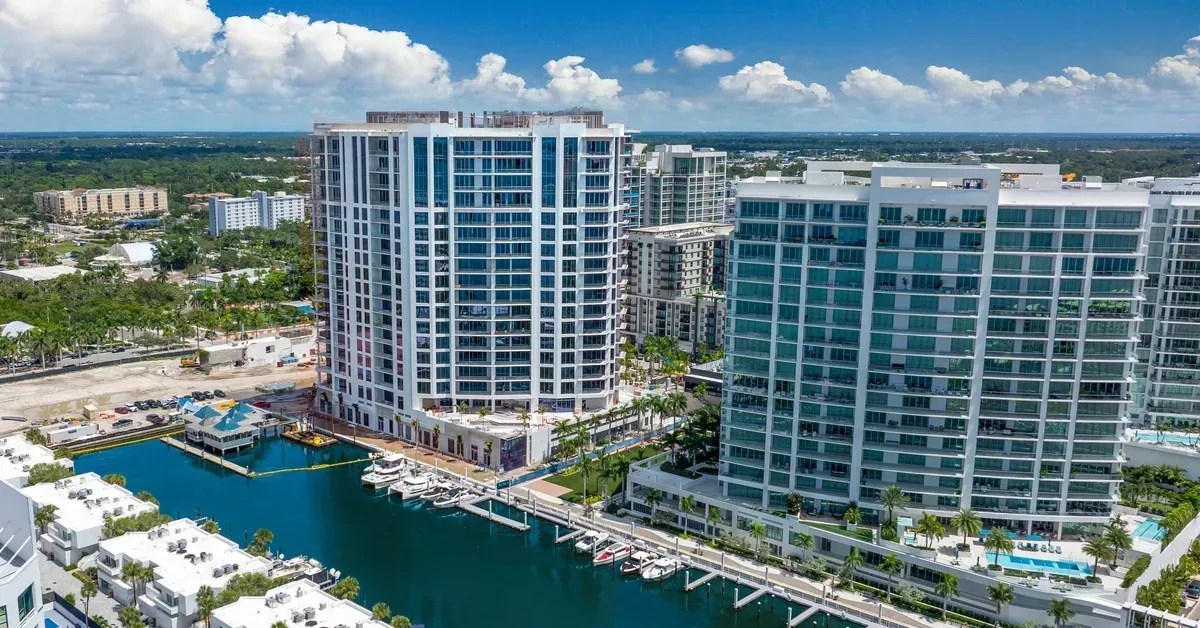
Residential development is now joining a waterfront that already has its own daily life. The Ritz-Carlton Residences, Sarasota Bay is progressing toward delivery later in 2026, adding another residential address to the Quay Waterfront District. Its arrival is visible, but the more interesting point is what already surrounds it: The Bay, Quay Harbor, downtown restaurants, cultural venues and a waterfront that people are using whether or not they live there.
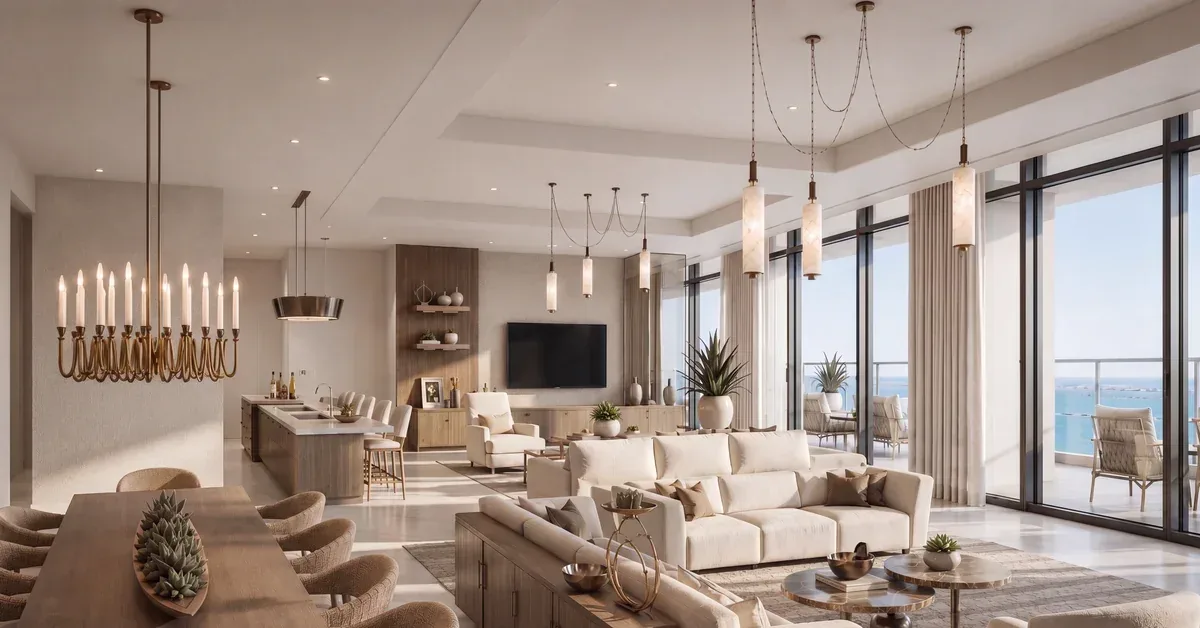
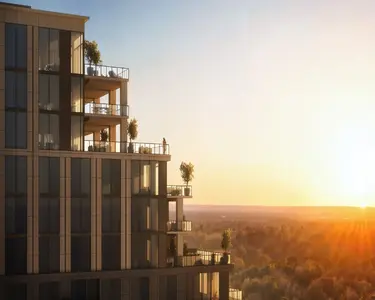
The same context matters for 1000 Boulevard of the Arts, which the project update supplied for this article says is preparing for a late-October groundbreaking. Plans call for 117 private residences across 17 one- to three-bedroom floor plans, with homes ranging from roughly 1,200 to more than 3,000 square feet and a shared address with Hyatt Centric Harborside.
Those numbers describe the building. The lifestyle story is outside it. A future resident would be stepping into a district where a public park already has a calendar, a harbor already has activity, new hospitality is taking shape and downtown Sarasota’s dining and arts scene is close enough to become part of the same day.
The View Is No Longer the Whole Story
Waterfront real estate has always been able to sell the view. What is changing in places like Sarasota is the importance of participation: Can you walk somewhere without planning it? Is there something happening after sunset? Can visiting friends stay nearby? Does the park give you a reason to return on a Tuesday morning as well as a Saturday night?
Sarasota’s bayfront is becoming more interesting because the answers increasingly overlap. Public space, culture, hospitality, recreation and residential development are beginning to reinforce one another rather than operate as separate destinations.
That is what makes the “living room” idea useful. The most compelling waterfront may not be the one with the most private amenities. It may be the one where enough of everyday life can happen just outside the door.
Frequently Asked Questions
What can people do at The Bay in Sarasota?
The Bay supports a broad mix of everyday and programmed activity, including walking, fitness, paddling, family activities, live music, movies and community events. Its 2026 fourth-anniversary celebration runs from October 1 through November 1 with more than 70 free events, showing how many different ways the waterfront is being used.
What is changing at The Bay in 2026 and 2027?
The Bay’s published timeline targets the Town Square and Van Wezel Way work for approximately October 2026. The gathering space will be known as The Plaza, while the first planned restaurant is scheduled for fall 2027, adding more places to meet, pause and spend time along the waterfront.
How are hospitality and new residences changing Sarasota’s bayfront?
New projects are adding residential, hospitality, dining and guest-stay options around public spaces that are already active. The Ritz-Carlton Residences, Sarasota Bay is moving toward delivery later in 2026, while Hyatt Centric Harborside and 1000 Boulevard of the Arts are planned to add another mix of hotel and residential activity nearby.
What is 1000 Boulevard of the Arts?
1000 Boulevard of the Arts is a planned waterfront condominium development in Sarasota’s Quay Waterfront District with 117 residences and 17 one- to three-bedroom floor plans. The project is planned beside The Bay and will share its tower with Hyatt Centric Harborside; additional current project information is available in the official FAQ.
Destinations

Things To Do


Exclusives
Lifestyle Publication