From a February Major to Floating Targets on Florida’s East Coast
November 12, 2026 | Read Time: 6 minutes
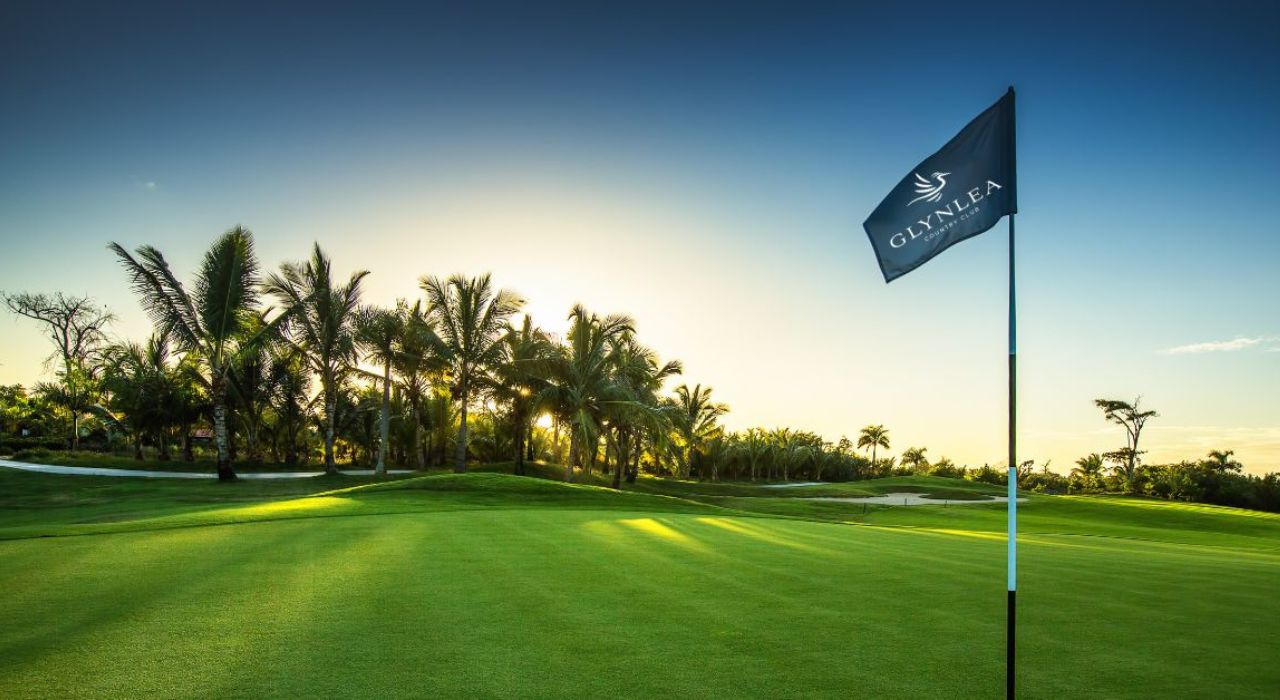
In February 1971, Jack Nicklaus won the PGA Championship on a course in Palm Beach Gardens, weeks before the Masters would even begin. The East Course at what is now BallenIsles Country Club hosted that unlikely winter major. Farther north in Port St. Lucie, golfers at Glynlea Country Club can send shots across a lake toward floating targets and watch the ball’s flight on a screen.
Both experiences belong to Florida’s East Coast, although they could hardly feel more different. Between them are sandy, tree-lined fairways in Hobe Sound, a course shaped by the barrier-island landscape near Vero Beach and an eighteenth hole with the Atlantic in view. Following the game along this coast is a chance to discover how much the setting changes the experience.
The PGA Championship That Came in February
The idea of a major championship in February sounds unusual now. From February 25 to 28, 1971, though, the PGA Championship was played at the original PGA National Golf Club in Palm Beach Gardens, the first major championship staged in Florida. Nicklaus led from the opening round and parred the eighteenth to finish two strokes ahead of Billy Casper. The timing suited Florida’s winter visitor season, when people were already coming south to enjoy the weather and the golf.
The East Course had quite a year. The PGA Seniors’ Championship was played there in January; PGA Tour Qualifying School followed in October; and in November Nicklaus returned with Lee Trevino to win the World Cup of Golf team competition. For one calendar year, the same property welcomed established champions and professionals still trying to earn their place on tour.
There is still a physical connection to that extraordinary season. According to BallenIsles’ club history, 13 of the East Course’s original 18 holes remain, and the back nine retains the stretch the championship contenders played in 1971. The routing has evolved, but today’s members still play over ground that belongs to a remarkable chapter of golf history.
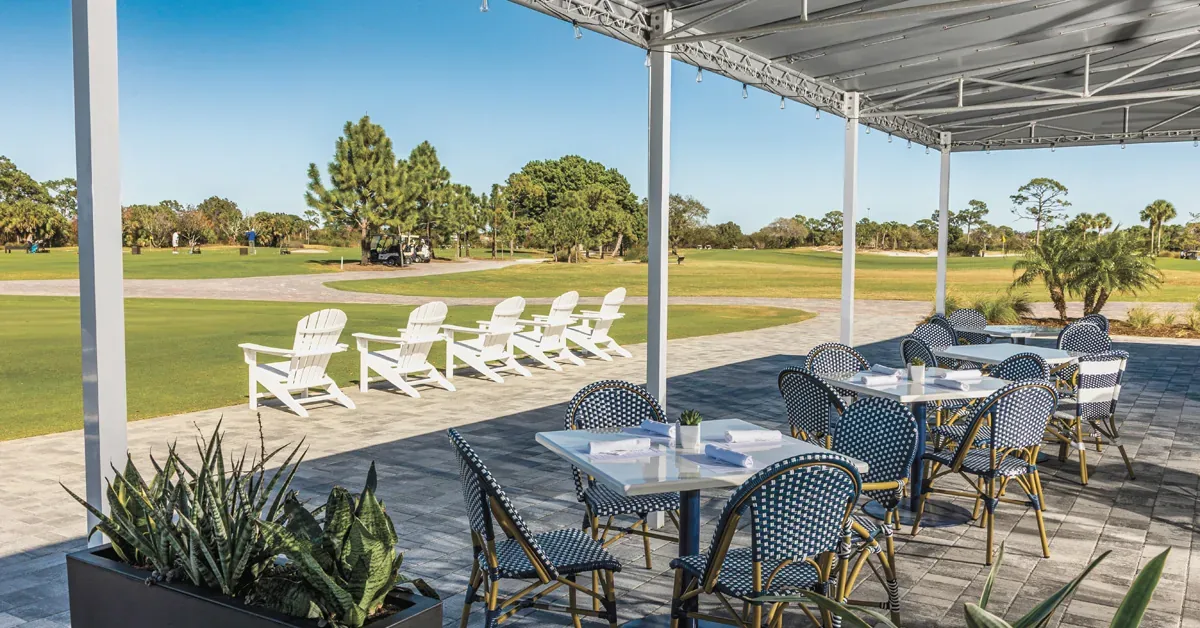
Hobe Sound Golf Club – the 19th Hole Patio overlooking the course.
Hobe Sound’s White Sand and Orchid Island’s Sea Breeze
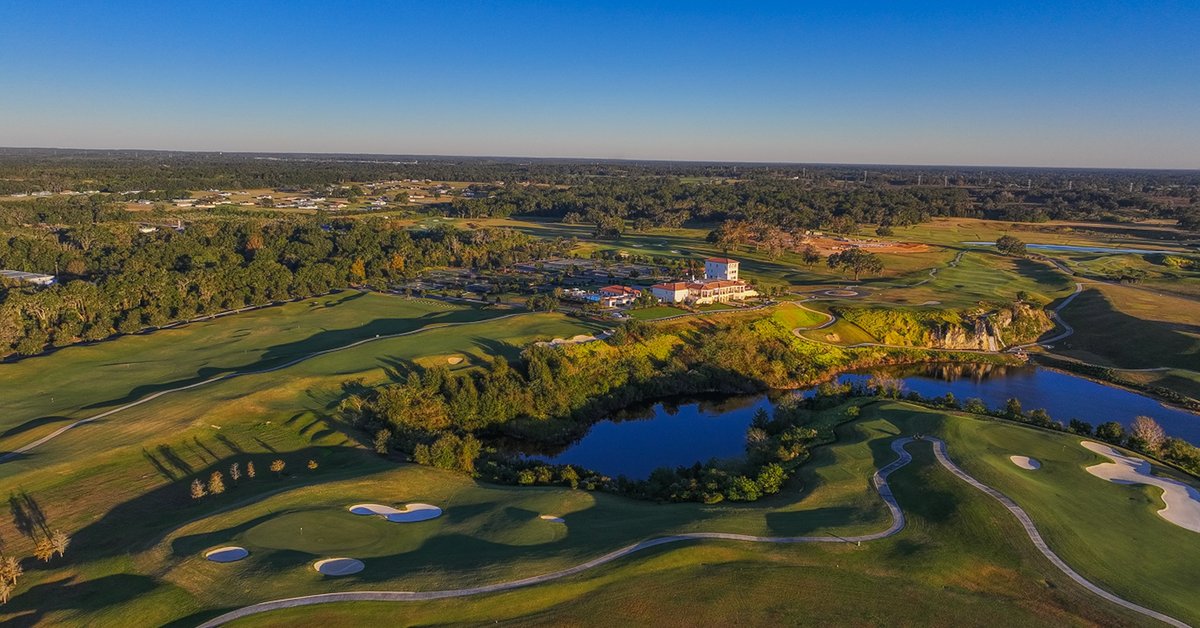
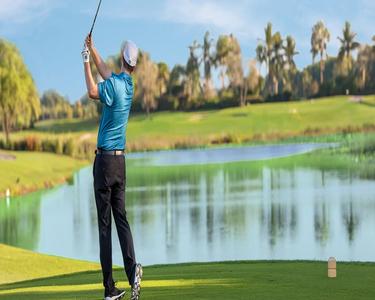
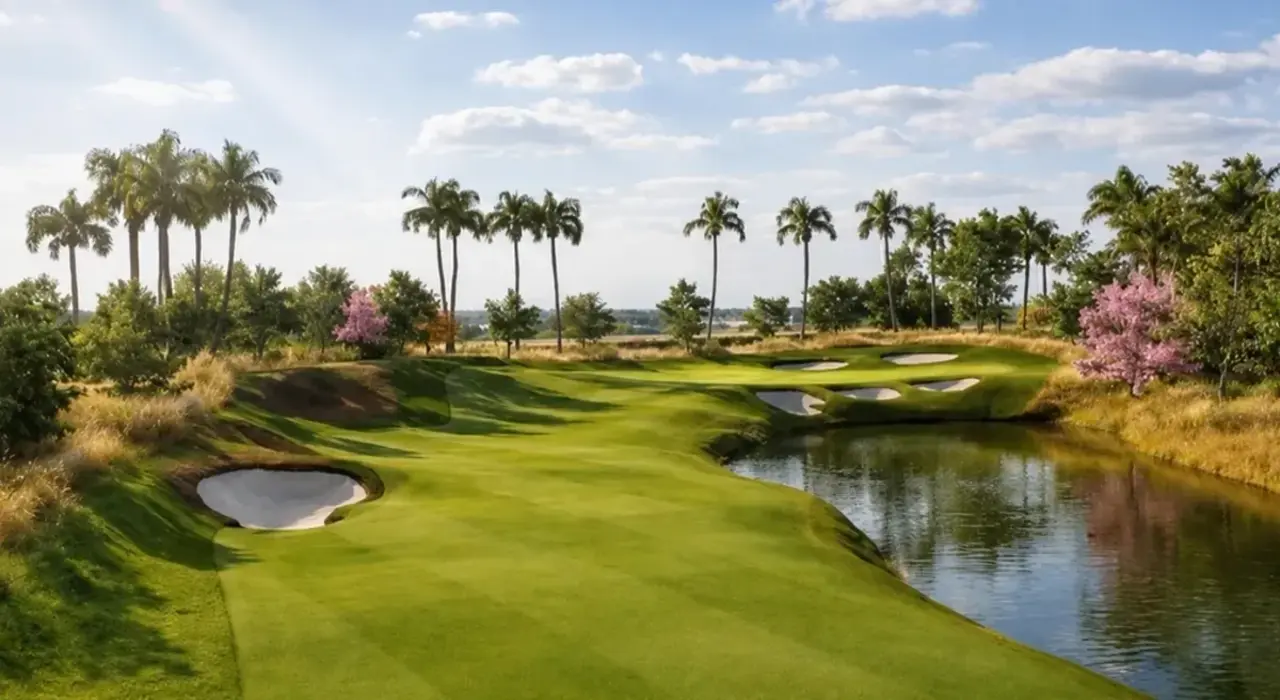
At Hobe Sound Golf Club, white sandy soil runs among pines, oaks and scrub oak. The setting has the look of Florida’s coastal scrub rather than a conventional procession of palms, and the club’s 19th Hole Patio looks out toward the course. Golf here takes much of its character from the land on which it is played.
When Tom Fazio II led the 2019 course renovation, he worked with those existing features while re-grassing the course, adjusting tees, rebuilding bunkers and improving irrigation. His stated aim was to sharpen the strategy for accomplished golfers while making the course less punishing for higher-handicap players. The result was a design approach grounded in the landscape and in the different ways people play the same game.
Near Vero Beach, Orchid Island Golf & Beach Club occupies a barrier-island setting between the Atlantic Ocean and Indian River Lagoon. Its Arnold Palmer-designed par-three eighth hole plays over water, with a sea breeze capable of adding another consideration to the shot. The club has also held Audubon Cooperative Sanctuary certification since 2005, reflecting practices in habitat management and water stewardship. The coastal environment plays a visible role in the golf experience.
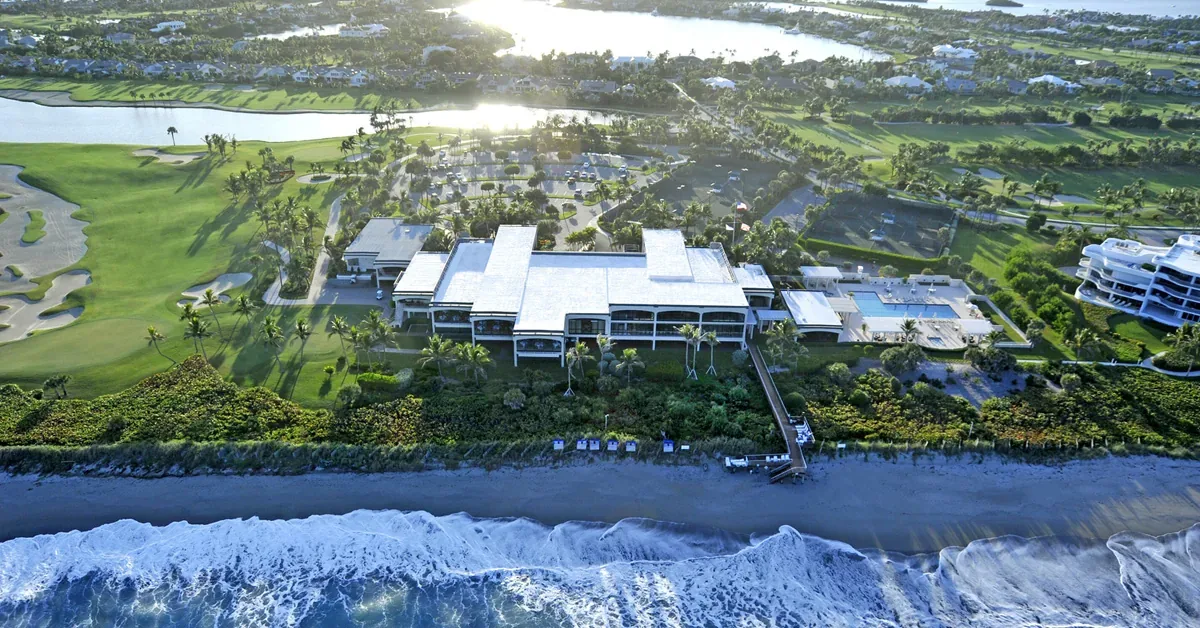
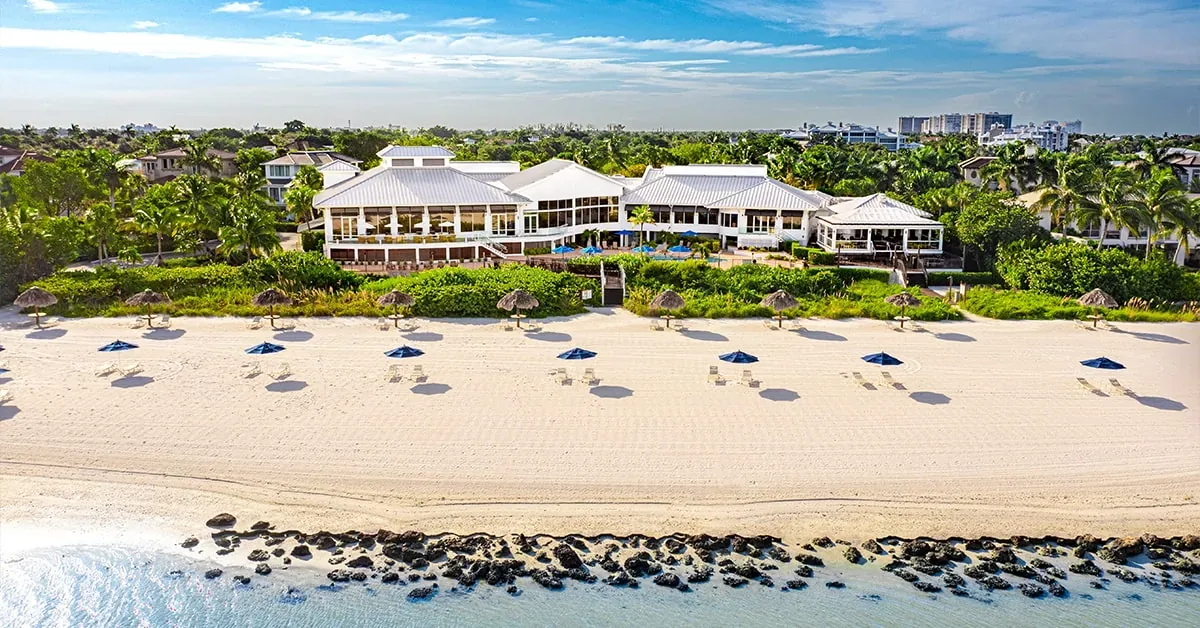
Sailfish Point – the oceanfront club grounds at the southern tip of Hutchinson Island.
An Eighteenth Hole With the Atlantic in View
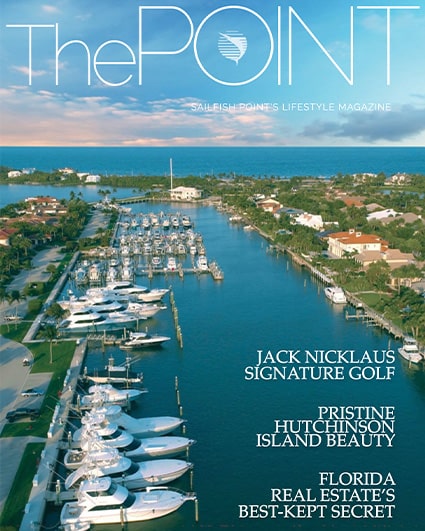
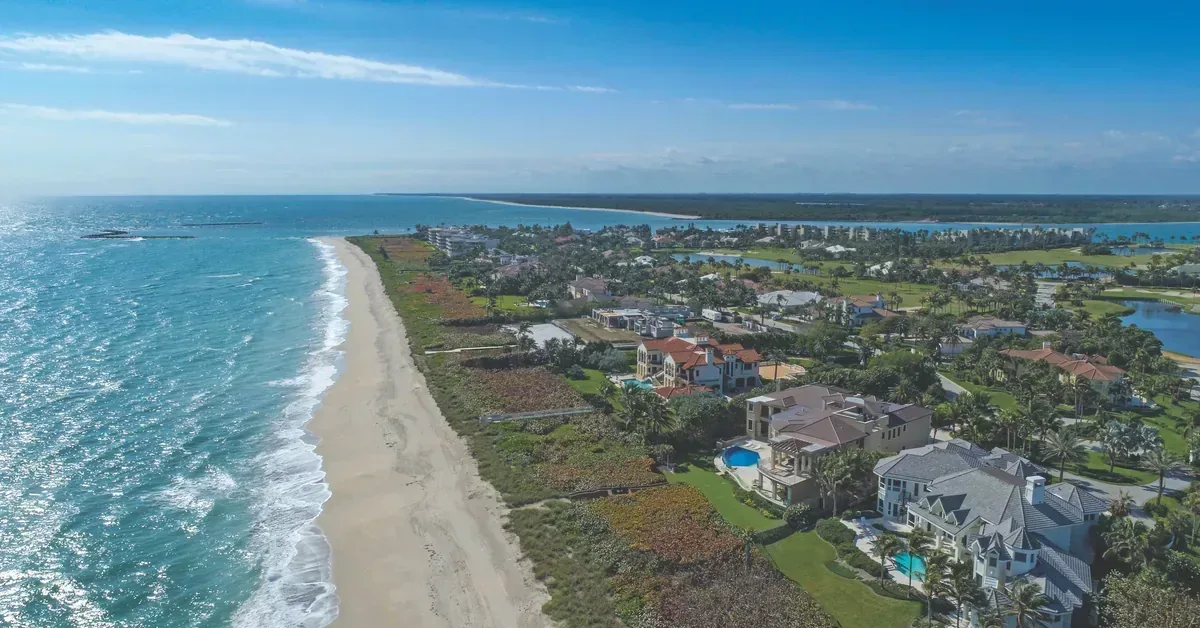
At the southern tip of Hutchinson Island, Sailfish Point sits near the meeting of the Atlantic Ocean, St. Lucie Inlet and Indian River Lagoon. Its Jack Nicklaus Signature course ends at a par-four eighteenth named the Window to the Sea. The name is wonderfully literal: the ocean comes into view at the finish of the round.
On a course beside the ocean, the breeze can influence club selection and the flight of an approach shot. At Sailfish Point, the Atlantic enters the golfer’s field of view right at the finish, giving the eighteenth a setting unlike an inland closing hole.
At Sailfish Point, water provides the view at the end of a round. Up the coast in Port St. Lucie, golfers take aim toward it. The distinction becomes clear once the targets themselves start floating.
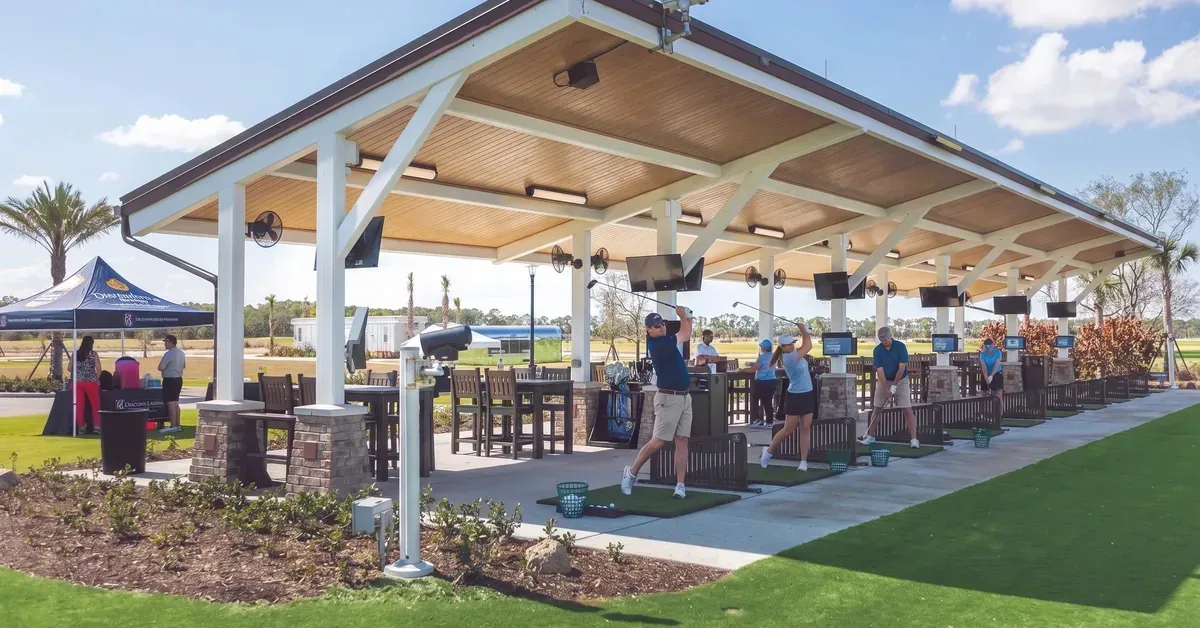
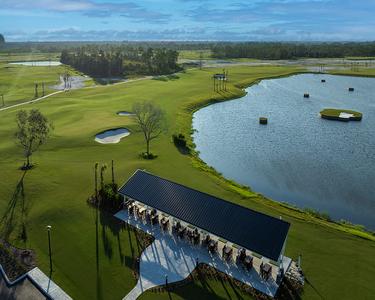
Glynlea Country Club – the aquatic Toptracer practice range in Port St. Lucie.
The Driving Range Where Water Is the Target
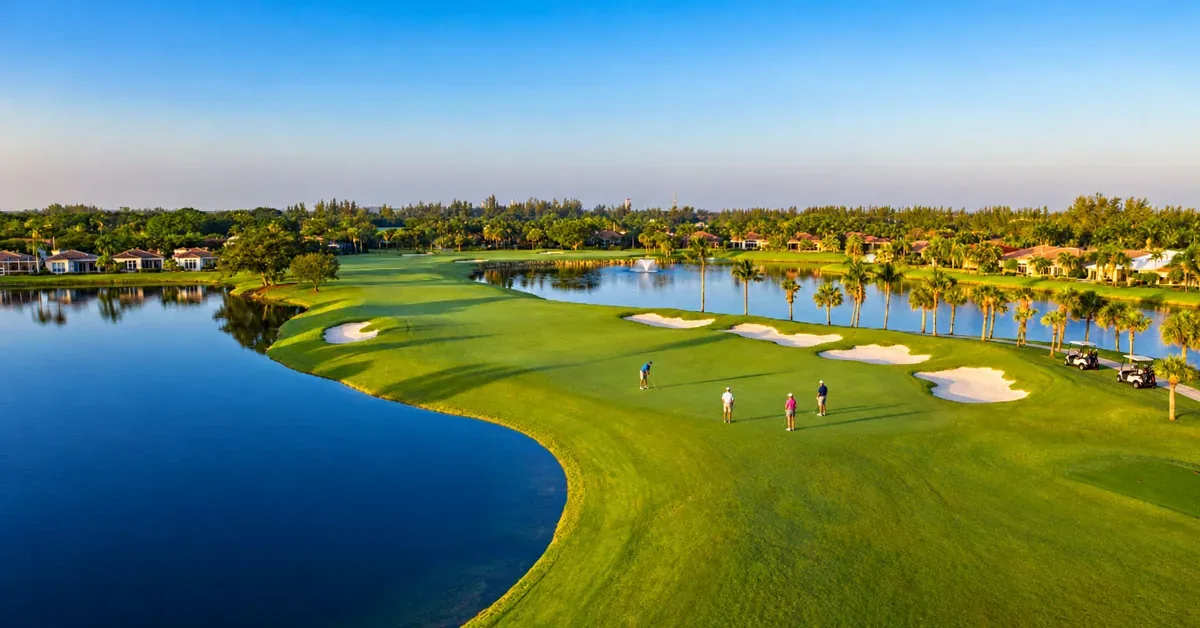
At Glynlea Country Club in Port St. Lucie, hitting toward the lake is the idea. The aquatic Toptracer range puts floating targets out on the water and follows each shot on a screen. The facility opened alongside Glynlea’s Jim Furyk Signature course in November 2025, introducing a strikingly different sort of practice session to the area.
For someone working on distances or shot shape, the tracking data is useful feedback. For a group of friends, those same bays support games and closest-to-the-pin challenges, with the water providing a little extra suspense. A visit can revolve around the range itself, even when a full round of golf is not on the schedule.
That kind of golf outing has a substantial audience. The National Golf Foundation reported that 19 million Americans participated exclusively in off-course golf activities in 2025, including ranges, simulators and golf-entertainment venues. It is a national participation figure, not a count of Glynlea’s visitors, but it puts the appeal of a range-centered afternoon into perspective.
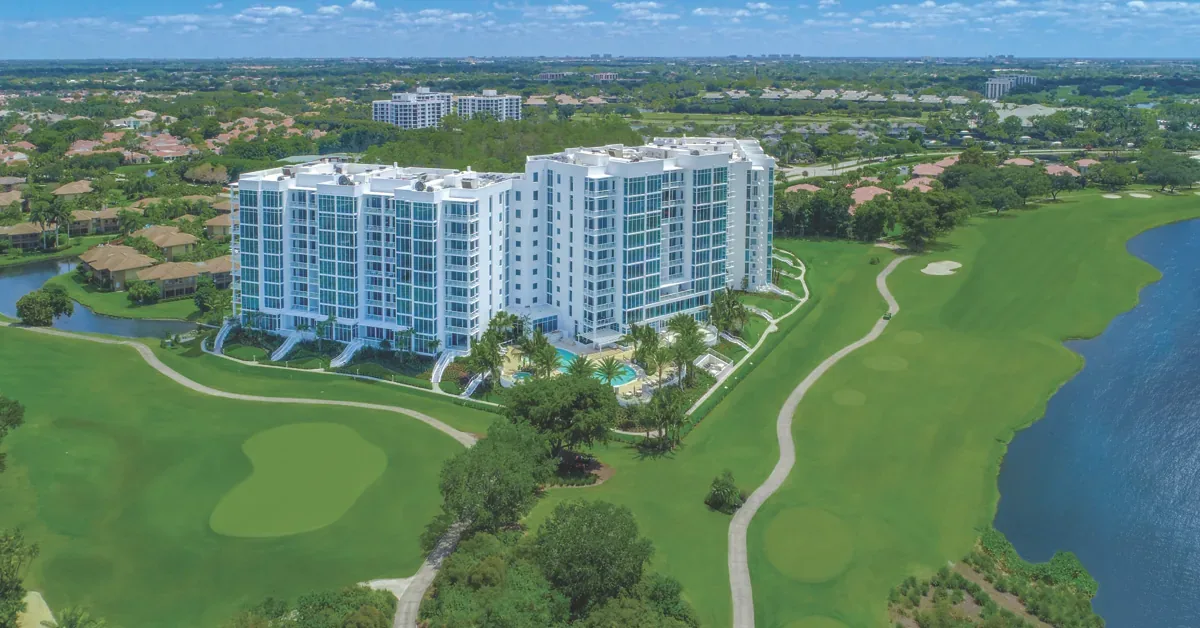
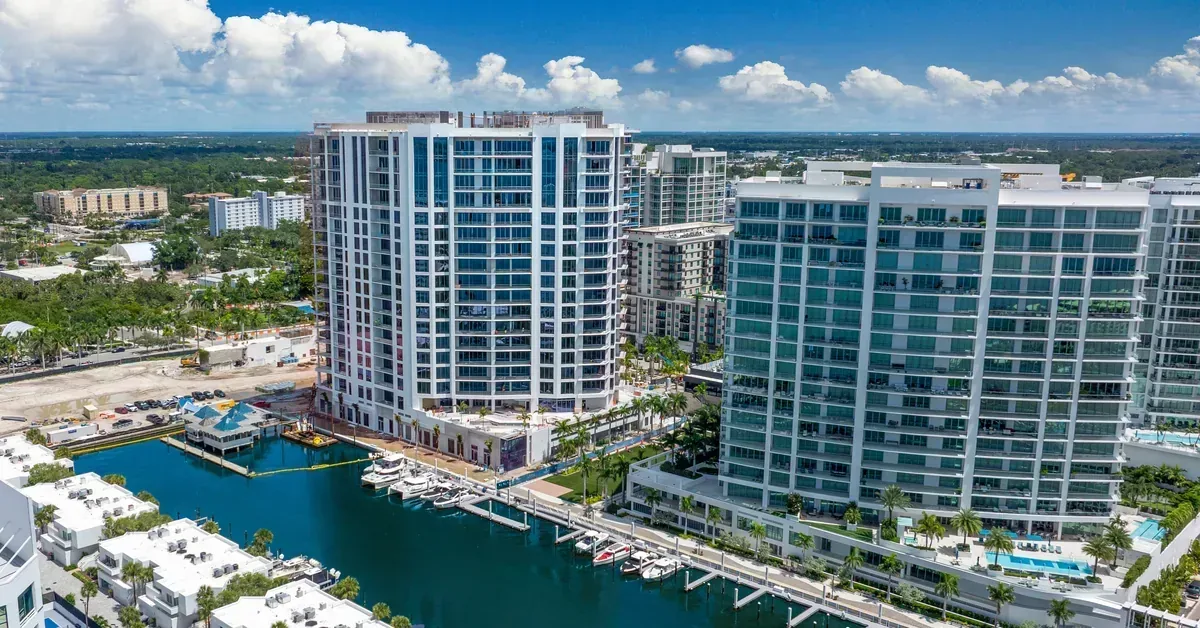
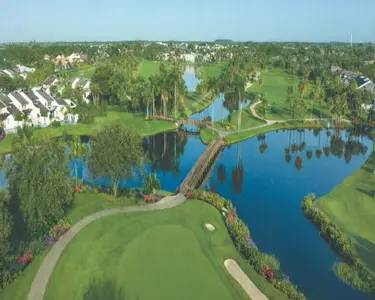
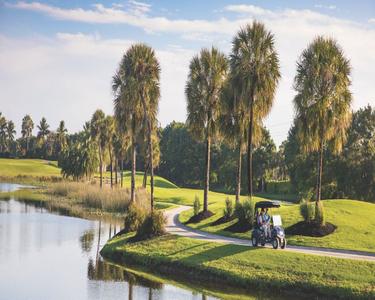
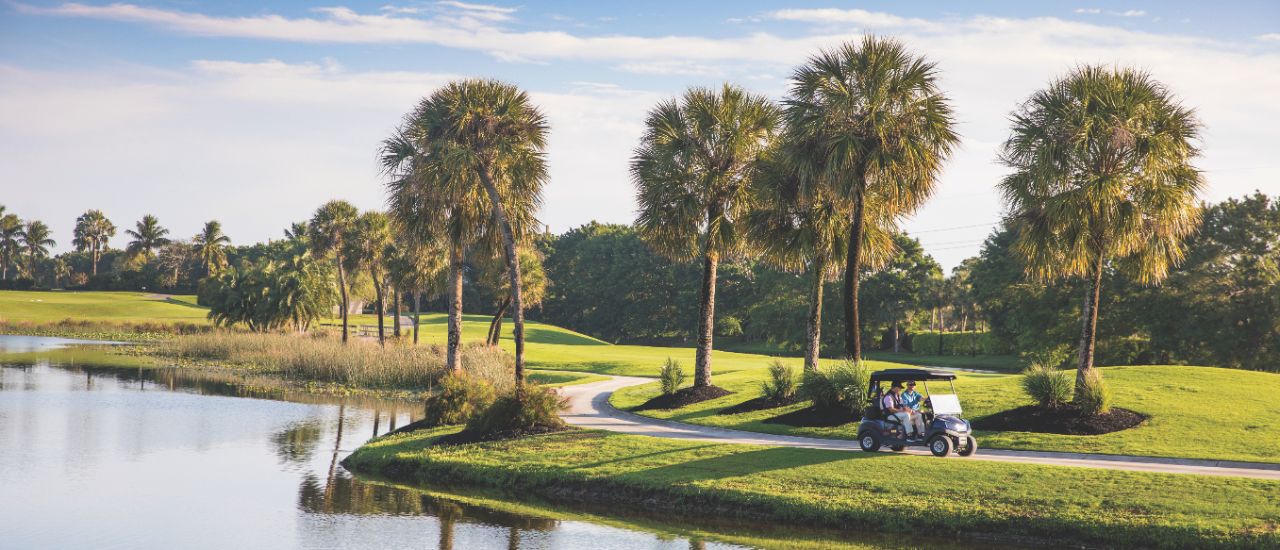
Boca West Country Club – residences beside golf-course fairways and a lake in Boca Raton.
When Golf Is the Social Plan
In Boca Raton, Boca West Country Club offers four championship courses, with golf also woven into the residential landscape surrounding them. At Mr. D’s Drive Suites, members can follow shots using InRange radar technology while enjoying food and drinks. A practice bay becomes a place to gather, whether someone is working seriously on a swing or playing a friendly game.
A lake full of floating targets is a long way from the East Course where Jack Nicklaus won a major in February 1971. Yet both belong to Florida’s East Coast, along with sandy fairways, oceanfront holes and practice bays that give golfers different ways to spend an afternoon. The surprise is how much variety fits into one region.
Destinations
Things To Do


Exclusives

Lifestyle Publication