Buckhead in World Cup Season: Atlanta’s Global Energy Up Close
May 13, 2026 | Read Time: 8 minutes
A major sporting event can change the way a city is experienced. As the FIFA World Cup comes to Atlanta, the matches at Mercedes-Benz Stadium are only one part of the story. Restaurants, hotels, shopping districts and neighborhoods all become part of the visit, giving people a reason to understand Atlanta beyond the stadium gates.
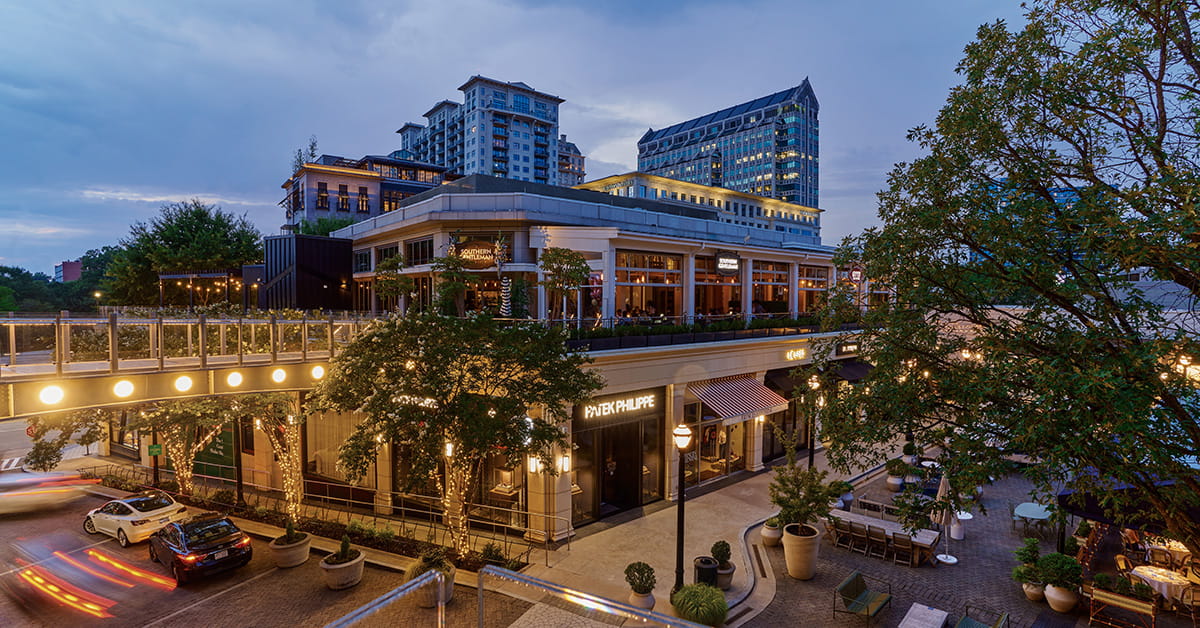
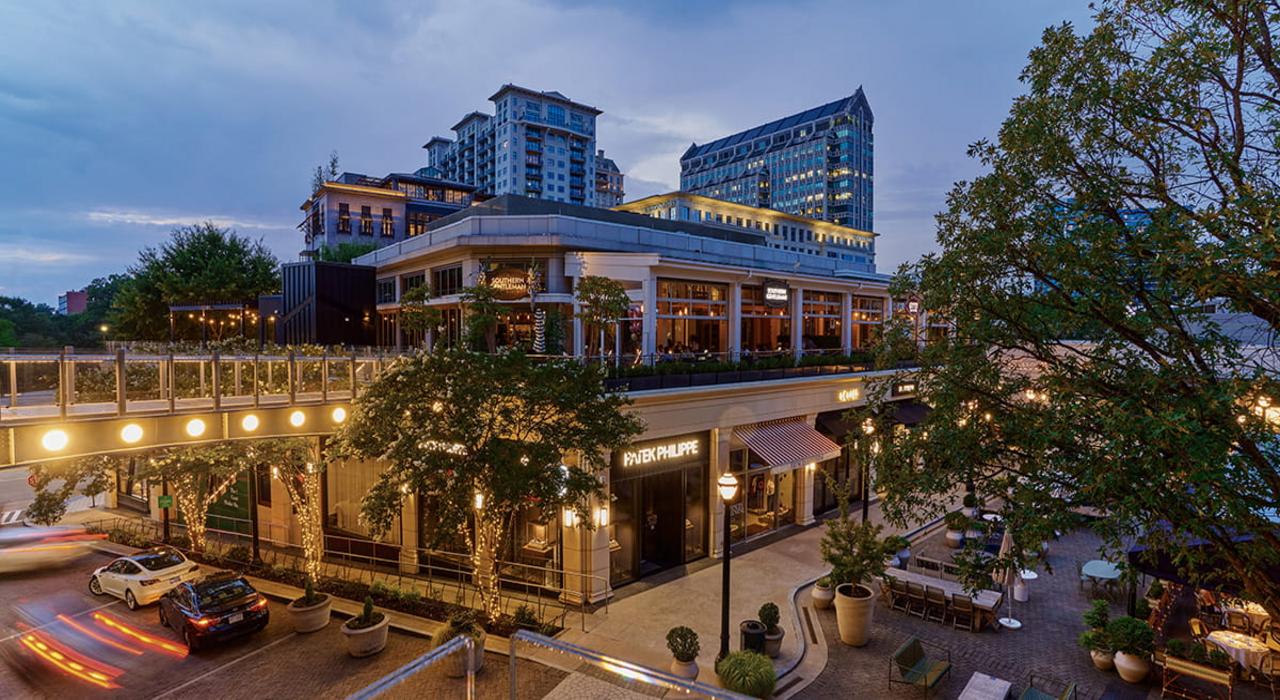
Buckhead offers one of the clearest examples of that wider experience. The district combines luxury retail, dining, hospitality and residential streets within a relatively compact part of the city, making it possible for a World Cup day to begin or end far from the match itself. Discover Atlanta provides the broader visitor context, while Elyse Buckhead’s World Cup guide brings the focus down to the neighborhood level.
That neighborhood perspective is what makes Buckhead especially interesting during a global event. The energy is temporary, but the restaurants, shops, hotels, private gathering places and new residential development are part of an everyday rhythm that was already in motion before the tournament arrived.

Atlanta’s Global Moment Comes Into Focus in Buckhead
Atlanta has long functioned as an international gateway, with air connections linking the city to major destinations across Europe, Asia and South America. The World Cup makes that global identity more visible by bringing different languages, cuisines and perspectives into the city at the same time.
In Buckhead, that international character is expressed at street level. Designer boutiques and local concepts share the same blocks. Restaurants move easily between global influences and Atlanta traditions. Hotels, galleries, private clubs and quieter gathering places add different layers to the district without requiring every outing to feel like a formal itinerary.
The Buckhead Village District is one of the most visible parts of that mix, but the larger appeal comes from how closely the experiences sit together. Shopping can lead into lunch, a hotel bar, a gallery visit or dinner without turning each stop into a separate excursion.
Buckhead’s current residential chapter is part of that same evolution. Cotton & Company’s work on The Dillon Buckhead provides one nearby example of how a new high-rise can be positioned around the lived experience of the neighborhood rather than architecture alone. For visitors, the takeaway is simpler: Buckhead is not a district that switches on only when a major event arrives.
A World Cup Day Can Extend Well Beyond the Stadium
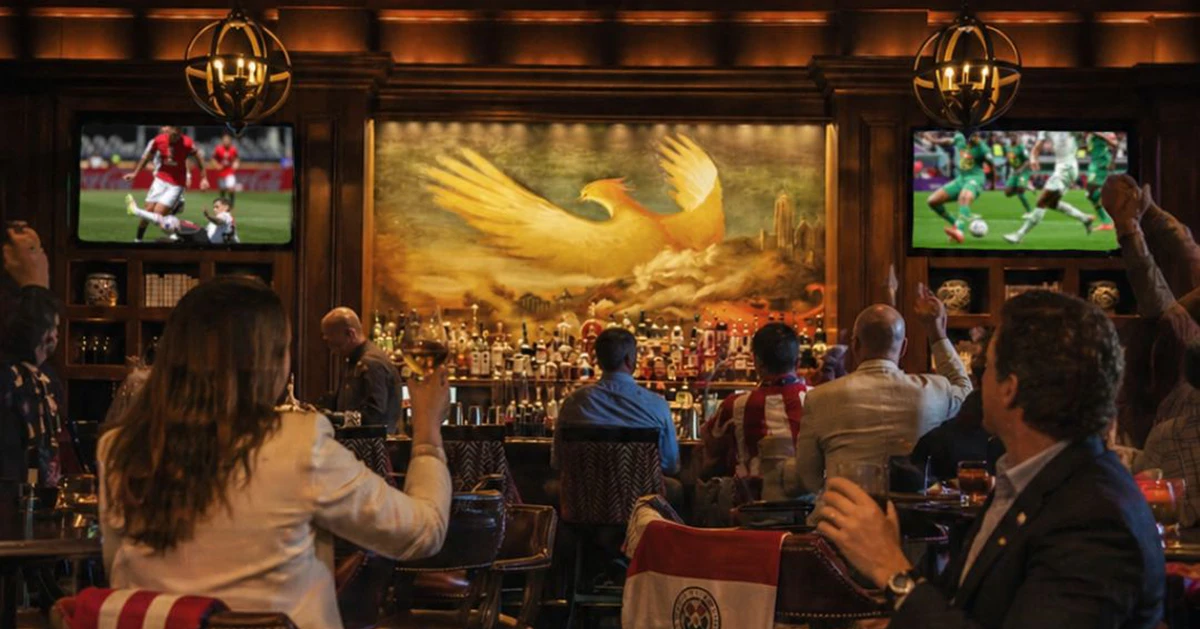
A match may anchor the schedule, but much of a visitor’s impression of Atlanta will be formed in the hours around it. Buckhead gives those hours room to unfold naturally, whether the plan includes coffee, shopping, a spa appointment, dinner or a late drink after returning from downtown.
The district’s location and walkable lifestyle make that flexibility easier to understand. Within the Buckhead core, high-end retail, chef-driven restaurants and hospitality sit close enough together that the day can change direction without requiring much advance planning.
The St. Regis Atlanta is one of the neighborhood’s established hospitality landmarks, and its position along West Paces Ferry places guests close to the retail and dining activity around Buckhead Village. During the World Cup, that makes Buckhead useful not simply as a place to stay, but as a part of the Atlanta experience in its own right.
That distinction matters because the strongest travel memories are rarely limited to the headline event. The streets walked before dinner, the restaurant discovered between plans and the places people return to more than once often become the details that make a city feel familiar.
West Paces Ferry Is Changing in Plain Sight
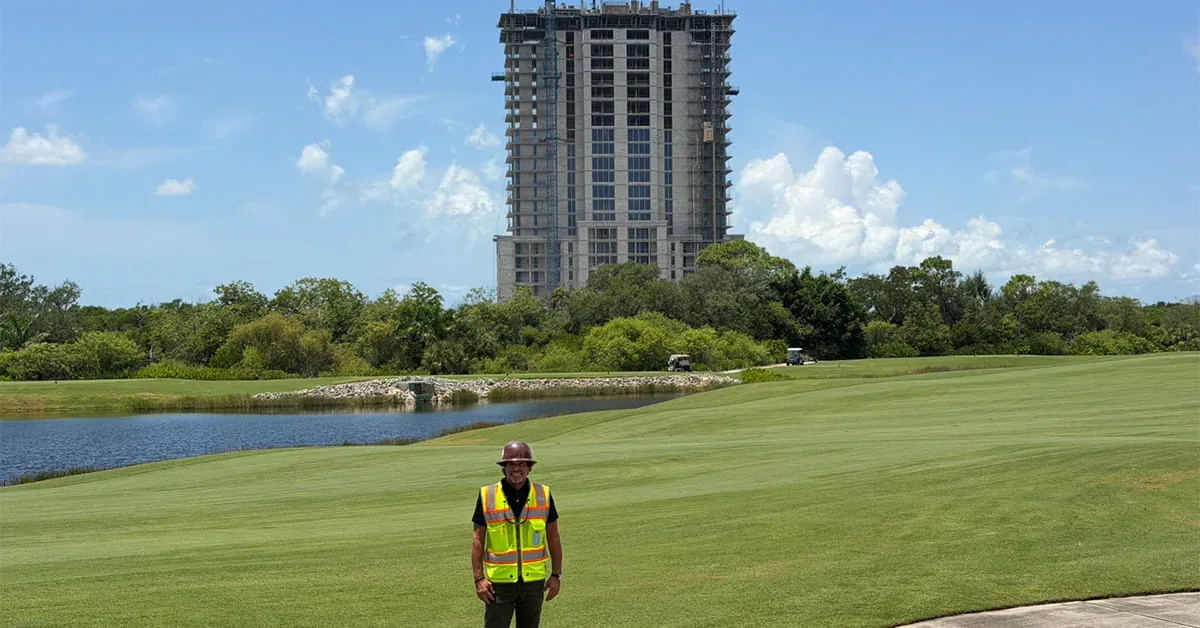
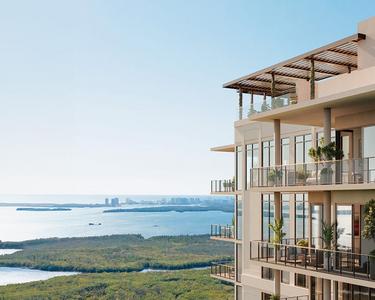
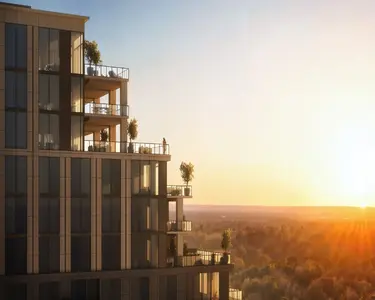
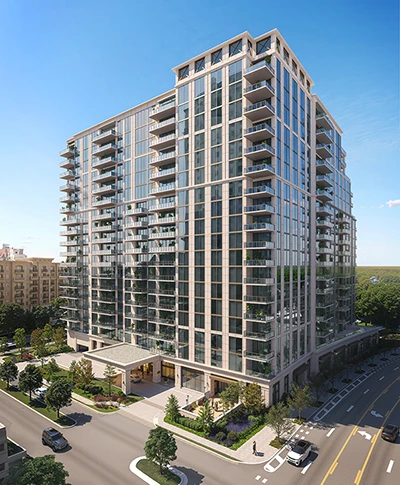
One of the most visible changes along West Paces Ferry is Elyse Buckhead, now moving through active construction beside the St. Regis Atlanta. The 20-story residential tower is Kolter Urban’s third building in the neighborhood, extending a development presence that has already helped shape Buckhead’s recent condominium market.
Elyse is planned with one- to three-bedroom residences, with pricing anticipated from $1 million as of May 2026. Its contemporary glass architecture adds a new vertical presence to West Paces Ferry while keeping the building closely connected to Buckhead Village and the surrounding street life.
By May 2026, the project had surpassed $75 million in early sales, a level of interest that gives the construction activity additional context. The tower is not appearing in isolation; it is arriving within a district where hospitality, retail, dining and residential investment are already overlapping.
That timing also reflects a larger change in how new luxury development is introduced. Cotton & Company’s perspective on luxury real estate launch strategy specifically uses Elyse Buckhead as an example of visibility building well before a project is complete. In Buckhead, World Cup attention adds another layer to a location that was already attracting interest on its own.
Elyse Buckhead Connects the Residence to the Neighborhood
The residential story becomes more meaningful when it is considered alongside the neighborhood. Elyse is positioned within walking distance of Buckhead Village, so the building’s appeal is not only about what is planned inside the tower. It is also about what can be reached outside it.
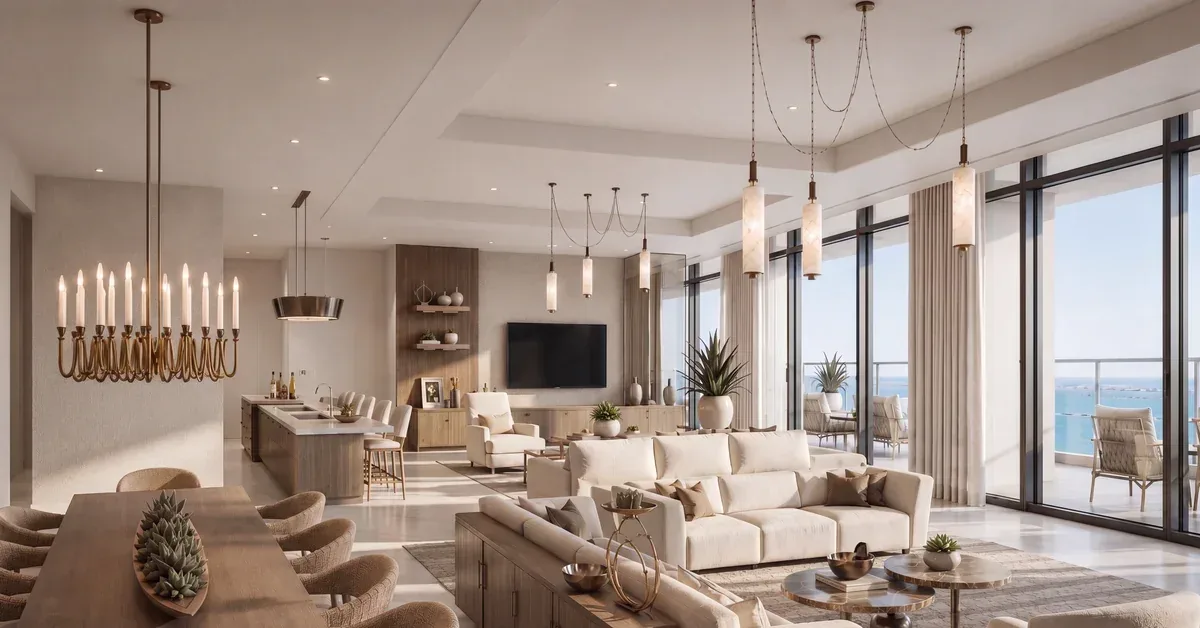
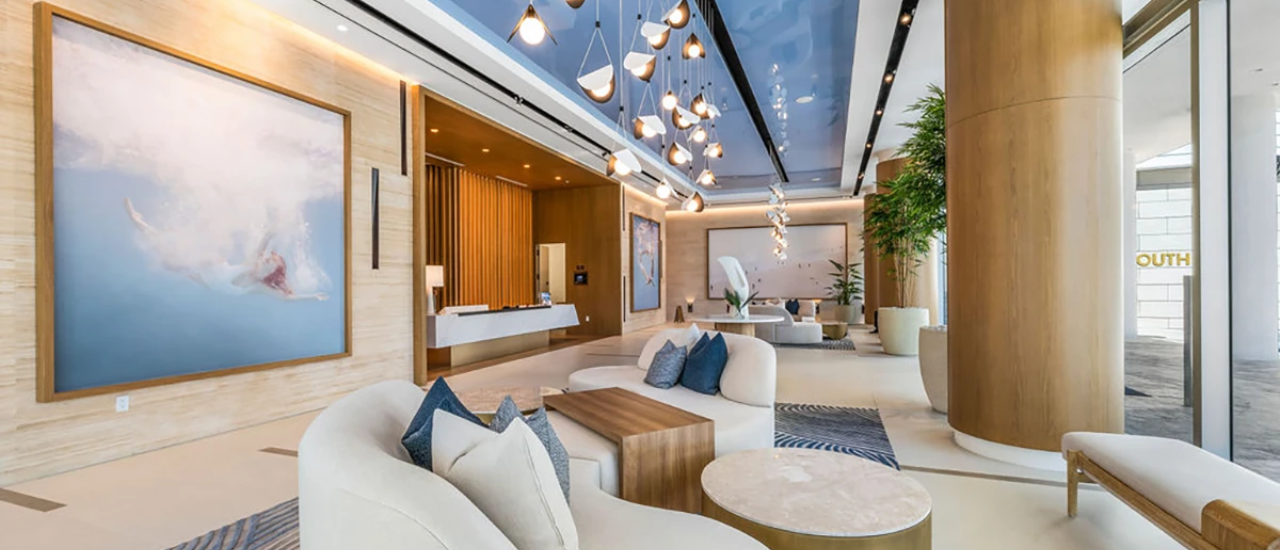
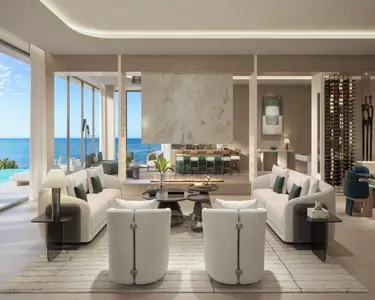
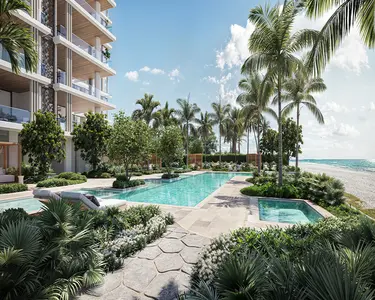
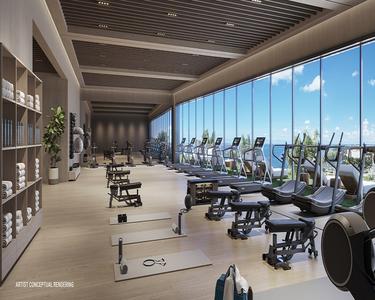
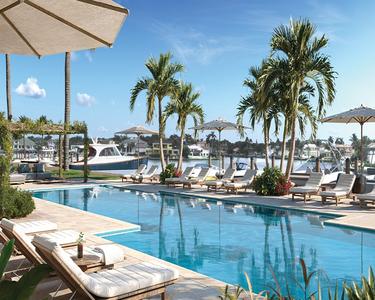
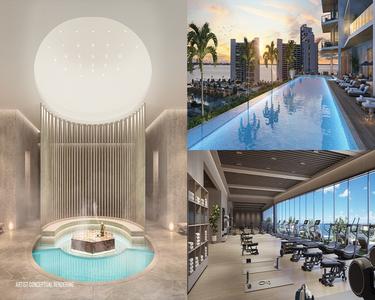
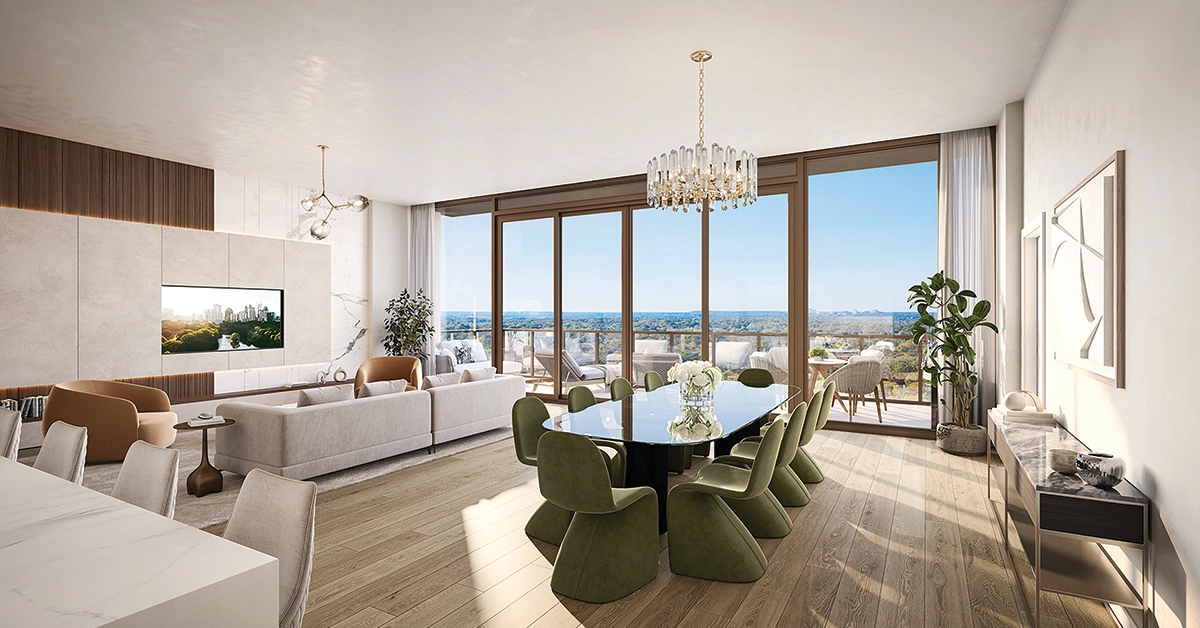
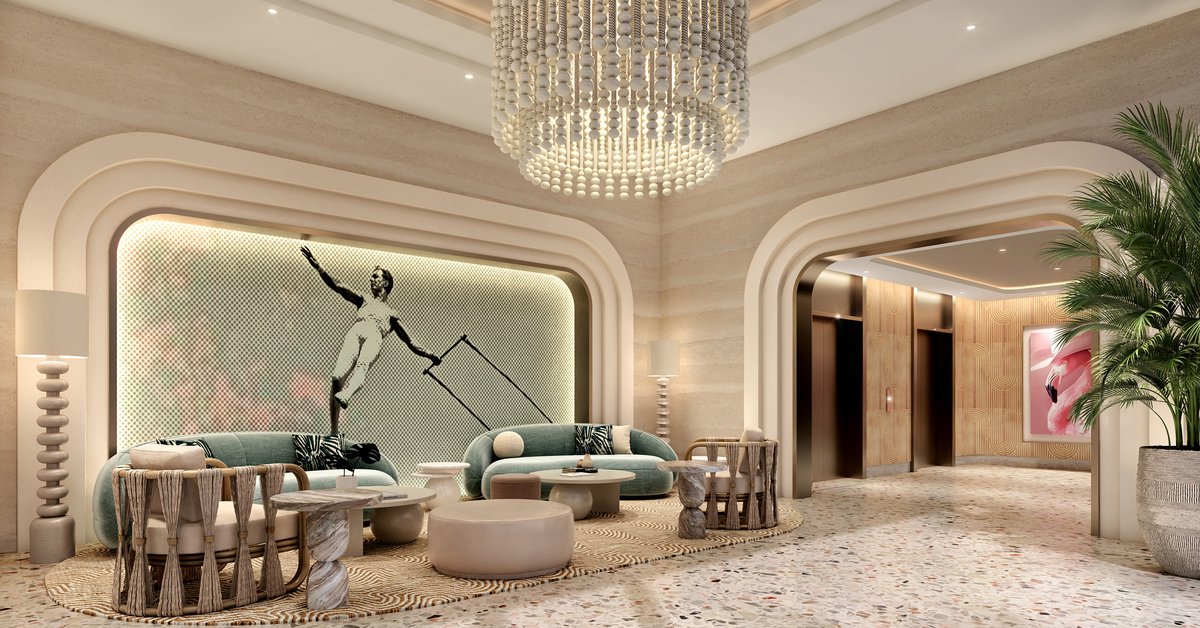
Inside the building, the Elyse Buckhead amenity program is designed to extend daily life beyond the individual residence. Wellness spaces, a private spa environment, fitness and movement studios, social lounges, and an elevated outdoor terrace with a resort-style pool create different settings for exercise, downtime, entertaining and informal gathering.
That mix supports a lock-and-leave approach without making the residence feel detached from the city. The building can provide a private home base while Buckhead supplies the restaurants, shops, hotels and cultural activity that give the address its wider context.
Kolter Urban’s broader development platform also helps explain the continuity between Elyse and the company’s earlier work. Cotton & Company’s Kolter portfolio overview provides additional context on the developer’s approach across multiple residential markets, while Elyse translates that experience into a distinctly Buckhead setting.
Early Sales Reflect a Broader Urban-Living Shift
Buckhead’s momentum also reflects a broader change in how buyers evaluate urban condominium living: not simply as a residence with a strong address, but as a way to participate more easily in the neighborhood around it.
“Buyers today are looking for a lock-and-leave lifestyle that allows them to fully engage with the neighborhood around them,” says Anne Schwall of Atlanta Fine Homes Sotheby’s International Realty. “What we’ve seen in Buckhead, and particularly Kolter Urban communities, is a strong level of early interest that reflects both the location and the way the buildings have been designed to enhance the private lifestyle of its residents.”
The point is less about one sales milestone than about the relationship between the building and its setting. A residence can provide privacy and convenience, but the surrounding district determines how easily dining, retail, hospitality and everyday errands become part of the routine.
That is also why new-development teams increasingly pay attention to more than raw lead volume. Cotton & Company’s real estate marketing and digital strategy capabilities emphasize the relationship among buyer behavior, market signals, content and sales performance. In practical terms, the same principle applies to a buyer evaluating Buckhead: the address matters most when the pieces around it work together.
Seeing Buckhead Between Matches
For World Cup visitors, Buckhead offers a useful counterpoint to the intensity of match day. The district can feel active without being defined by the event, and its strongest qualities are visible in ordinary moments: walking between shops, meeting friends for dinner, returning to a familiar hotel bar or noticing a new building taking shape on a street that already feels established.
That is what gives the neighborhood relevance beyond the tournament. A global event may introduce more people to Buckhead, but the experience they encounter — hospitality, dining, retail, residential life and a sense of connection between them — is already part of the district.
For readers who want to understand the residential side of that change, the Elyse Buckhead inquiry page provides project information and appointment details, while its Sales Gallery across from the construction site offers a closer look at what is taking shape along West Paces Ferry.
Frequently Asked Questions
What is Buckhead known for in Atlanta?
Buckhead is known for a concentrated mix of luxury retail, restaurants, hotels, private gathering places and residential neighborhoods. Around Buckhead Village and West Paces Ferry, many of those experiences sit close together, which makes the district easy to explore as part of a broader Atlanta visit.
Where is Elyse Buckhead located?
Elyse Buckhead is planned along West Paces Ferry Road adjacent to the St. Regis Atlanta and within walking distance of Buckhead Village. The location places the condominium close to the dining, shopping and hospitality that shape the neighborhood’s daily rhythm.
What amenities are planned at Elyse Buckhead?
Elyse Buckhead is planned with approximately 63,000 square feet of indoor and outdoor amenities. The program includes social lounges, private dining and entertaining spaces, a screening theater, fitness and movement areas, spa features, and an elevated outdoor terrace with a resort-style pool, giving residents multiple ways to use the building beyond their individual homes.
When is Elyse Buckhead expected to be completed?
Elyse Buckhead is expected to be delivered in late 2028. Construction timing can evolve, so current project updates should be checked when planning around a future move.
Destinations

Things To Do



Exclusives

Lifestyle Publication