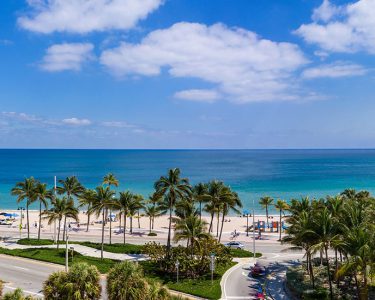
A Round Written by the Land in Hobe Sound
October 16, 2026 | Read Time: 7 minutes
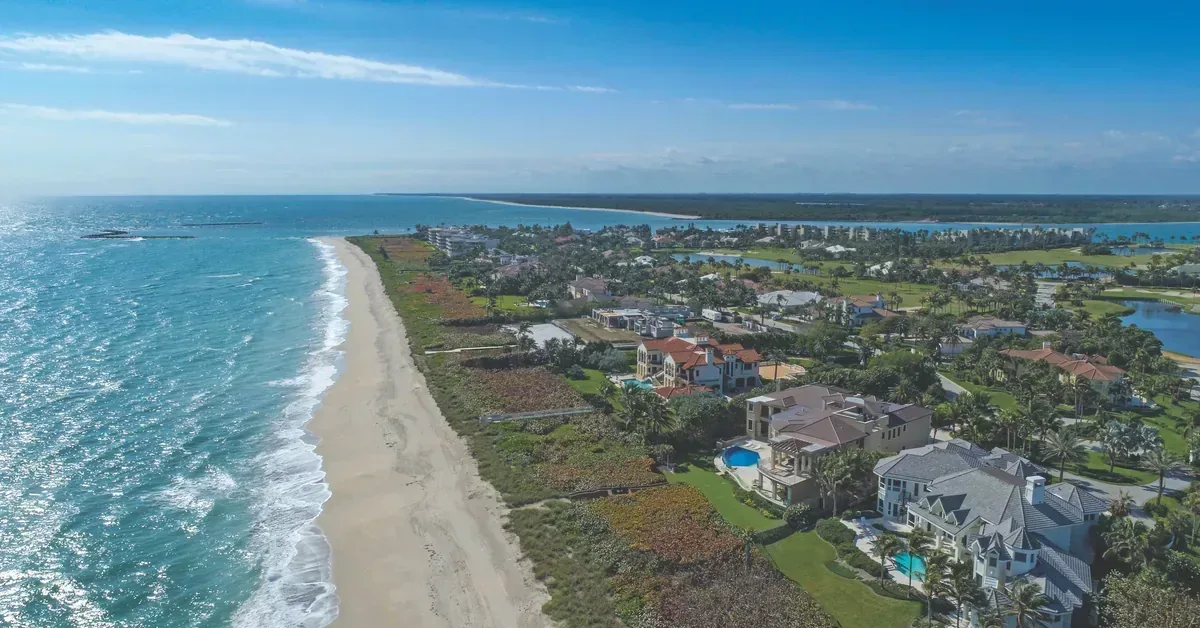
On Florida’s Treasure Coast, Hobe Sound feels distinct from the denser coastal communities to its north and south. The landscape is part of that identity: sandy ground, pine and oak, wetlands, coastal light and enough open space for the natural setting to remain visible.
Those conditions do more than define the view. They influence how people move through the outdoors, how wind and water are experienced and, on a golf course, how a player reads the ground in front of them. In a place like Hobe Sound, the land can become part of the strategy.
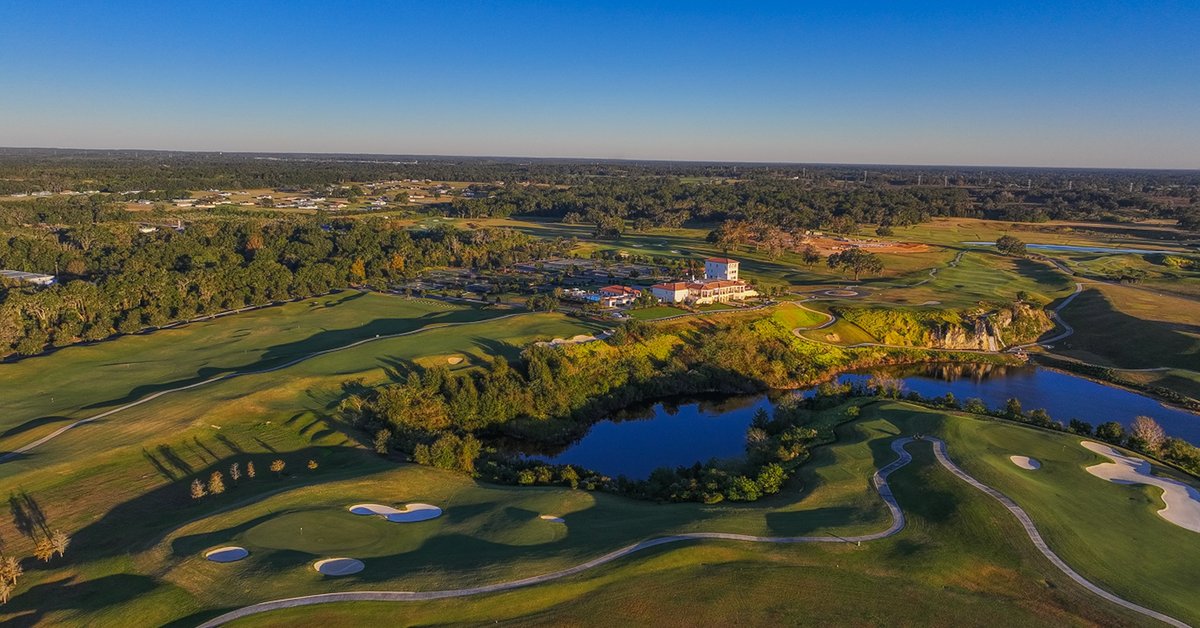
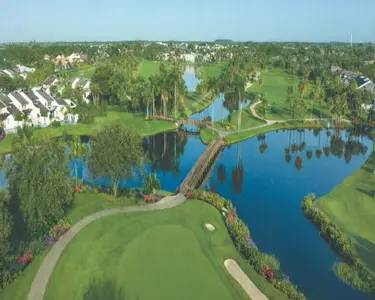
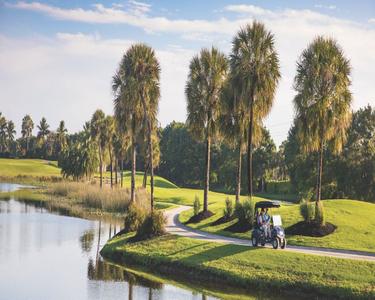
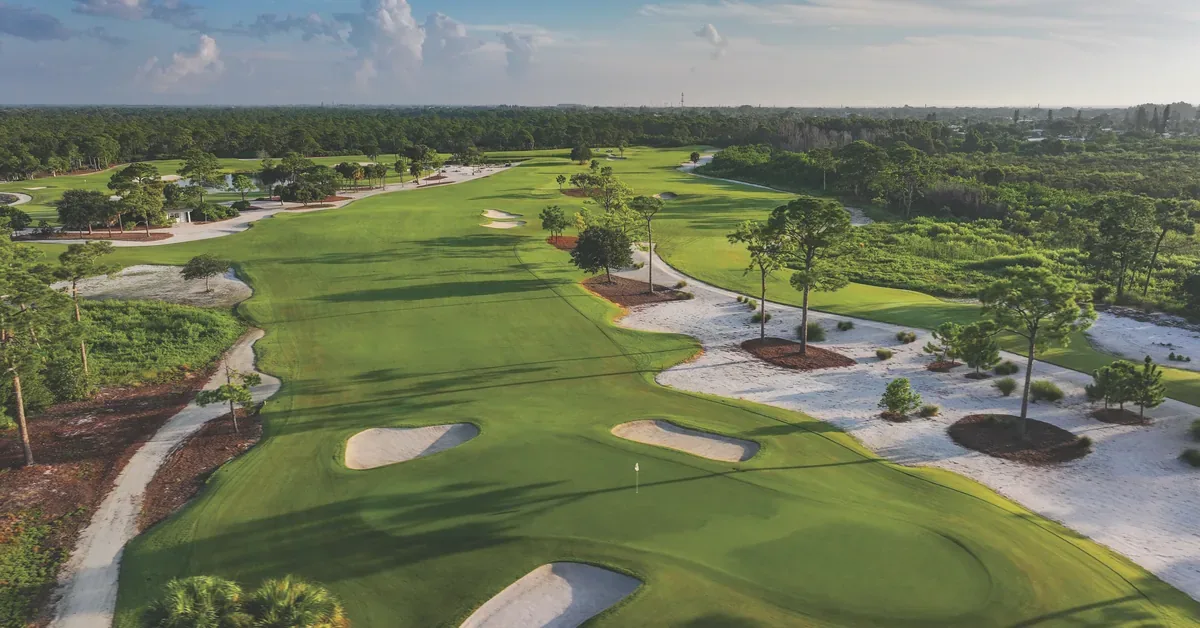
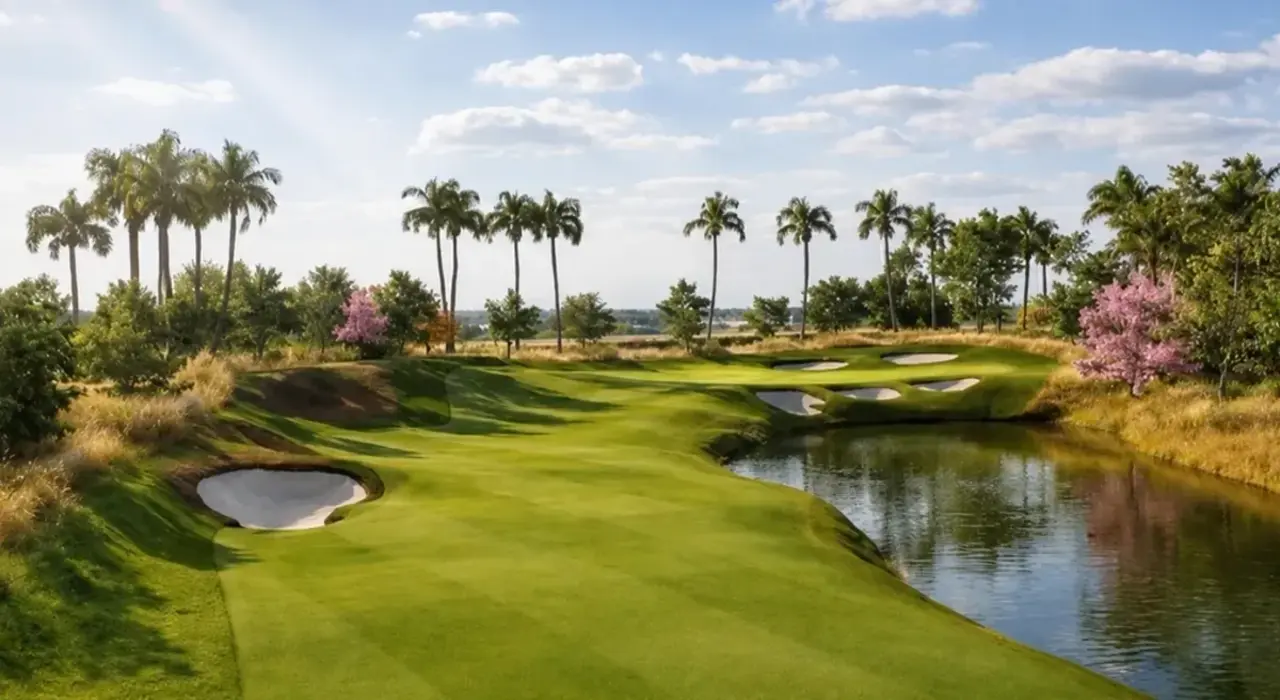
That relationship is easy to see at Hobe Sound Golf Club. The course stretches to 7,150 yards from the championship tees, but distance is only part of the test. Sandy soil, oak- and pine-framed corridors, wetlands, lakes and coastal wind affect where a golfer aims, which side of a fairway matters and how a familiar hole can change from one round to the next.
That is the premise behind strategic golf-course architecture. The USGA has noted that length alone does not make a course compelling; angles, contours, hazards and the existing land can create choices that remain interesting for players at different skill levels. At Hobe Sound, those choices begin with the place itself.
Golf Built on Ancient Sand
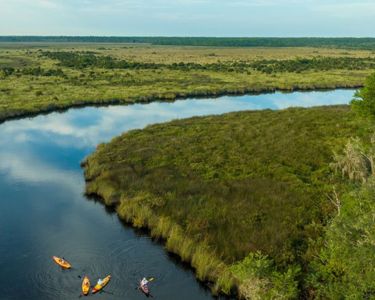
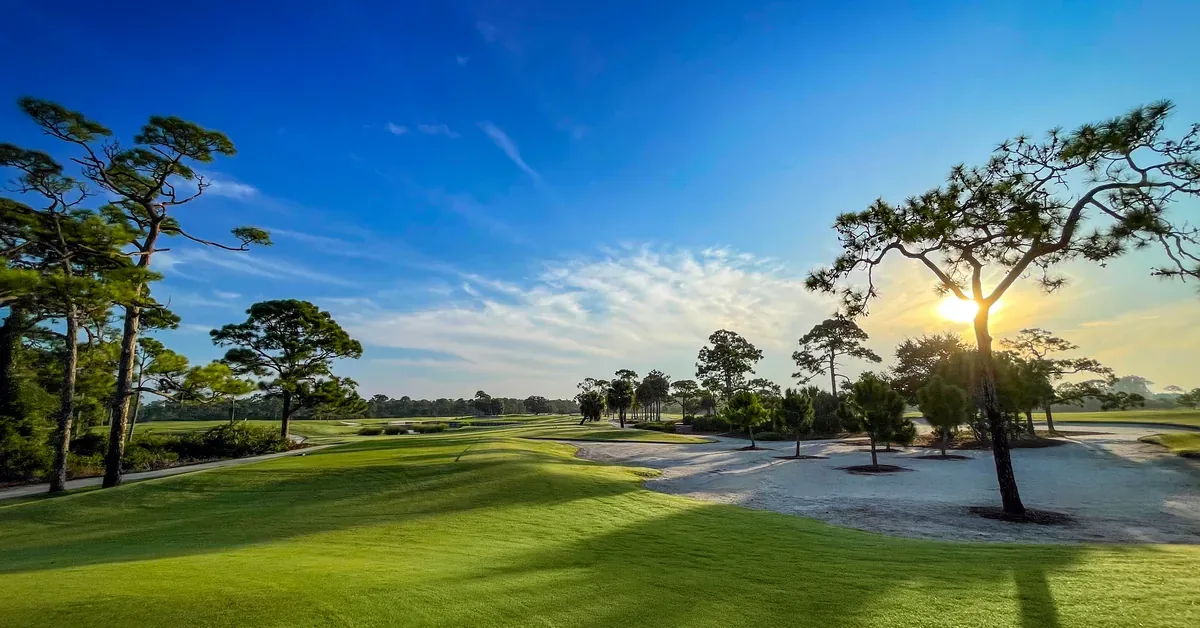
Hobe Sound sits along Florida’s Atlantic Coastal Ridge, a band of ancient dunes and higher sandy ground that parallels the southeastern coastline. At nearby Jonathan Dickinson State Park, Hobe Mountain rises from the same ridge system, part of a landscape known for sandy soils, scrub and sand-pine habitat.
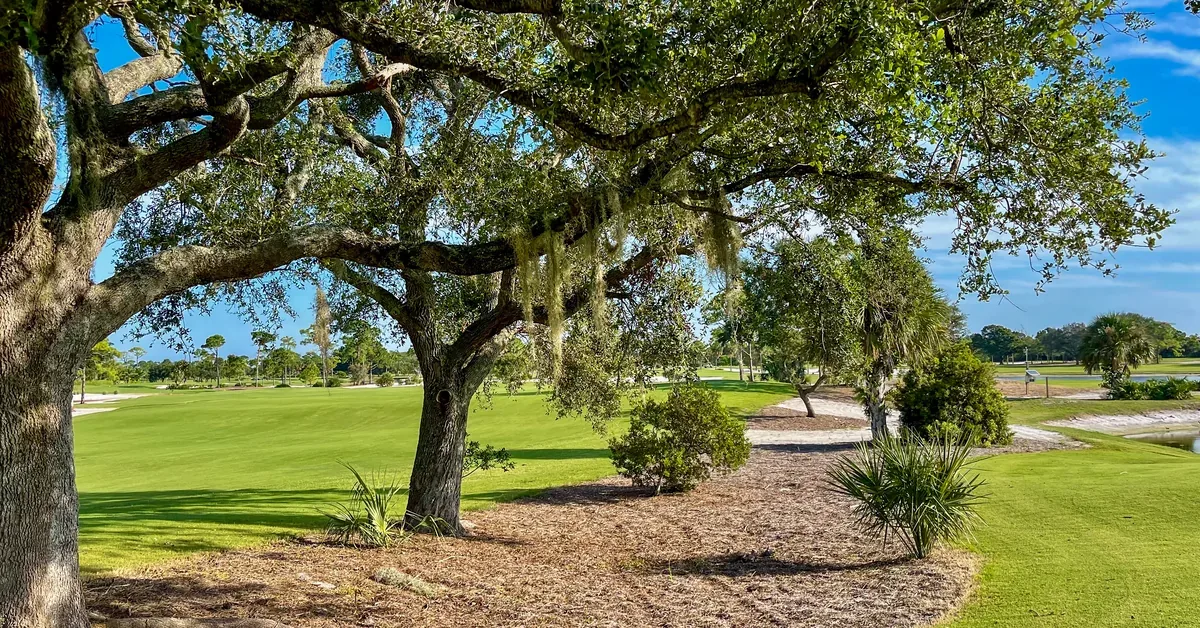
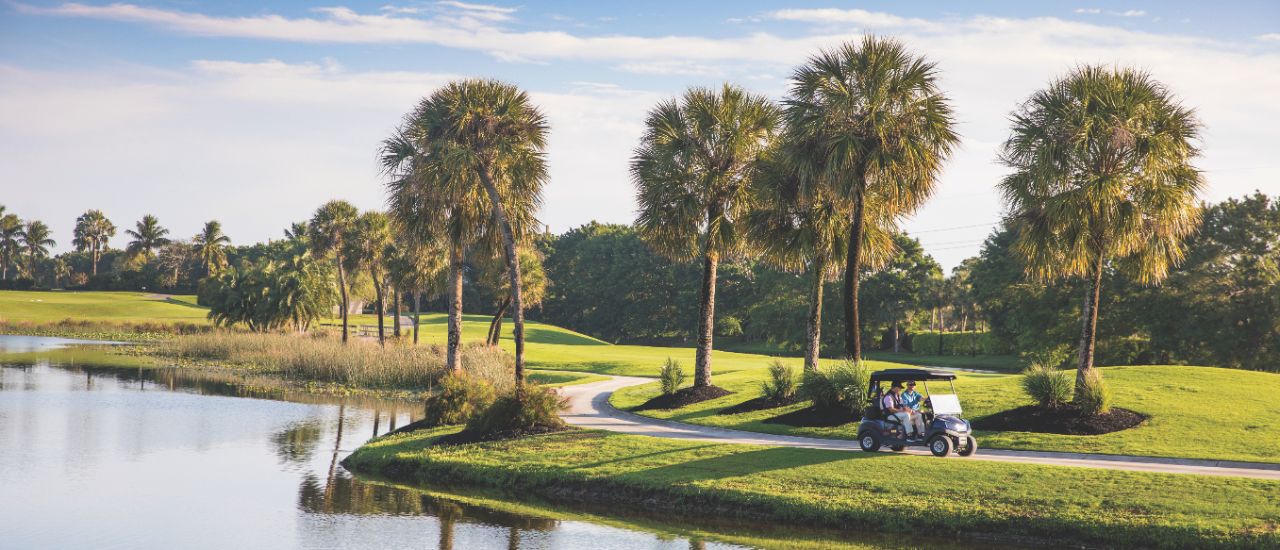
That geography helps explain why golf here can feel different from the flat, heavily developed image often associated with South Florida. Pines and mature oaks frame views. Sandy ground changes the visual texture of the course. Lakes and wetlands enter into play without becoming the only defining features.
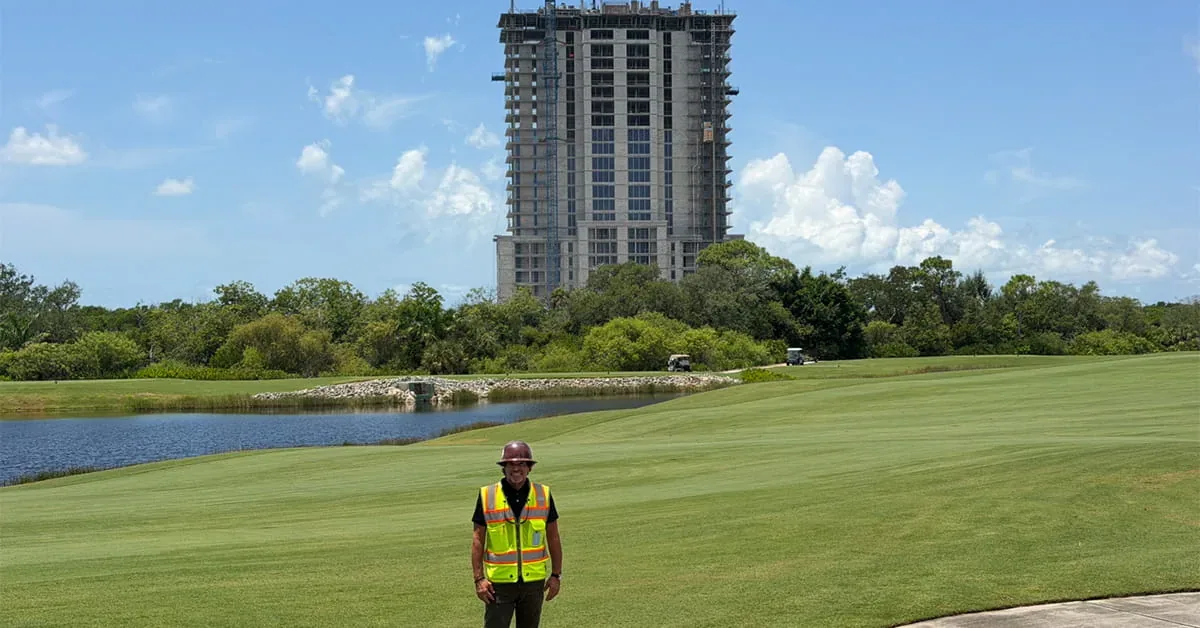
Relatively few homes directly border the fairways, allowing more of that landscape to remain visible throughout the round.
This is a managed golf landscape, but the underlying site remains legible. Trees influence sightlines. Water affects strategy. Wind changes club selection. The course feels connected to the place rather than imposed upon it.
Where Position Matters More Than Distance
Hobe Sound Golf Club does not ask every player to solve a hole in exactly the same way.
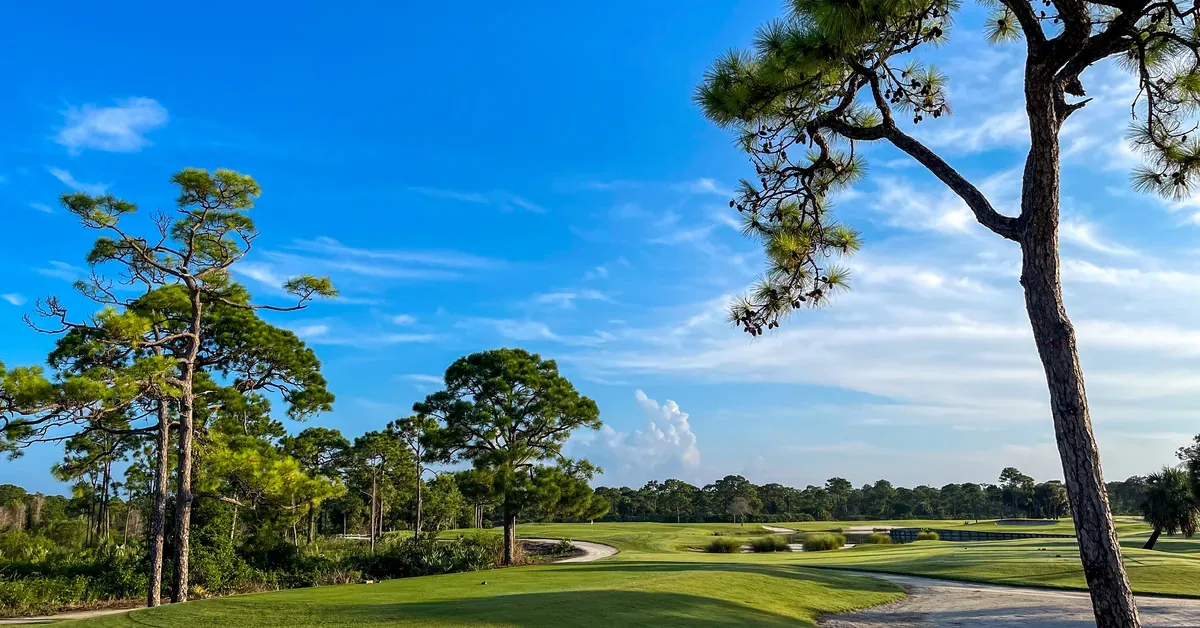
Generous landing areas can make the tee shot look inviting, but strategic bunkering and multi-tiered greens quickly make position matter. The question is often less about whether a player can reach the next target than whether the chosen angle improves the shot that follows.
That is where repeat play becomes interesting. A hole a golfer knows well can change with the pin, the wind or a more aggressive decision from the tee.
Five sets of tees and four combination options give players different ways to experience the same architecture. The 7,150-yard championship routing supplies length when desired, but yardage is not the course’s only defense. Oak-framed corridors, lakes, wetland carries and greens that reward the proper angle turn the round into a sequence of decisions rather than a simple progression of distances.
A Renovation That Knew What Not to Change
Hobe Sound’s architectural story began with Joe Lee, whose original course opened in 1988.
More than three decades later, Tom Fazio II Golf Design led a major renovation completed in 2019. The work included a new irrigation system, bunker improvements, adjusted teeing grounds and wall-to-wall regrassing with TifTuf Bermuda fairways and TifEagle greens.
The important part was not simply what changed.
Fazio II’s description of the property emphasized the sandy white soil, pines, oaks and scrub oak already present on the site. The renovation used those characteristics as part of the course’s identity rather than replacing them with a visual language unrelated to Hobe Sound.
Modernization gave the club updated turf and infrastructure while preserving the qualities that made the setting distinctive in the first place. The later work sharpened the original layout without making the land disappear beneath the renovation.
The Round Doesn’t Really End on 18
Golf also has a social afterlife.
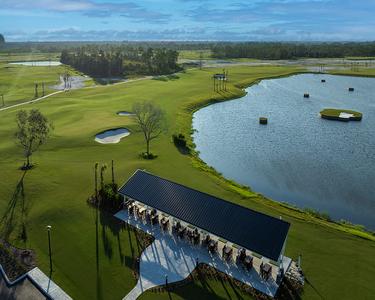
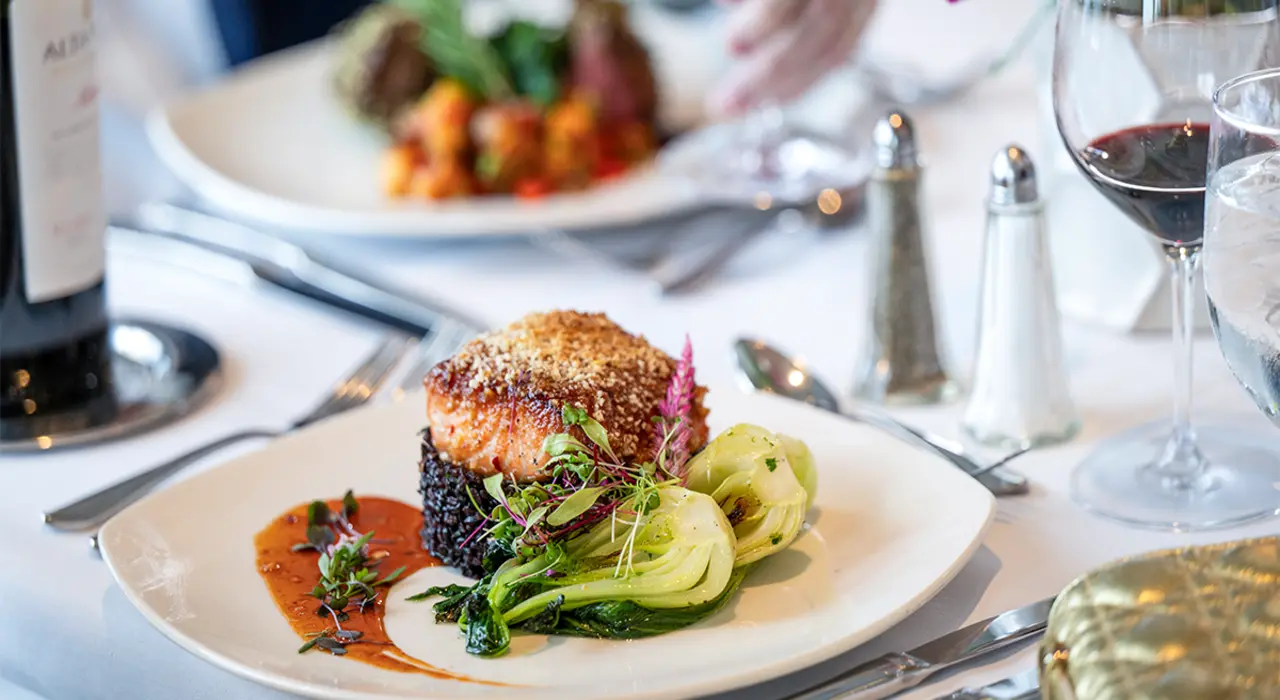
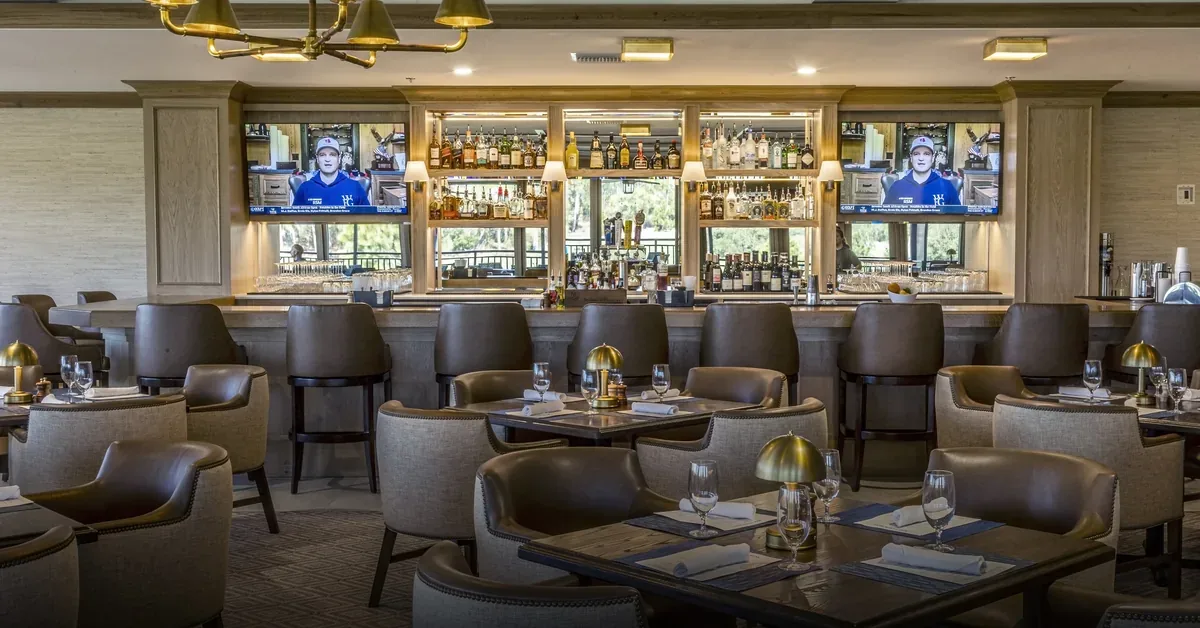
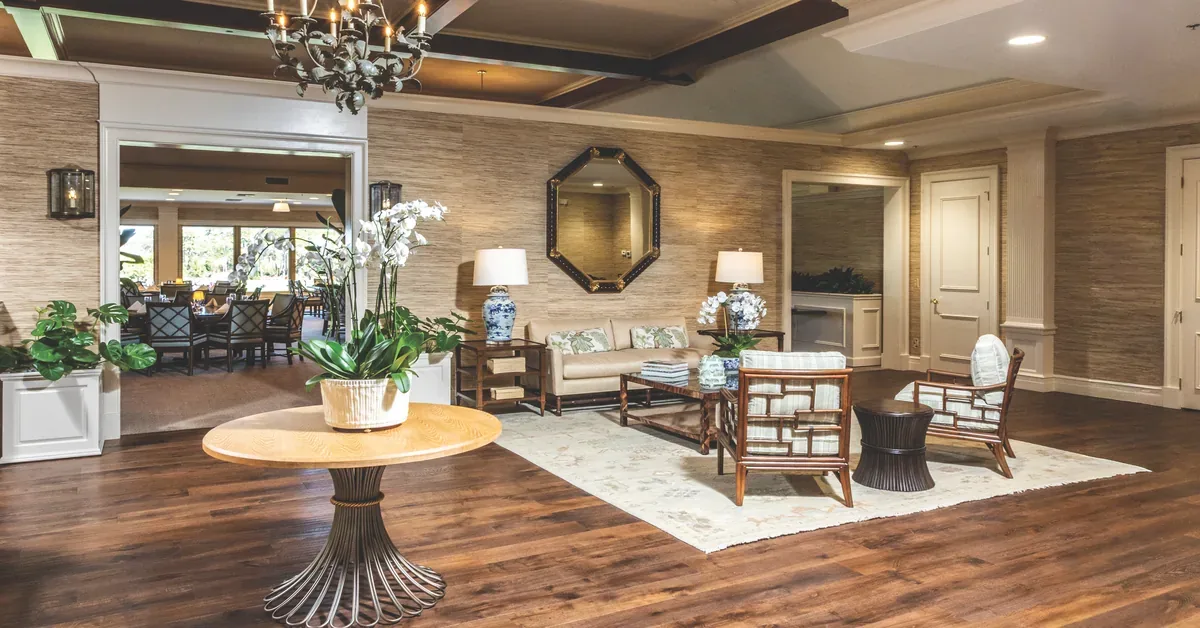
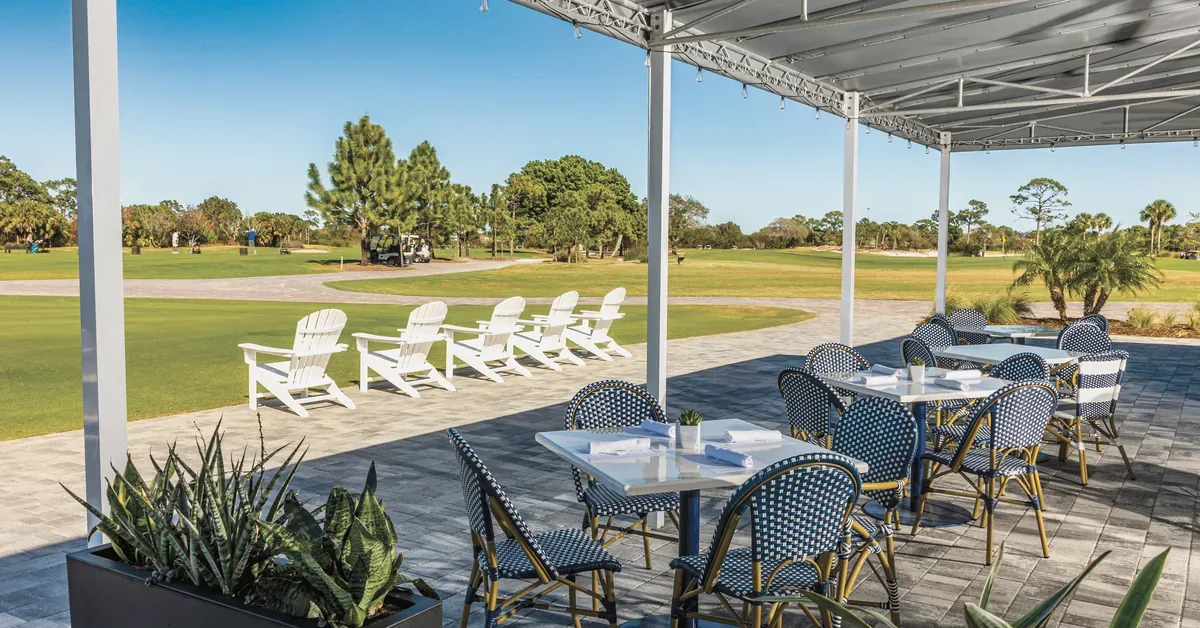
A final putt can lead to a replayed shot, an argument over club selection or lunch that lasts longer than expected. At Hobe Sound, the 19th Hole Patio, Dining Room and Bar & Lounge give that part of the day a setting overlooking the course and practice areas.
The connection matters because the clubhouse does not have to manufacture a separate experience from the golf. What happened outside gives people something to carry inside.
Rounds become stories. Competitions and clinics create shared reference points. The same players see one another again. Over time, familiarity with the course and familiarity with the people around it begin to reinforce each other.
When Familiarity Becomes Part of the Game
Hobe Sound is a private, member-owned club with limited membership and no tee times.
That access makes regular play easier. A round can be planned, but it can also happen without being scheduled weeks in advance. For golfers who return often, the benefit is not simply convenience. Familiarity reveals more of the course.
A player begins to notice how the same hole changes with the wind, the pin position or seasonal conditions. Instruction and clinics with PGA professionals create another way to stay engaged with the game when the objective is improvement rather than an 18-hole score.
The appeal is not a longer list of things to do. It is fewer barriers between wanting to play and actually playing.
That helps keep golf as the organizing idea of the club rather than one amenity among many.
A Course That Still Looks Like Hobe Sound
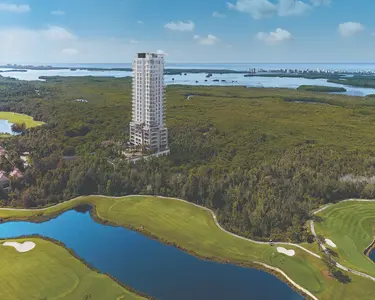
Hobe Sound Golf Club occupies about 235 acres in southern Martin County, roughly two miles from Hobe Sound Beach on Jupiter Island. Jonathan Dickinson State Park is nearby, while Jupiter, Stuart and the Palm Beaches place the club within one of Florida’s most golf-oriented coastal regions.
But the club’s strongest connection to Hobe Sound is not a list of nearby destinations.
It is visible in the course itself: sandy ground, pine and oak, wetlands, shifting light and stretches where the landscape remains more noticeable than the development around it.
Difficulty matters. Conditioning matters. Architecture matters. What gives a course lasting identity, however, is often the interaction among all three and the place where they meet.
At Hobe Sound, the land continues to influence the shot, the strategy and the experience of returning to familiar holes. The course has changed since 1988, but the setting still explains much of what makes the round memorable.
Frequently Asked Questions
Why does golf-course architecture matter beyond difficulty?
Architecture determines how a golfer interacts with the land. Width, angles, hazards, green contours and tee placement can create different routes and decisions, allowing the same hole to present different questions as conditions and strategy change.
What is the Atlantic Coastal Ridge near Hobe Sound?
The Atlantic Coastal Ridge is a series of ancient dunes and higher sandy ground running along Florida’s southeastern coast. Around Hobe Sound and Jonathan Dickinson State Park, those conditions support sandy soils and distinctive scrub and sand-pine habitat.
What changed at Hobe Sound Golf Club in the 2019 renovation?
Tom Fazio II Golf Design led a renovation that included a new irrigation system, bunker improvements, adjusted teeing grounds and wall-to-wall regrassing. The course now features TifTuf Bermuda fairways and TifEagle greens while retaining the established landscape characteristics of the site.
What can make Treasure Coast golf feel different from golf elsewhere in South Florida?
Courses on the Treasure Coast can draw from a mix of sandy soils, pine and oak landscapes, wetlands and Atlantic-influenced conditions. At their best, those characteristics affect sightlines, strategy and shot selection rather than functioning only as scenery.

Destinations
Things To Do

Exclusives

Lifestyle Publication