Why Waterfront Homeowners are Rethinking Their Next Move in Naples
October 27, 2026 | Read Time: 5 minutes
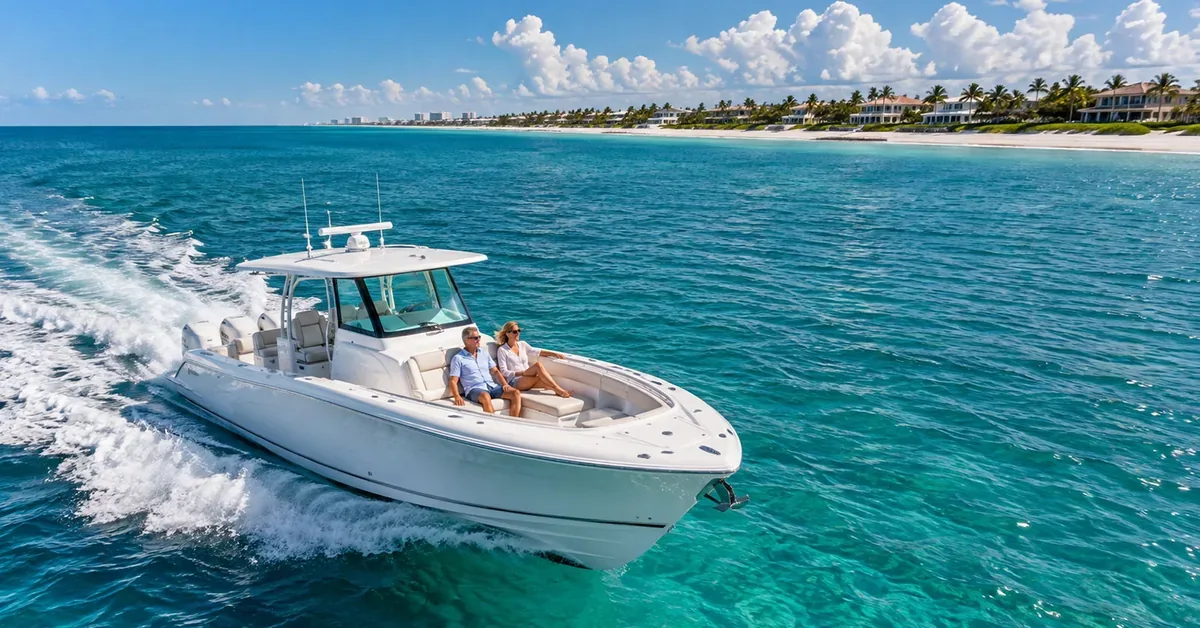
For homeowners accustomed to stepping outside and finding their boat waiting at the dock, the decision to move into a condominium is rarely as simple as downsizing. A newer residence may promise greater convenience, less maintenance and more freedom to travel. But what happens to the waterfront lifestyle they’ve spent years enjoying?
In Naples, where boating is woven into the appeal of coastal living, that question can influence everything from the neighborhood a buyer considers to the type of property they’re willing to purchase. And as seasonal residents begin returning to Southwest Florida, it’s a question worth examining.
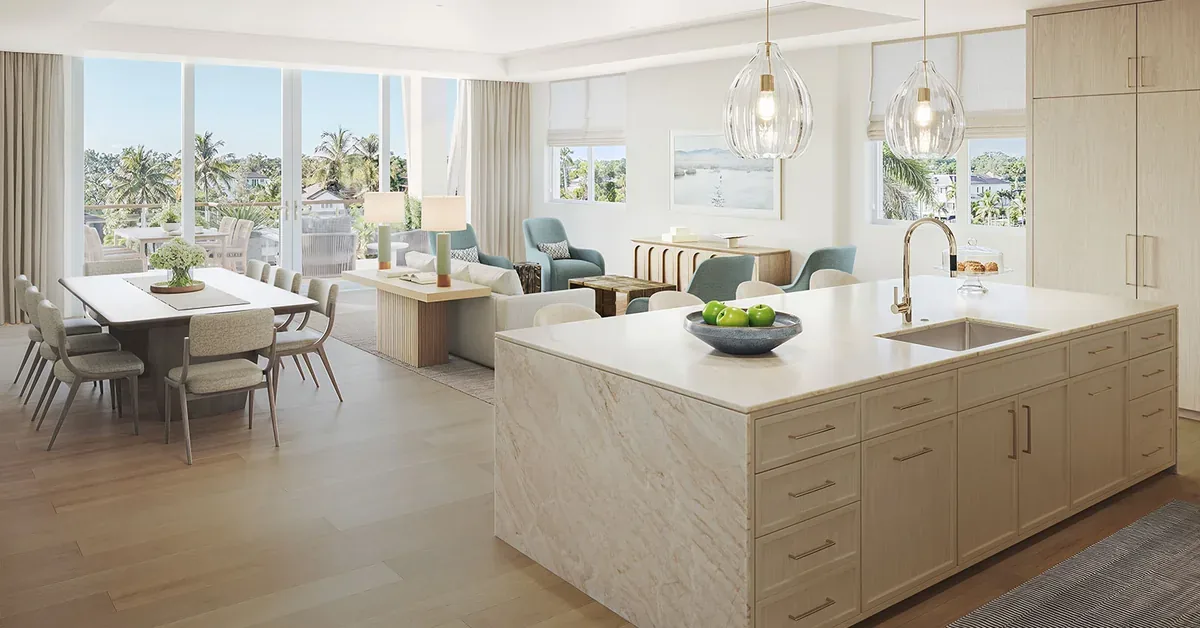
A Naples Market That Rewards Specificity
Naples enters the winter season with a real estate market that is active but increasingly selective. In September 2026, overall closed sales increased 2.5 percent from a year earlier while inventory declined 17.3 percent. Year-to-date sales were up 15.1 percent, according to the Naples Area Board of REALTORS®.
Those figures suggest a market where activity continues, even as available inventory contracts. For buyers with specific requirements, particularly those seeking both boating access and newer condominium construction, the challenge isn’t simply finding a residence. It’s finding a property that delivers the particular lifestyle they want to preserve.
A condominium can offer new interiors, services and amenities. It can reduce the maintenance responsibilities that come with a large single-family property. What it cannot manufacture after the fact is the relationship between the site, navigable water and the Gulf.
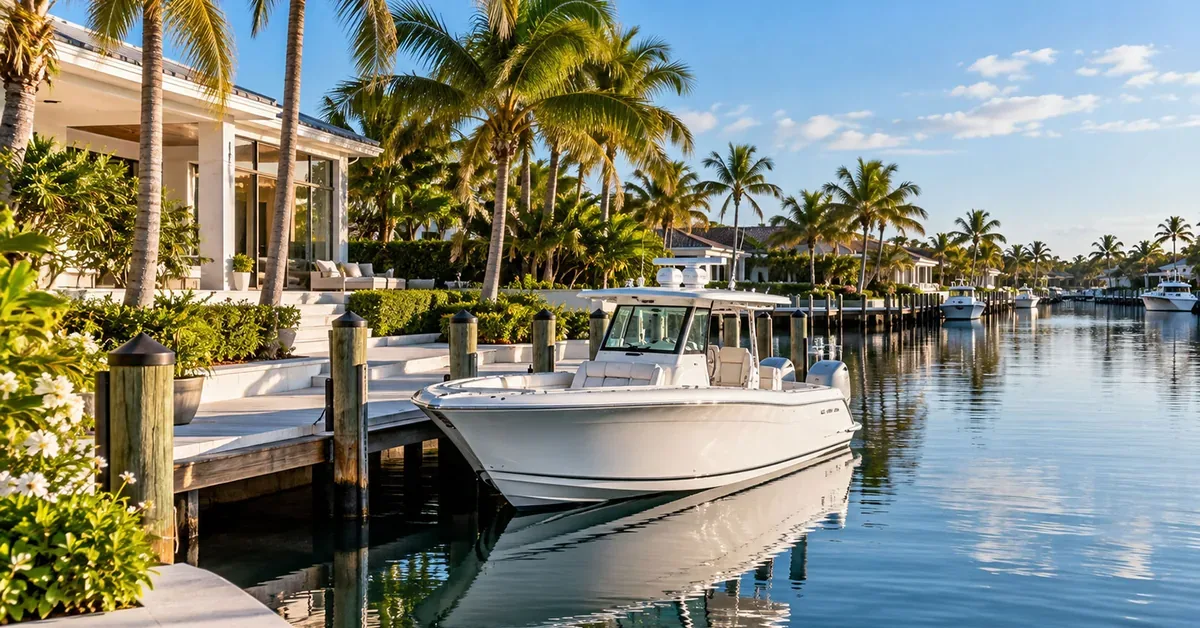
A Waterfront Address Is Not the Same as Boating Access
For someone accustomed to keeping a boat behind a home, moving into condominium living can introduce a tradeoff that is easy to underestimate.
The residence may still be near the water. The beach may be close. The views may be compelling. But actual boating utility depends on a different set of questions: Is there dockage on site? Is it private or shared? What size and number of slips are contemplated? What route connects the property to open water? How much navigation stands between the dock and the Gulf?
Permanent dockage itself is not unlimited in Naples. According to NaplesGov.com, the Naples City Dock currently maintains a waiting list for annual slips; city information published in 2026 described roughly 90 names on that list and an estimated wait of five to six years. That municipal waiting list is not a proxy for every private dock in Naples, but it illustrates a larger reality: dependable, long-term dockage is infrastructure with physical constraints. Those constraints make the particulars of a waterfront property more important than the word “waterfront” alone.
The Combination Gets Rarer With New Construction
The equation becomes narrower still when a buyer adds new construction and proximity to downtown Naples.
Established waterfront neighborhoods have long offered private homes with dockage. Newer condominium communities can provide a different ownership experience, with less day-to-day property oversight and contemporary design. But bringing those two ideas together, new construction and meaningful boating access, depends on having the right site to begin with. Add proximity to downtown Naples, and site selection becomes even more consequential.
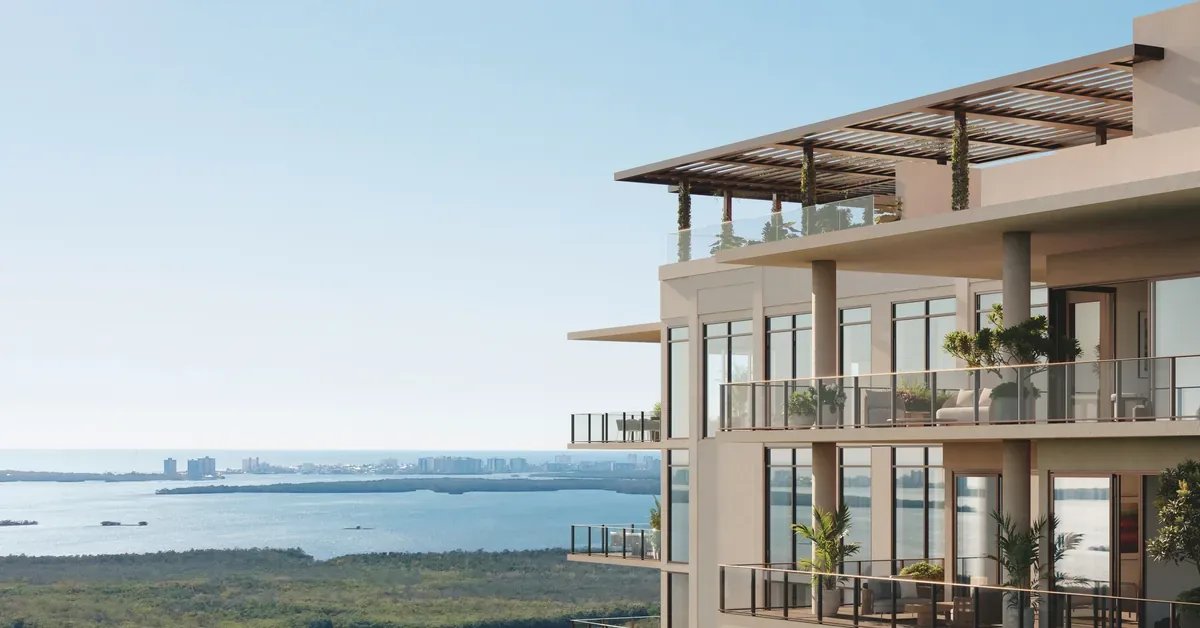
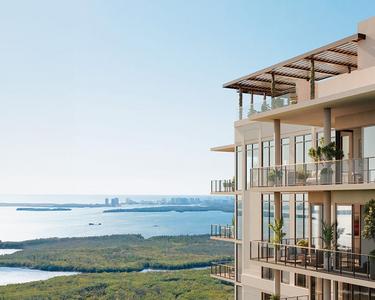
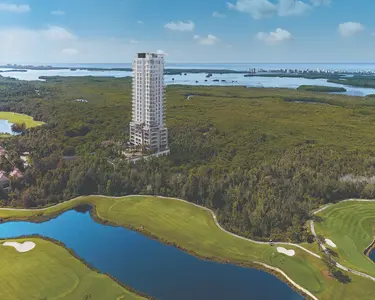
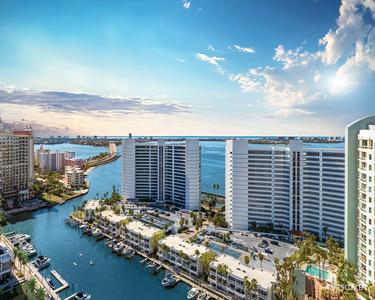
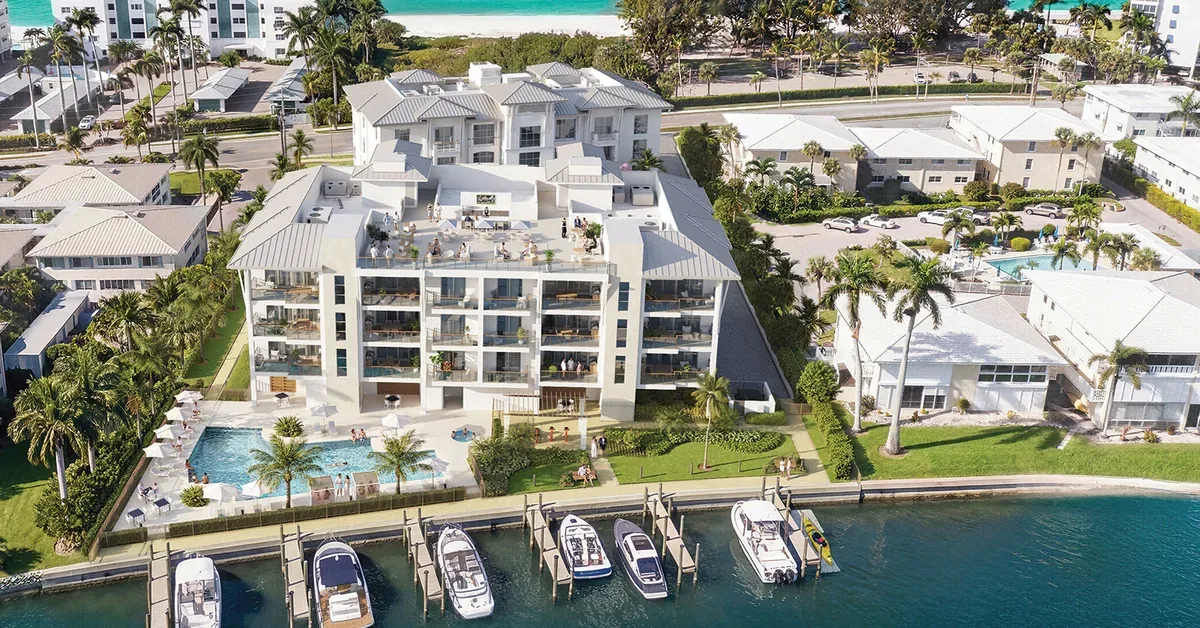
In a market with limited availability, 2020 Gulf Shore represents a unique opportunity in Naples today. Priced from $4.6 million, this pre-construction boutique condominium offers Gulf-to-Bay views. The property is located south of Doctors Pass, positioning boaters for a direct route toward the Gulf while remaining close to the dining, shopping and cultural activity of downtown Naples.
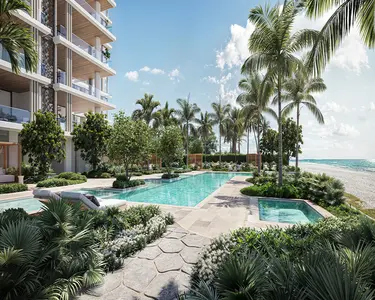
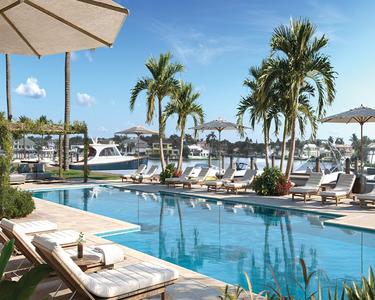
One example of this combination is 2020 Gulf Shore, a planned boutique condominium development south of Doctors Pass. With just 18 residences and 11 private boat slips, the property brings together Gulf-to-Bay positioning, access to the Gulf and proximity to downtown Naples. Newly released floor plans are priced from $4.625 million.
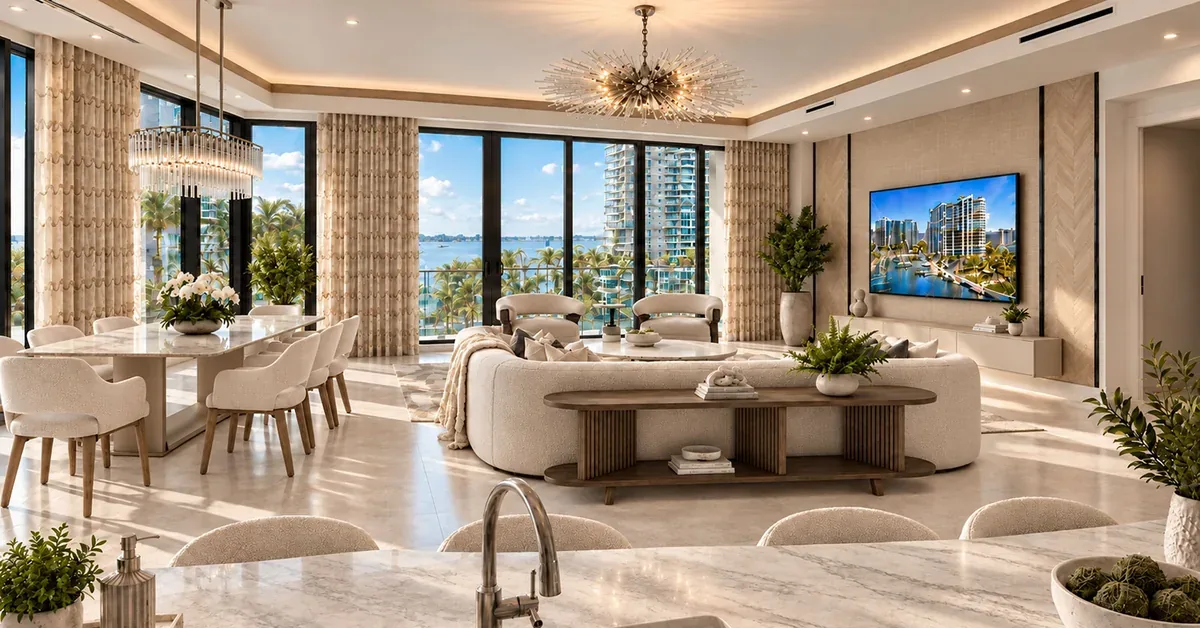
Development Vision Starts With Recognizing the Site
Sites with this combination do not become more valuable because a development team says they are rare. Their value comes from the physical conditions already present, and from recognizing what those conditions can support.
The development is managed by Golub & Company and Barron Collier Companies, combining national development experience with deep roots in Southwest Florida. The decision to limit the offering to 18 residences reflects the property’s boutique positioning, with waterfront access and proximity to downtown Naples central to its appeal.
For homeowners already familiar with boating in Naples, the significance is practical. They understand the difference between keeping a boat close to home and relying on off-site marina facilities. They also recognize the freedom that comes with reducing the maintenance demands of a larger waterfront property.

Understanding Naples from the Water
For buyers evaluating waterfront properties, the Naples Boating Guide offers an introduction to local waterways, Doctors Pass and the geographic considerations that influence boating access. It’s a useful resource for understanding why waterfront locations that appear similar on a map can offer very different experiences on the water.
The guide also helps explain why two waterfront residences can offer very different boating experiences. Route, dock configuration and location matter long before finishes or furnishings enter the conversation.
As winter approaches and attention turns south, that may be the more useful way to evaluate Naples real estate: not simply by asking whether a residence is on the water, but by asking what the water actually makes possible.
For Naples homeowners considering a move from a waterfront house to a condominium, the most important question may not be what they’re leaving behind, but what they want to preserve. With the right address, a move to newer condominium living can mean fewer responsibilities without surrendering the experiences that made waterfront ownership so appealing in the first place.

Destinations

Things To Do


Exclusives




Lifestyle Publication