The New South Florida Search Is About Lifestyle, Not Latitude
September 29, 2026 | Read Time: 8 minutes
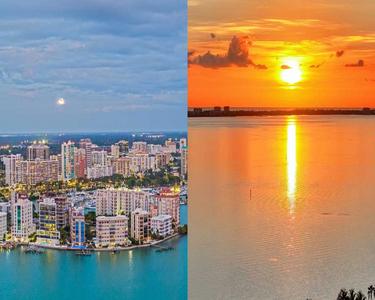
For years, a move from the Northeast to South Florida could sound like a question of geography: Palm Beach, Boca Raton, Fort Lauderdale or Miami. But the more useful question is becoming less about how far south someone wants to go and more about what they want an ordinary day in Florida to feel like.
Is boating something reserved for the weekend, or something that can begin a few minutes after breakfast? Is the priority a dense social calendar, walkable dining and shopping, a private-club routine, more access to nature, or some combination of all four? Once those questions come first, South Florida stops looking like one lifestyle stretched across a map.
That is one reason the Treasure Coast deserves attention in the broader South Florida conversation. The point is not that Stuart is replacing Palm Beach. It is that buyers who widen the search can compare very different versions of coastal life – and make the decision around how they actually want to spend their time.
South Florida Is No Longer One Lifestyle
The broader migration story is still significant. In the first half of 2026, MIAMI REALTORS reported that out-of-state driver-license exchanges across Miami-Dade, Broward, Palm Beach, Martin and St. Lucie counties rose 16% from the year before. New York exchanges increased 9% and New Jersey exchanges 8%.
The county-level detail matters, however. Martin County itself recorded 3% fewer out-of-state exchanges during that period, so the data should not be read as proof of a migration surge specifically into Stuart or Hutchinson Island. What it does show is continued movement into the broader South Florida region while buyers have more markets to compare once they arrive.
Separate housing data shows why Martin County remains part of that comparison. In July 2026, Martin County sales at $1 million and above increased 45.16% year over year, according to MIAMI REALTORS. Earlier in the year, Stuart also recorded the most million-dollar sales among the Martin County markets analyzed in the association’s first-quarter luxury report. Those numbers do not define the lifestyle, but they do show that buyers looking north of Palm Beach are entering an established luxury market rather than an untested alternative.
Palm Beach Can Be the Benchmark Without Being the Blueprint
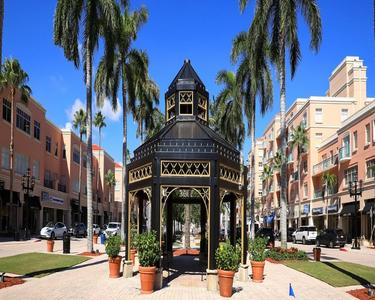
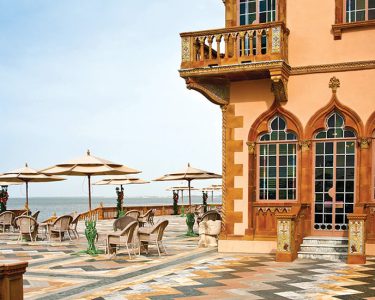
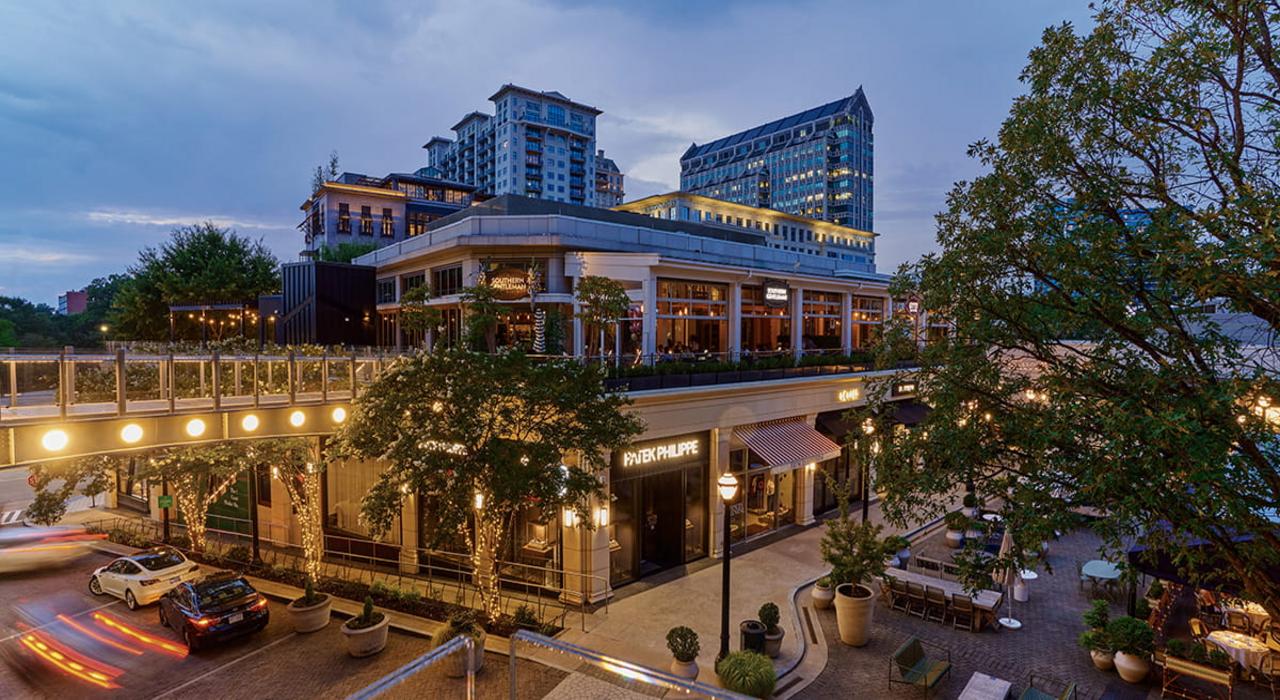
Palm Beach has earned its place as one of South Florida’s best-known luxury destinations. Its dining, shopping, cultural institutions, private clubs and social scene create a highly established version of coastal life. For many Northeast buyers, it is a natural starting point because the market is familiar before the home search even begins.
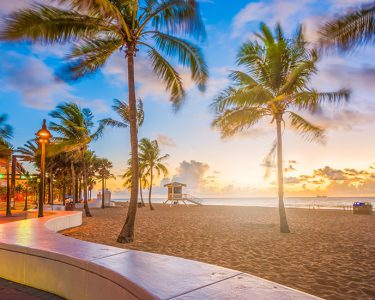
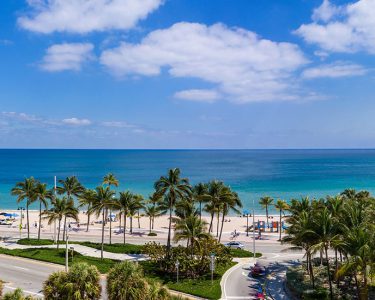
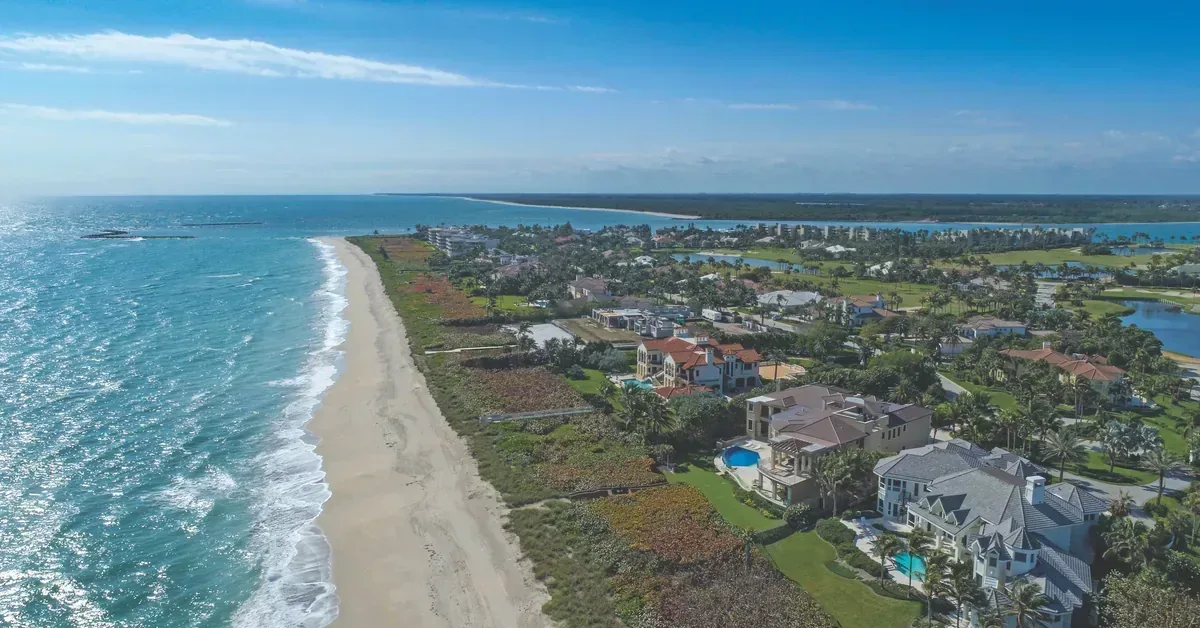
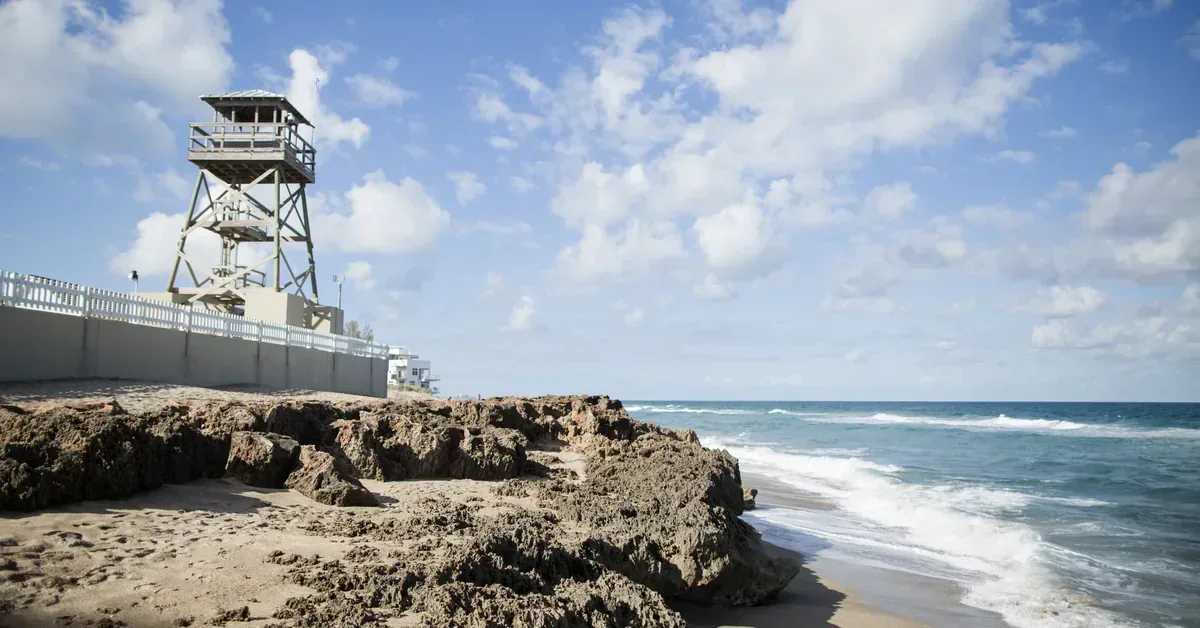
Looking north changes the comparison. Stuart and Hutchinson Island are not trying to recreate Palm Beach at a smaller scale. The Treasure Coast puts more of the emphasis on shoreline, waterways, boating, lower-density residential settings and the slower transitions between home, beach and town. Discover Martin County describes the area’s beaches in terms of peaceful shorelines, natural dunes and an Old Florida character – a very different daily backdrop from a more urban coastal center.
That difference is the lifestyle decision. A buyer may still want dinner in Palm Beach, an airport connection through Palm Beach International, or the cultural reach of the broader region. But home does not have to reproduce the same energy. In Stuart, the appeal can be returning to a place where the water, neighborhood and club routine carry more of the day.
The Search Changes When the Water Starts Running the Day
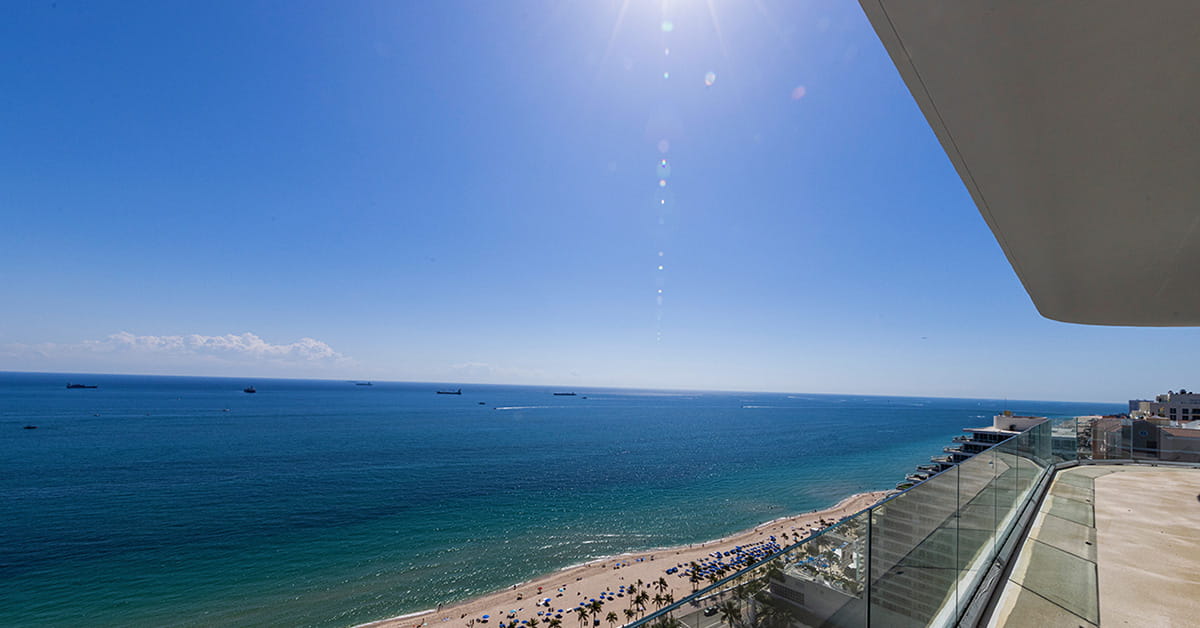
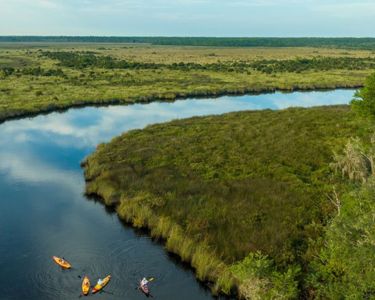
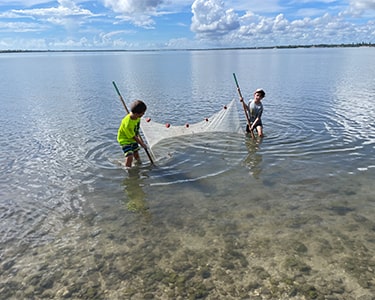
Around Stuart, the Atlantic Ocean, St. Lucie River, Indian River Lagoon and a network of waterways do more than create views. They shape recreation and how people move through the area. Martin County’s tourism resources treat boating, paddling, sailing and beach access as everyday parts of the destination, not occasional add-ons. Boating and paddling options are spread across Stuart, Jensen Beach and Hutchinson Island, while the barrier island itself gives the region a long stretch of Atlantic shoreline.
This is where the home search becomes more personal. For someone who wants to fish before lunch, paddle in the afternoon or keep a boat close enough that going offshore does not require turning the day into a project, proximity to the water means something different than a distant view from a terrace.
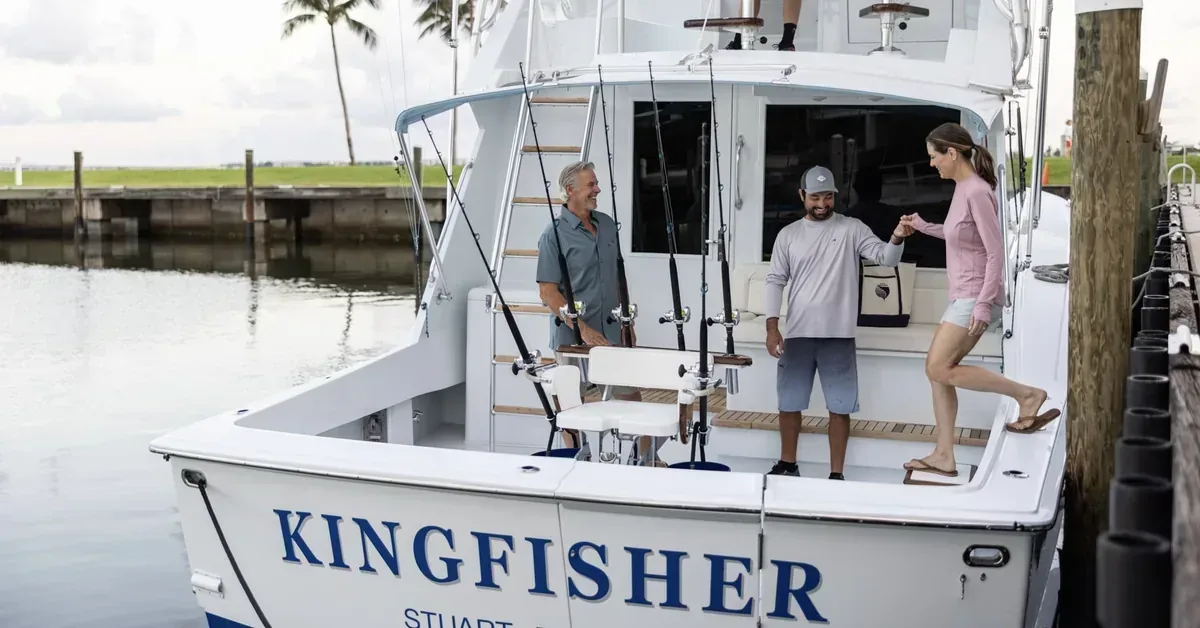
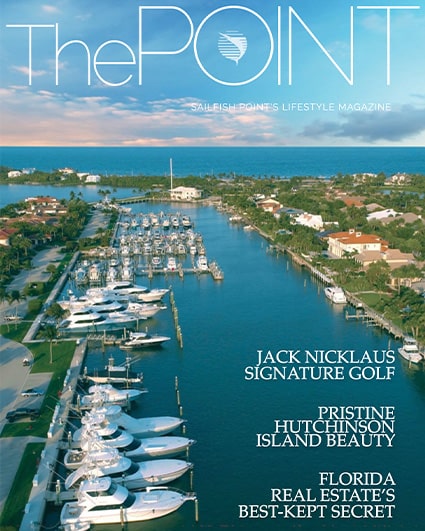
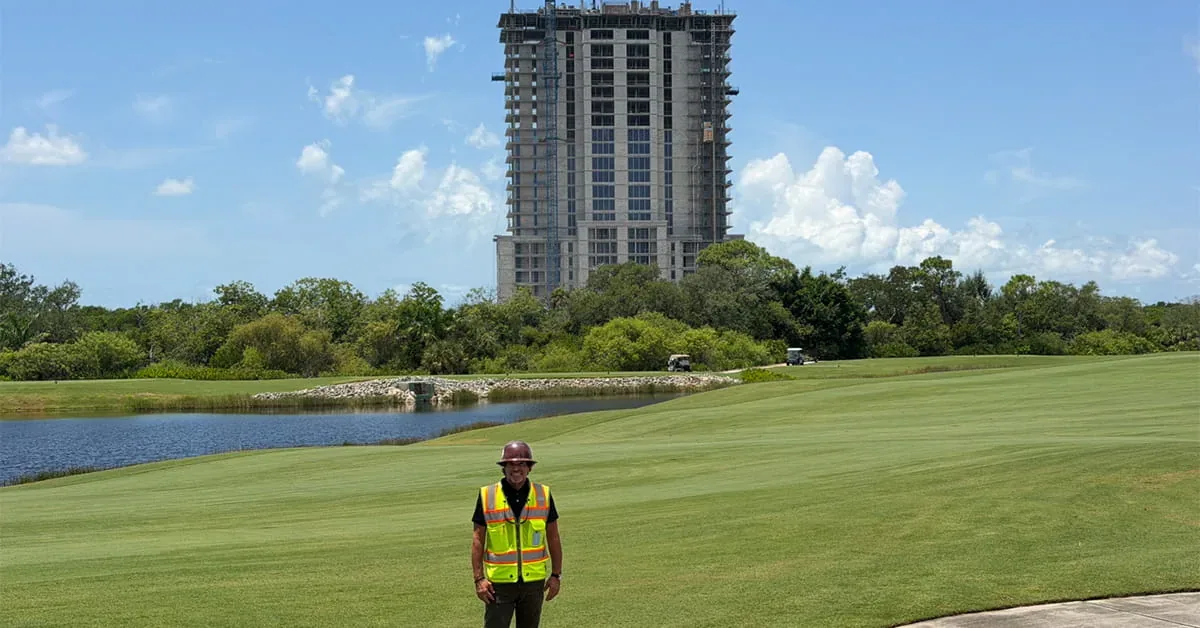
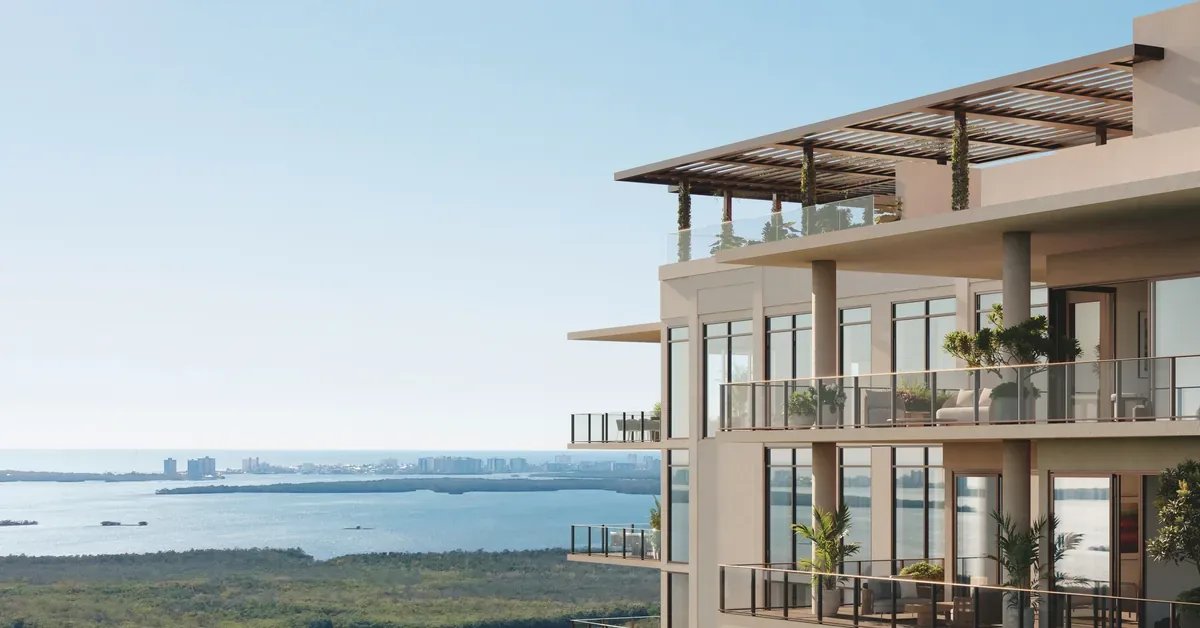
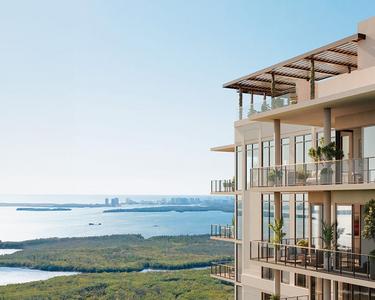
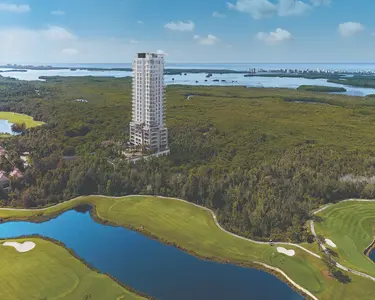
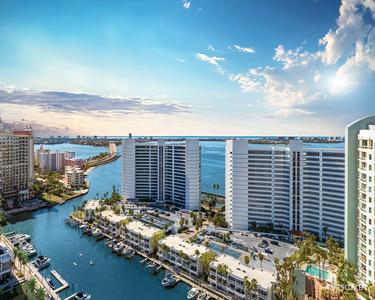
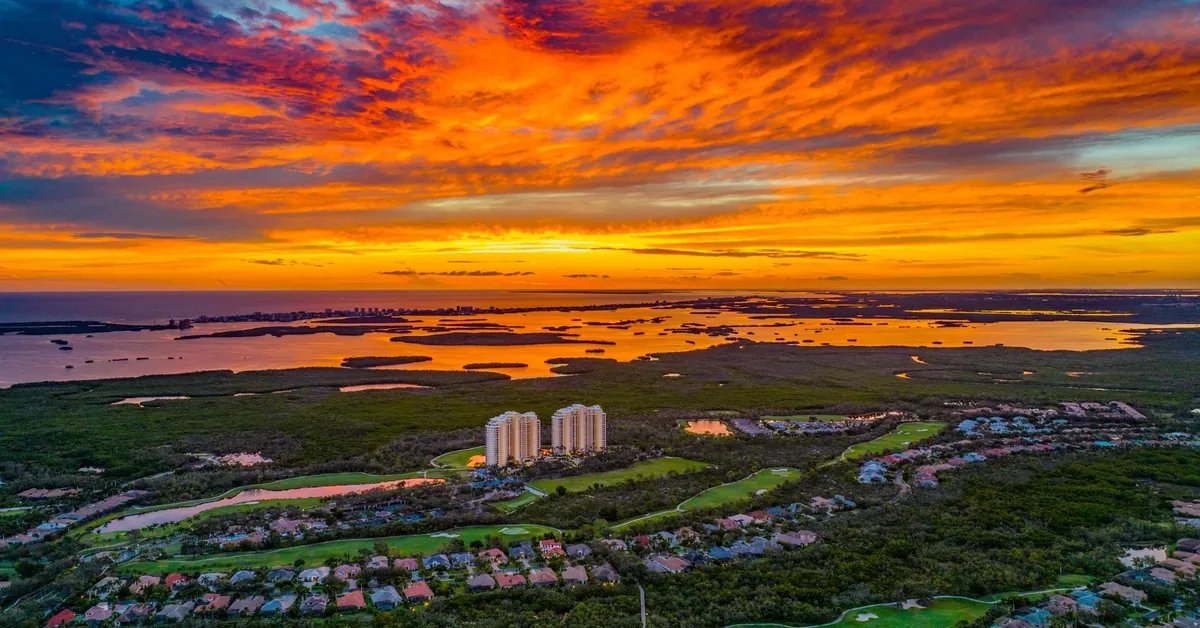
At Sailfish Point, that relationship is unusually literal. The community sits at the southern tip of Hutchinson Island where the Atlantic Ocean, St. Lucie Inlet and Indian River Lagoon meet. Its private marina is positioned at the inlet, giving boaters direct access toward the Atlantic and accommodating vessels up to 100 feet. In the community’s recent market overview, Sailfish Point uses that setting to illustrate what buyers can discover when they extend the search beyond Palm Beach.
The important part is not the marina specification itself. It is what the location makes possible: the boat can become part of the routine rather than a separate destination. That is a useful distinction for any buyer comparing coastal markets, because two homes can both be ‘waterfront’ while supporting completely different ways of living.
Private-Club Life Is Moving Into the Hours Between Plans
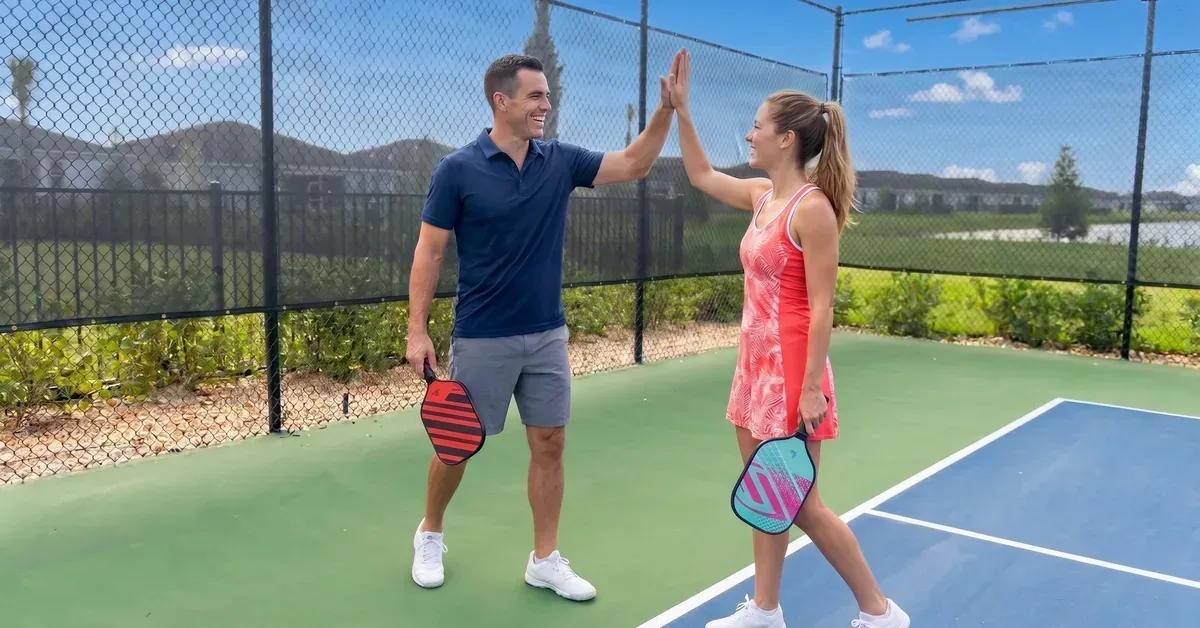
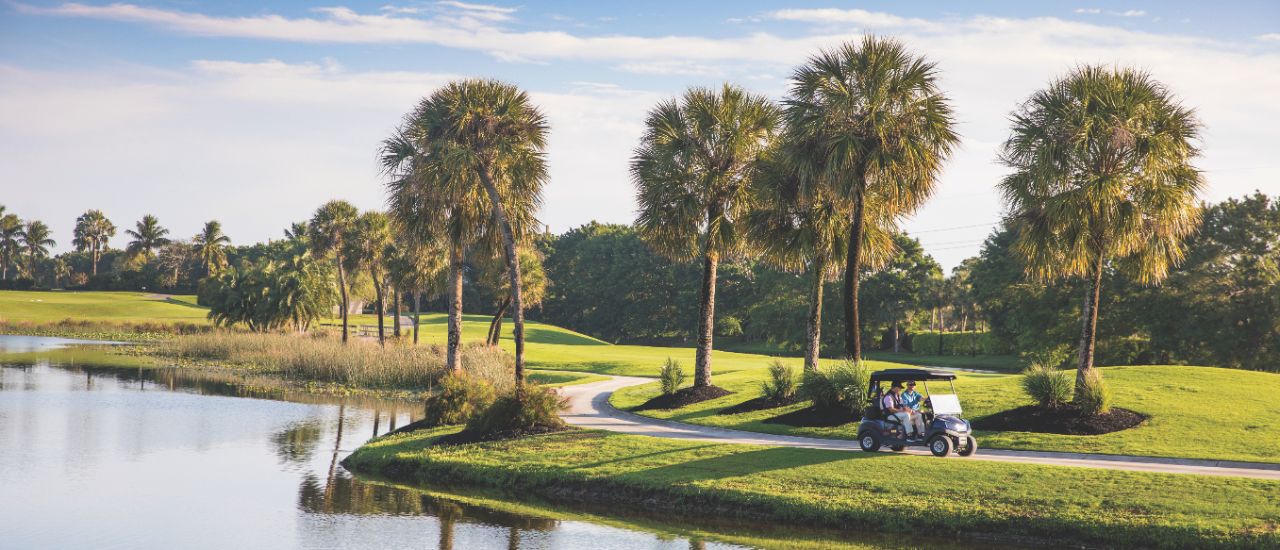
The same shift is visible inside private-club communities. The strongest lifestyle value is not always found in a list of amenities; it often shows up in how easy it is to move between them. A morning round, lunch near the water, an hour of pickleball, a walk to the beach and dinner with friends can feel very different when those experiences are part of one residential setting rather than separate appointments across town.
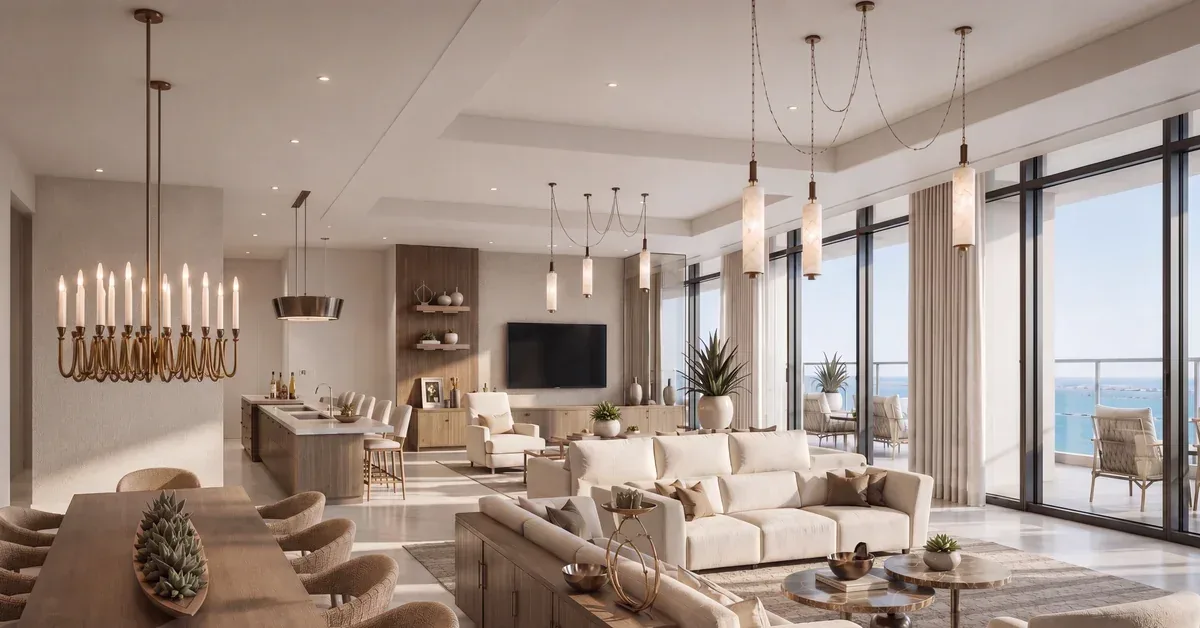
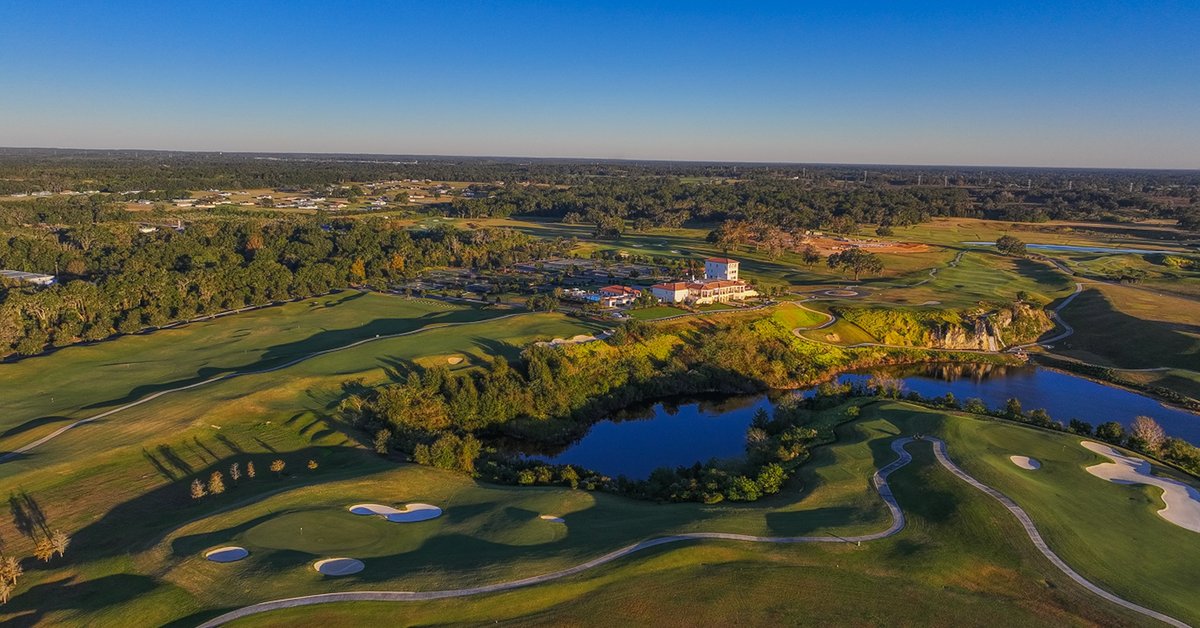
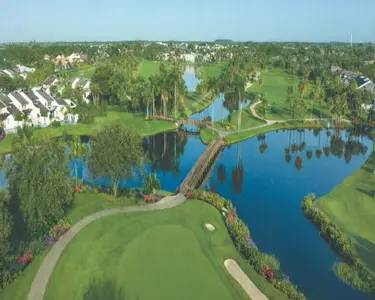
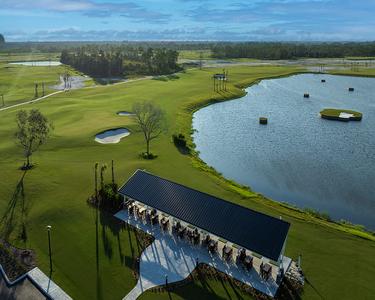
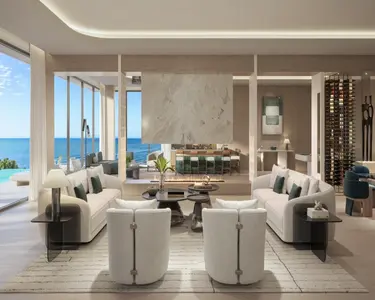
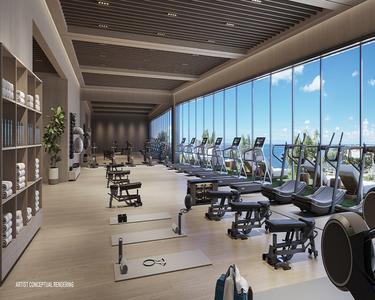
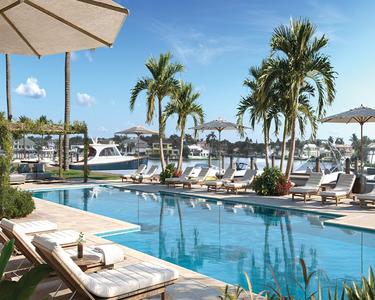
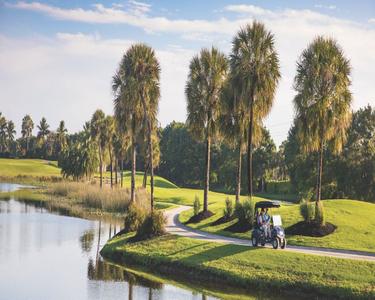
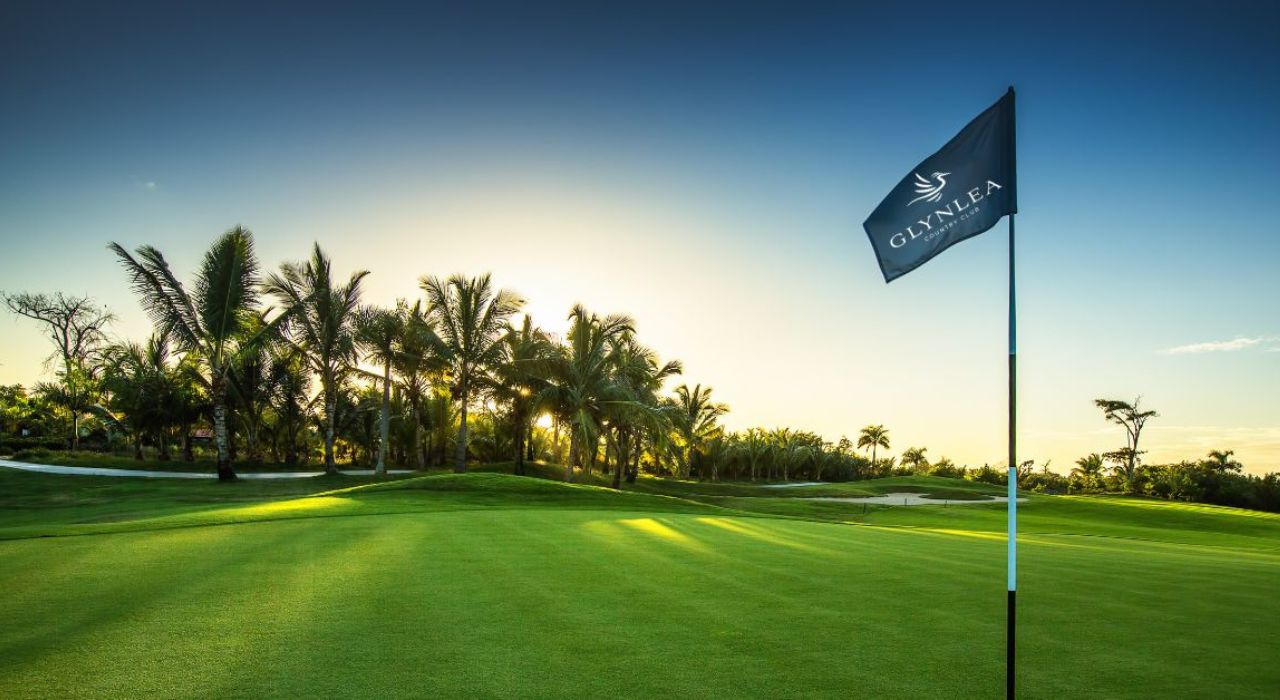
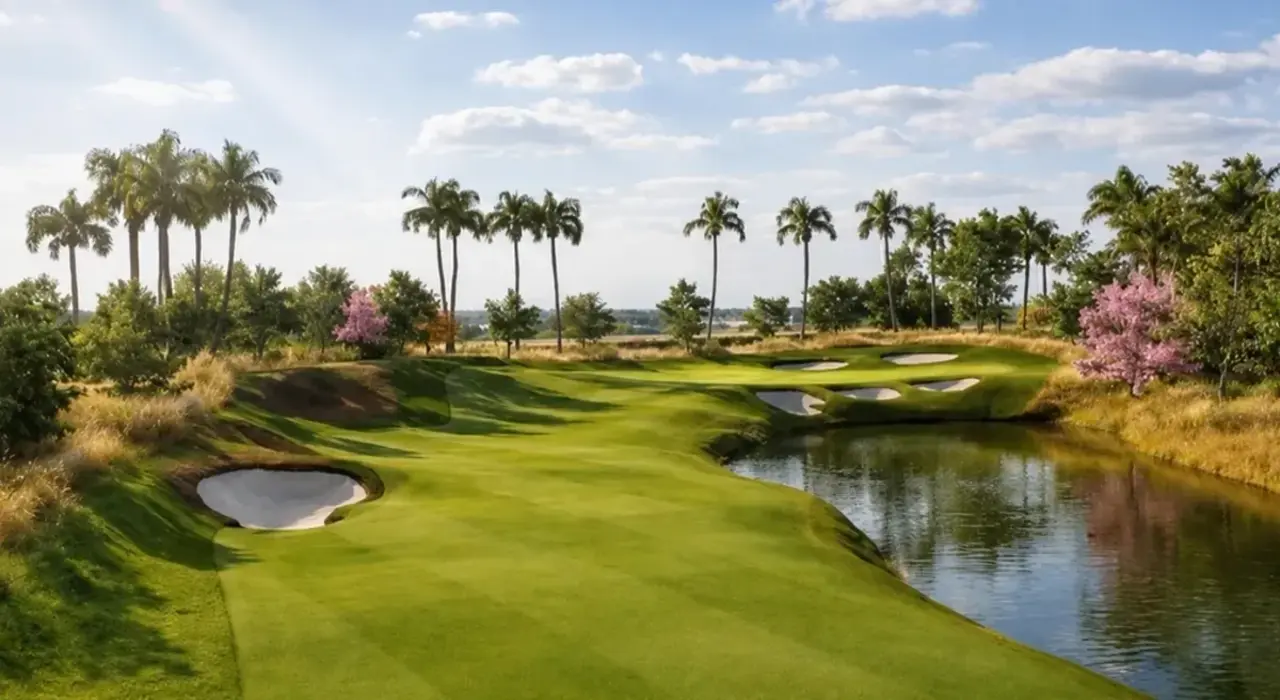
Sailfish Point offers one example of that all-day club rhythm. Its Jack Nicklaus Signature golf course, private beach, racquet sports, marina, dining, fitness and social programming create multiple ways to use the community without making any single activity the entire identity. The fully built-out community includes 520 residences, from condominiums and villas to waterfront and oceanfront estates, so that lifestyle is expressed across more than one residential format. The setting matters because the club experience is layered onto the ocean, inlet and lagoon rather than separated from them.
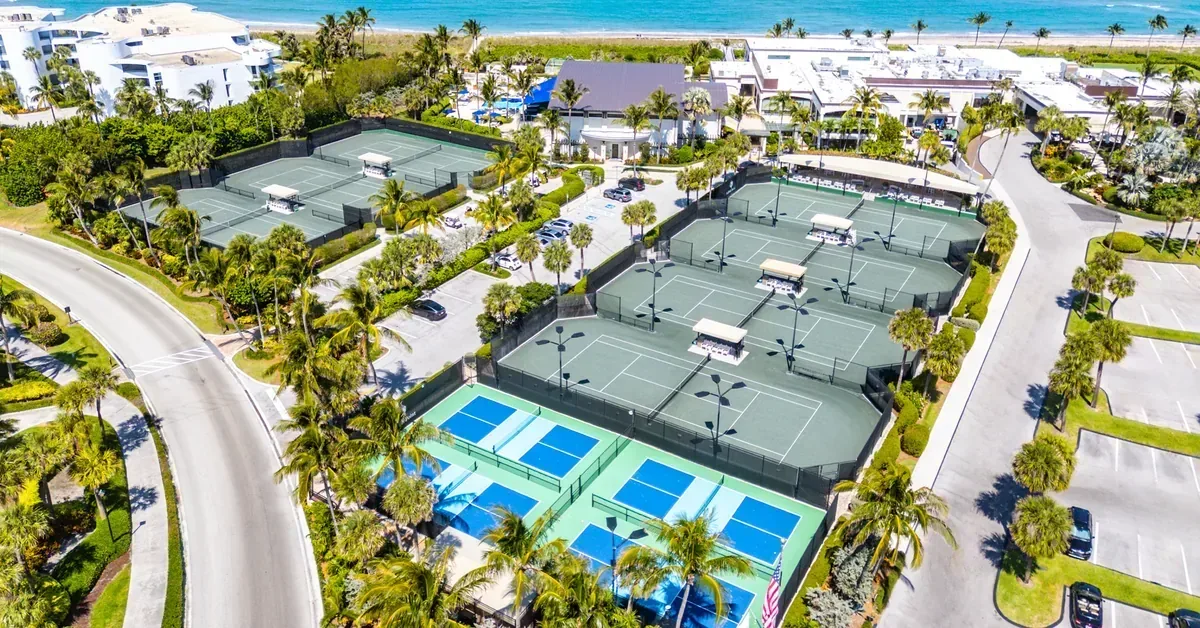
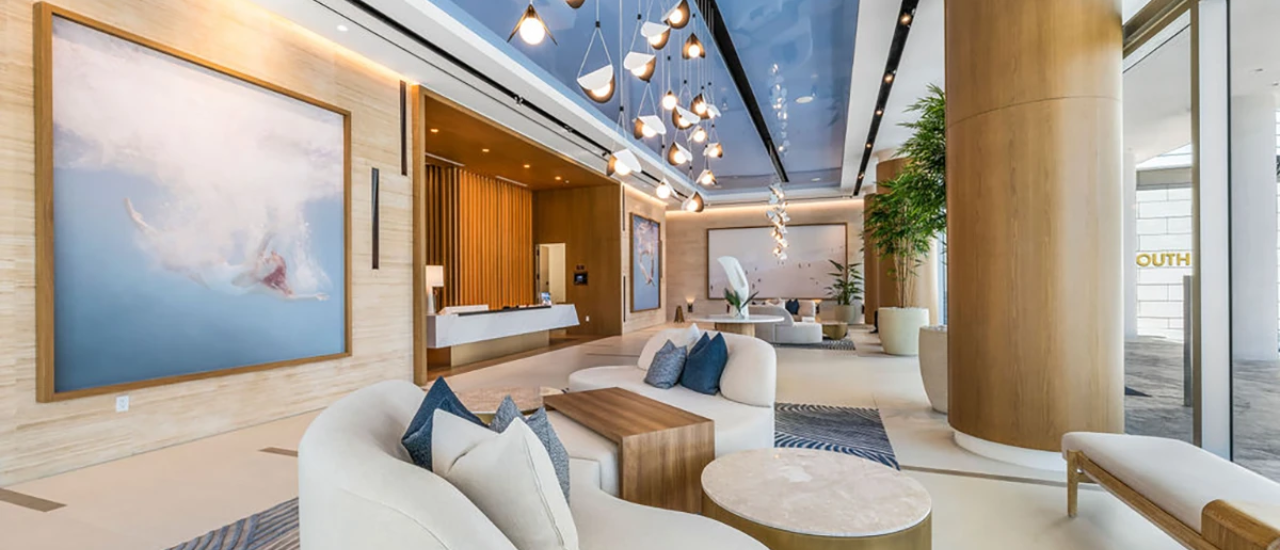
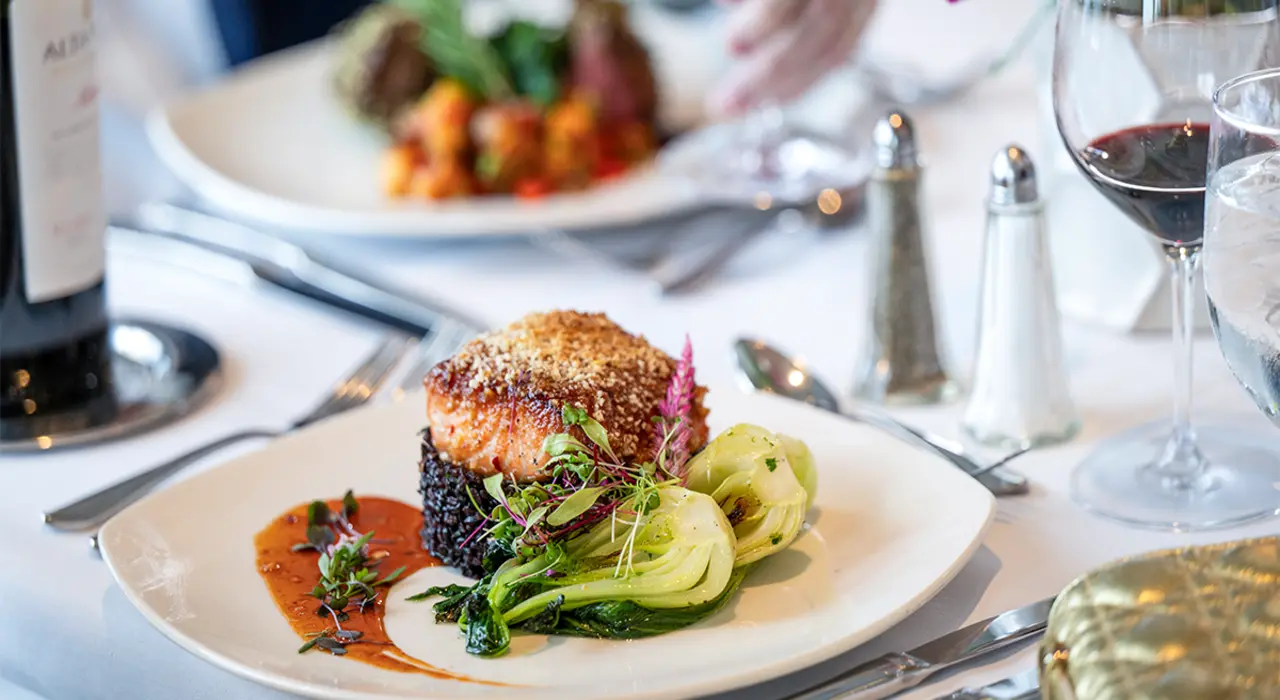
The community is also considering an estimated $40 million in proposed capital improvements. The concepts include more casual waterfront dining at the marina, a poolside kitchen and gathering spaces, a rooftop lounge and changes to the Beach Club. Because those plans are proposed, they should not be read as completed amenities. What they do show is how an established private club is thinking about the spaces members use between scheduled activities – lunch, a drink after the water, an unplanned gathering or an evening by the ocean.
That may be the more revealing private-club trend: not simply adding more things to do, but making the hours between them easier to enjoy.
The Best Location May Be the One That Matches a Tuesday
Accessibility still matters, especially for buyers maintaining family or business ties in the Northeast. The original Sailfish Point source notes that Witham Field in Stuart supports private and corporate aviation, while Palm Beach International Airport is roughly 50 minutes south. That keeps the Treasure Coast connected to the rest of South Florida without making its day-to-day environment feel identical to the markets farther south.
Ultimately, widening a South Florida search is not about deciding that one market is better than another. It is about giving lifestyle more influence over the map. Palm Beach can remain the benchmark for one kind of coastal life while Stuart, Hutchinson Island and other Treasure Coast communities introduce different combinations of boating, beach access, club life, natural surroundings and residential scale.
That is the real value of looking beyond the most familiar address. The decision becomes less about latitude and more about the ordinary Tuesday: where the morning begins, how easily the water fits into the day, where friends gather and how much planning is required to enjoy the place you chose to live.
Frequently Asked Questions
What should buyers compare when looking beyond Palm Beach?
Beyond home style and price, buyers can compare the rhythm of daily life: boating access, beach proximity, club culture, dining and cultural options, residential density, airport access and how much driving is required between activities. The goal is not to rank the markets, but to understand which setting better matches the way someone expects to spend an ordinary week.
What makes Stuart and Hutchinson Island different from more urban South Florida markets?
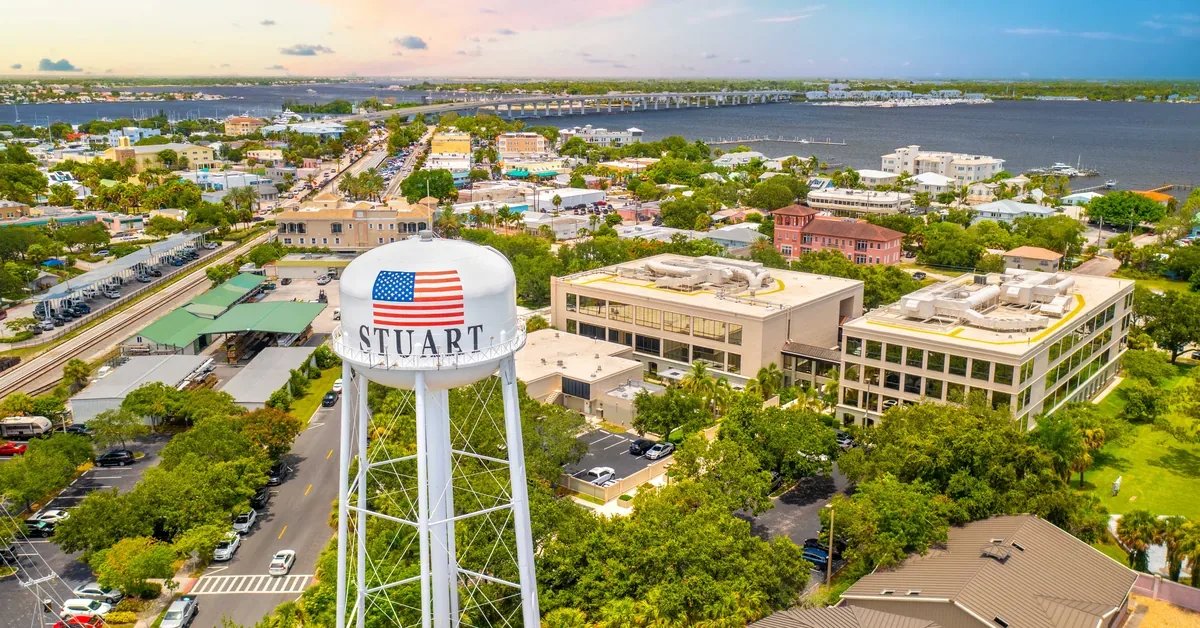
Stuart and Hutchinson Island place more of the lifestyle emphasis on the Atlantic, the St. Lucie River, the Indian River Lagoon, boating and natural shoreline. Historic Downtown Stuart adds dining, shops and cultural activity, while the barrier-island setting keeps beaches and water access unusually close to residential life.
What do the 2026 numbers say about Martin County’s luxury market?
Martin County’s $1 million-and-above home sales increased 45.16% year over year in July 2026, according to MIAMI REALTORS. The association’s 2026 luxury reporting also shows Stuart as an active million-dollar market, although migration data should be interpreted carefully: Martin County out-of-state driver-license exchanges were down 3% in the first half of the year even as South Florida overall rose 16%.
How does Sailfish Point fit into this broader lifestyle shift?
Sailfish Point is one example of a Treasure Coast community where the location itself shapes the routine. Its position at the Atlantic, St. Lucie Inlet and Indian River Lagoon combines boating, beach access, private-club recreation and residential life in one setting; readers can review current community details through the Sailfish Point FAQ.
Destinations
Things To Do


Exclusives

Lifestyle Publication