Beyond the Amenity List: How to Compare Florida’s Private Clubs

October 9, 2026 | Read Time: 7 minutes
A private golf club can have an exceptional course and still leave someone searching for more to do after the round. An oceanfront club might be the perfect place for an afternoon but offer fewer options for someone whose favorite hours are spent on the tennis court or at dinner with friends. And a country club with a long list of facilities is not automatically the best match if those facilities are spread out, difficult to reserve or seldom used.
In Florida, the familiar labels—golf club, beach club and country club—are useful starting points, but they do not tell the entire story. A more revealing comparison considers how the facilities connect, what membership actually provides and whether the setting makes it easy to enjoy more than one interest in the same day.
A Club’s Name Is a Starting Point, Not a Definition
Golf clubs generally organize much of the member experience around the course, practice, instruction and traditions of the game. A beach club is more closely tied to ocean access, a seaside pool, coastal dining and the comforts that make spending time at the water convenient. Country clubs often bring several activities together, combining recreation with food, wellness and a broader social calendar.
Those descriptions are not standardized membership categories. Two clubs with the same label may offer very different privileges, policies and facilities. Some golf clubs have extensive racquet and fitness programs; some coastal clubs provide a full golf experience well away from the beachfront. The key is to look past the name and find out how the club actually functions.
A useful first question is not simply “Does it have a pool, a course and dining?” but “Can members easily use the parts that matter to them?” One impressive centerpiece is different from a well-connected range of activities.
Think About an Ordinary Week, Not a Tour Day
Club tours naturally showcase the highlights. A more honest test is to imagine a fairly ordinary Tuesday. If one person wants to play golf and another prefers a walk by the ocean, is it convenient for both to do so? Are there places where friends can meet after separate activities? Do guest policies make it easy to include visiting relatives or friends?
That perspective also changes how to evaluate scale. A large club may offer variety and a busy calendar, while a smaller club may create more repeated encounters and a more familiar setting. Neither is inherently superior. What matters is whether the atmosphere, reservation policies and accessibility of facilities support the way members expect to spend their time.
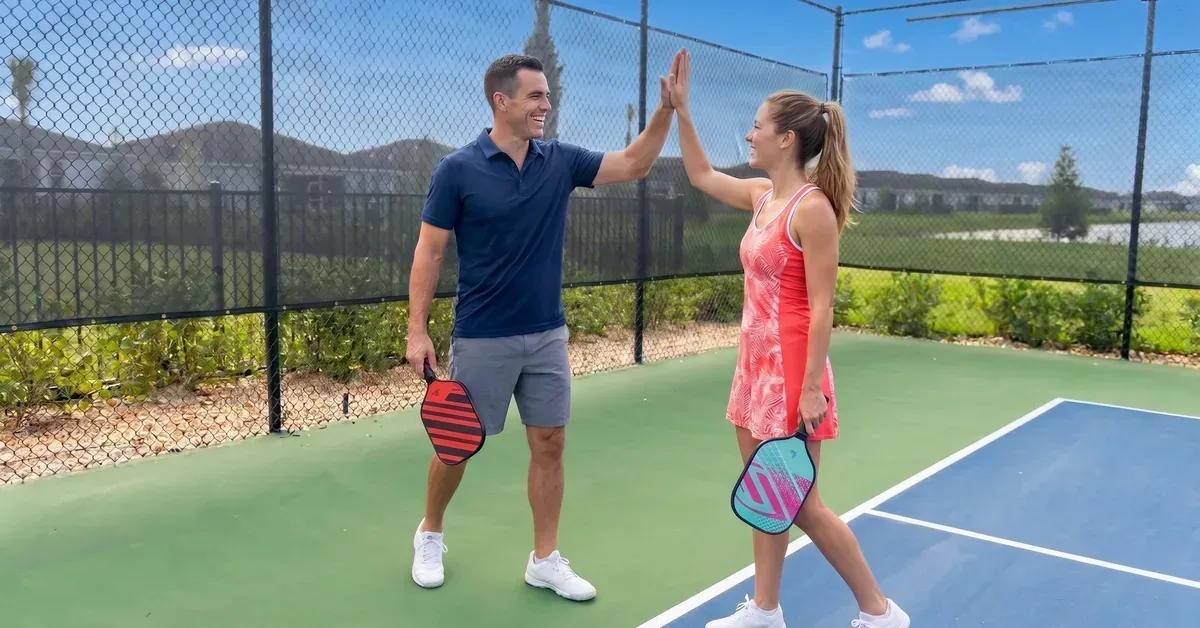
Dining can be especially revealing. Lunch after tennis or an informal dinner after a beach afternoon can become a regular habit rather than a special occasion. And interests change: the Sports & Fitness Industry Association counted 24.3 million Americans playing pickleball in 2025. A community with different ways to be active may serve households whose interests do not begin and end on the golf course.
Why the Setting Can Matter as Much as the Facilities
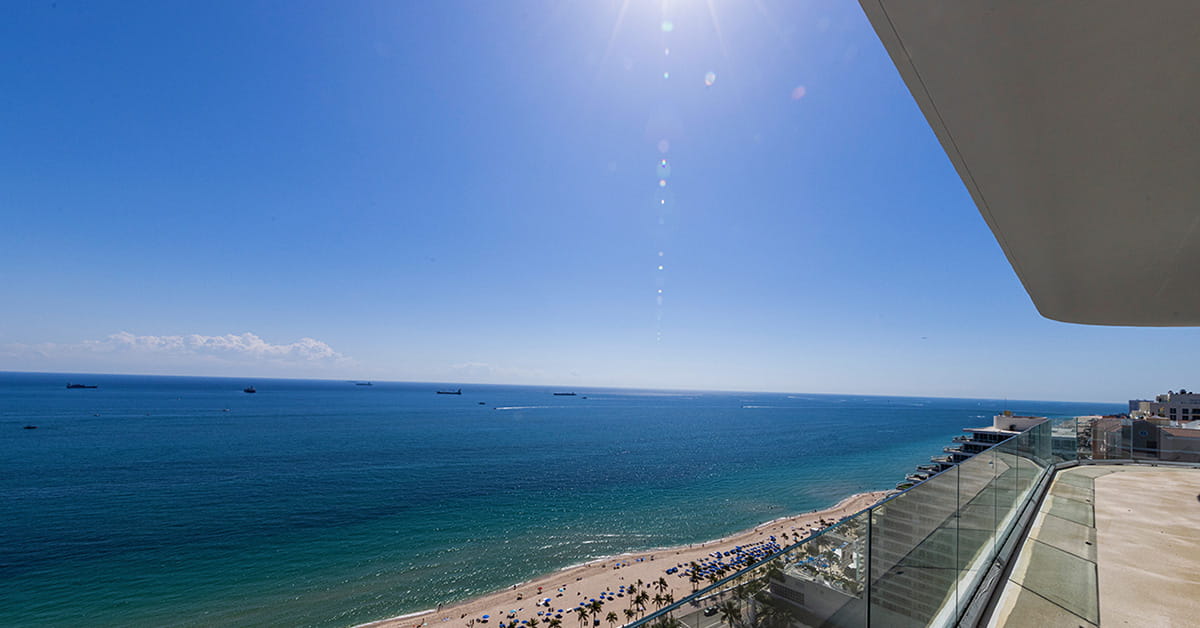
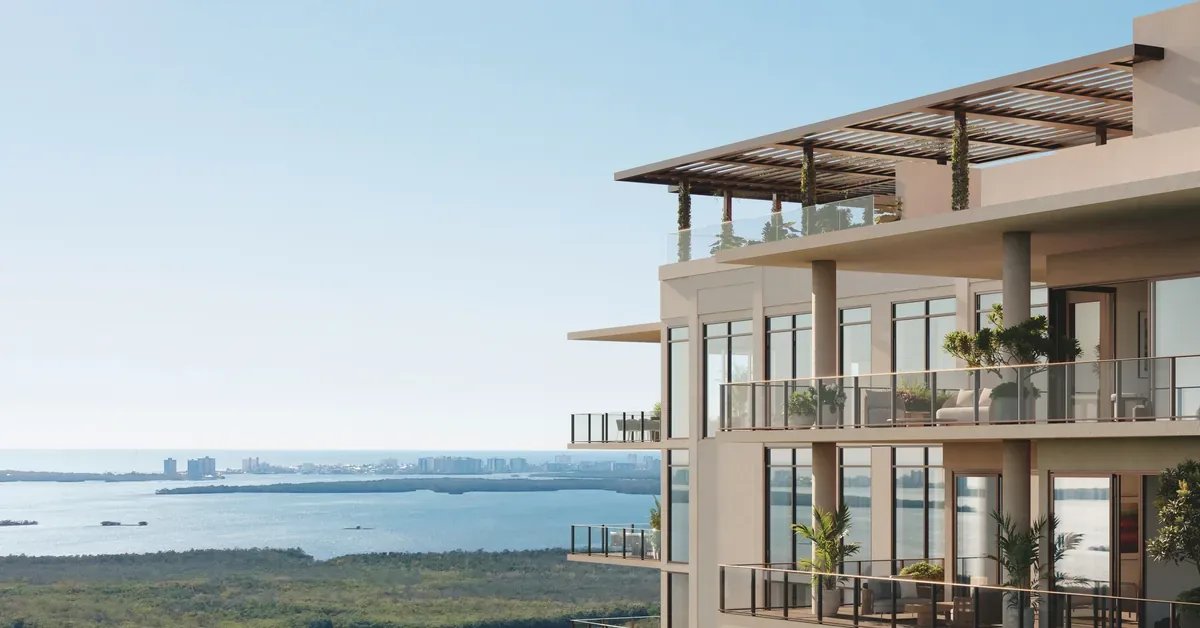
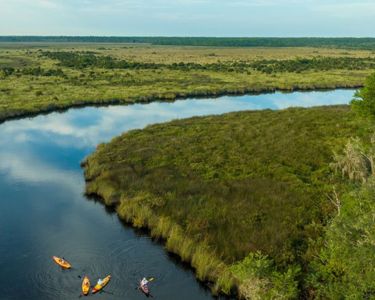
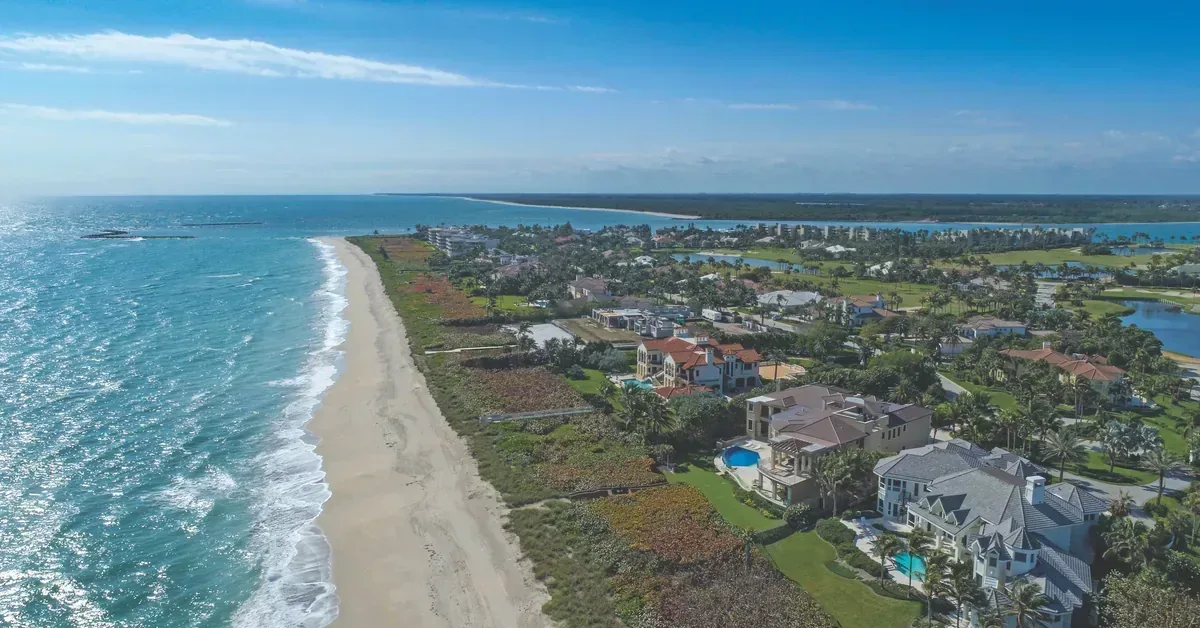
In a waterfront region, location introduces another dimension to the club decision. An oceanfront setting offers surf, open shoreline and views across the Atlantic; the lagoon side of a barrier island provides a different environment, with sheltered waterways and coastal habitat. Both can be appealing, but they lend themselves to different uses.
The Indian River Lagoon, which Indian River County describes as a 156-mile estuary between the mainland and barrier island, is an important part of this coastal landscape. It helps explain why some Treasure Coast communities can connect ocean recreation with calmer inland-water experiences without feeling like a single-purpose beach destination.
The practical questions remain the same: Is beach access private or shared? Is the shoreline adjacent to the residences or elsewhere? What water activities are permitted, and what facilities support them? Geography may create the opportunity for a broader experience, but the club’s actual access and operating rules determine what members can do with it.
Orchid Island Shows How Golf, Beach and Club Life Can Intersect
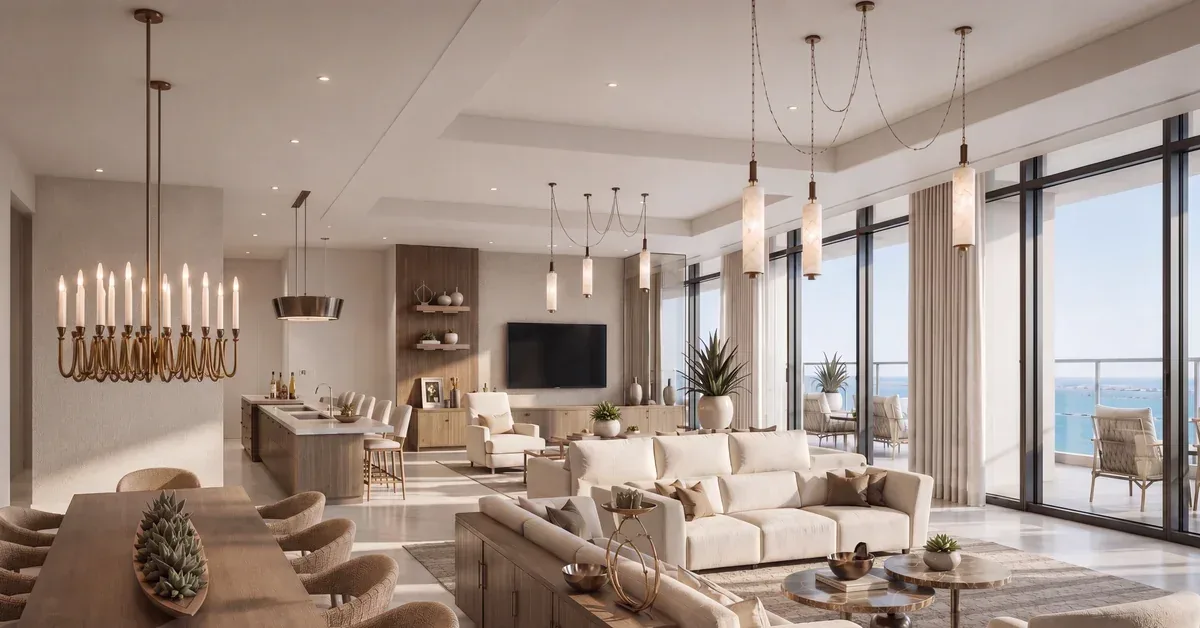
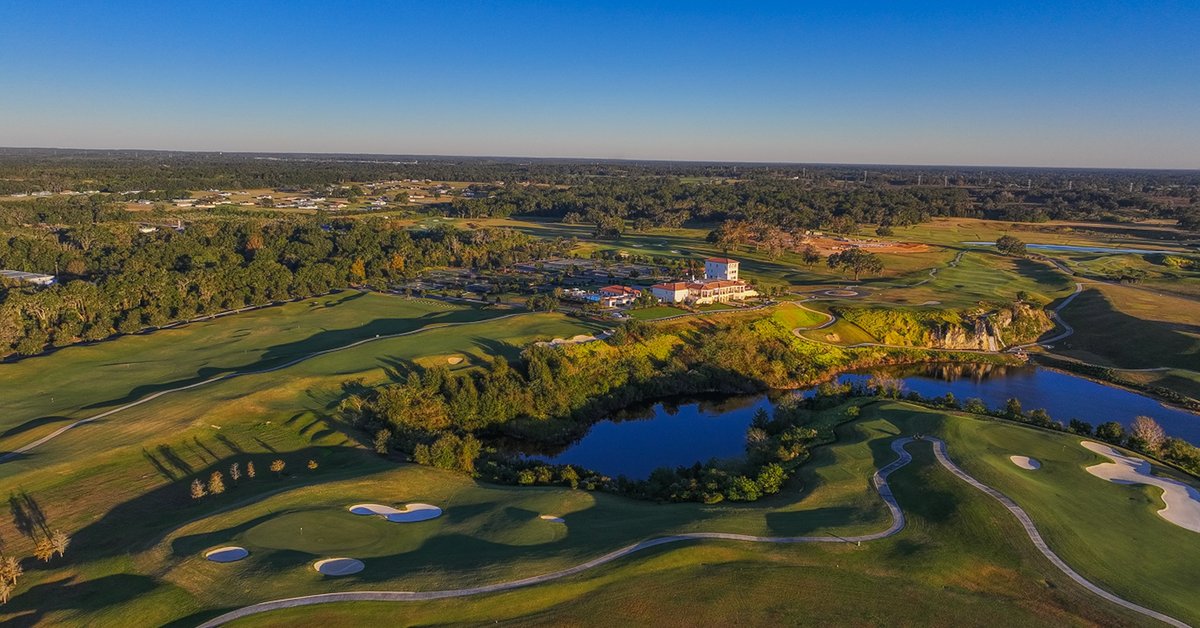
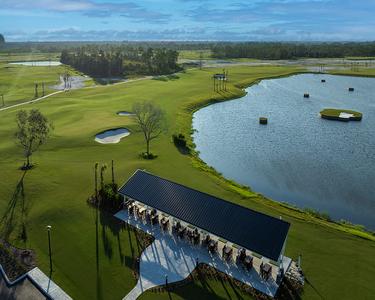
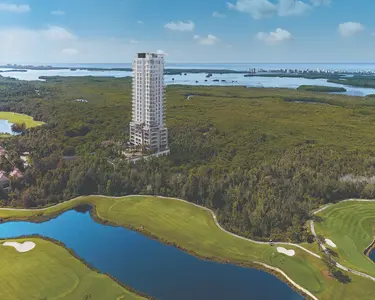
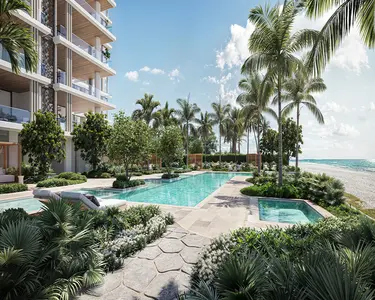
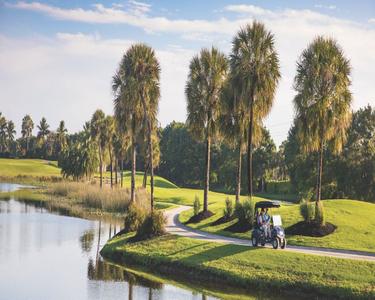
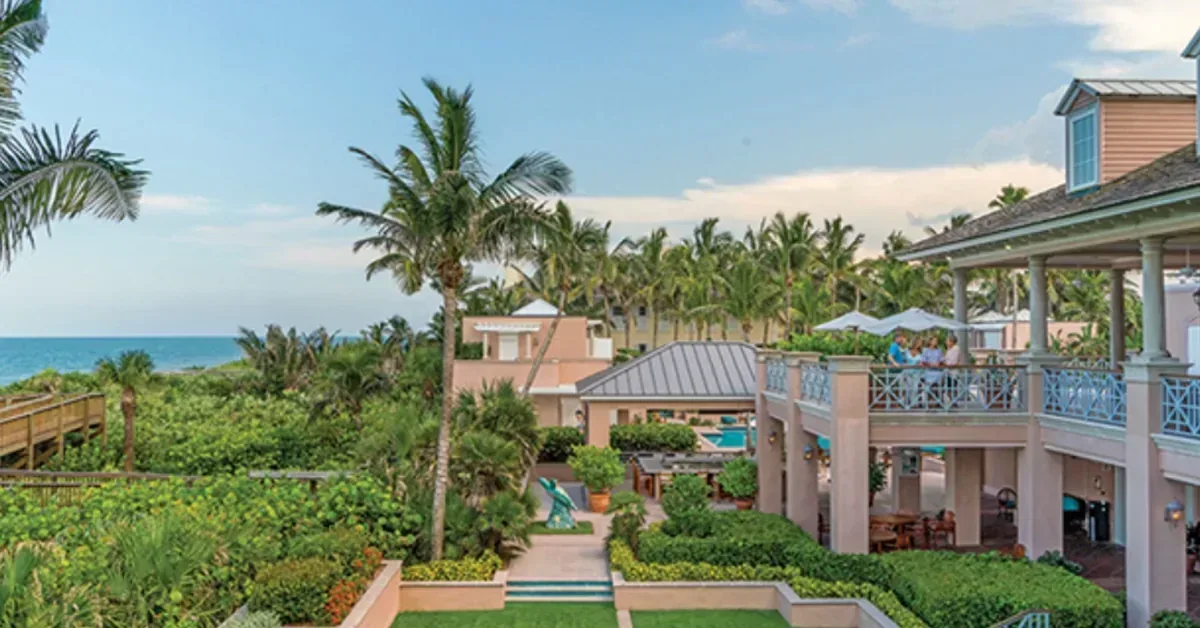
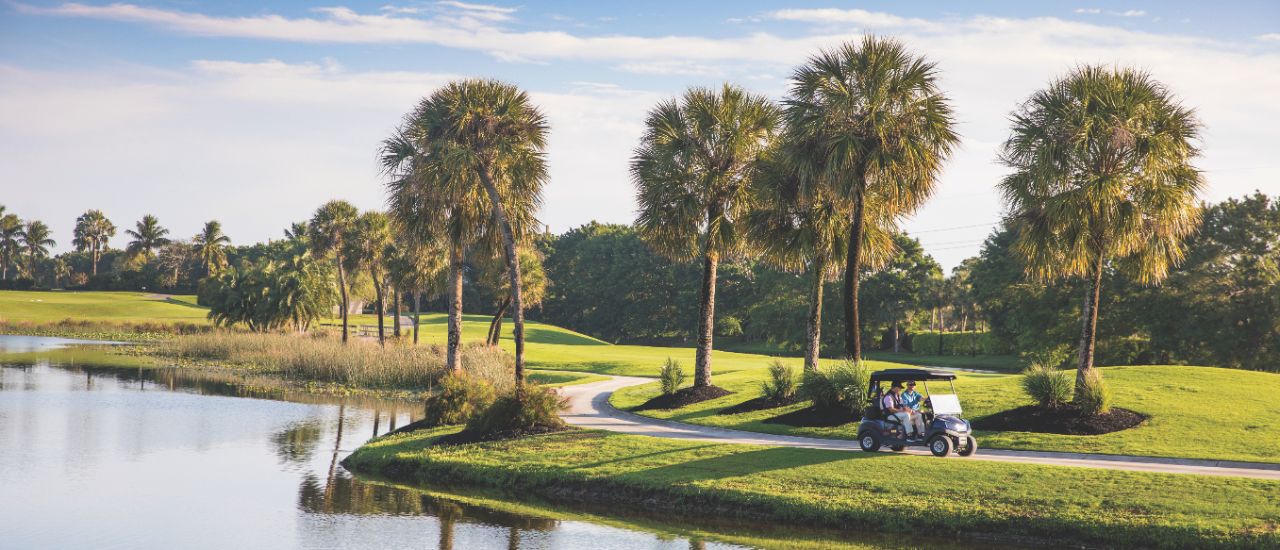
On the barrier island north of Vero Beach, Orchid Island Golf & Beach Club offers a concrete example of an integrated setting. Its established residential community has 375 residences between the Atlantic Ocean and the Indian River Lagoon. Members have access to an 18-hole Arnold Palmer-designed championship course, nearly one mile of private Atlantic beachfront and a wider club program that includes dining, wellness, racquet sports and social events.
The significance is not that a single address can list several amenities. It is that the golf course, Beach Club and other gathering places are part of an existing club experience, rather than future facilities being used to describe how a community may eventually operate. For people who want variety across a week, that is a distinction worth seeing in person.
One longtime member, quoted in Orchid Island’s original account of club life, described the setting: “I think one of the best parts of Orchid Island is the fact that we’re between the River and the ocean with a gorgeous golf course in between.” Her comment suggests why proximity matters more than any standalone amenity list.
Orchid Island is a private, member-owned club, and its established residential scale is part of what prospective members can evaluate today. Buyers still need to understand current membership requirements, guest access and costs, rather than assuming every element of club use follows automatically from the real estate listing.

What to Confirm Before Choosing a Club Community
The strongest comparison involves two conversations: one about the residence, and another about the membership. Ask what facilities are open now, which are being improved, how access works for guests, and whether certain activities require reservations, additional charges or a particular membership category. A beautifully photographed amenity is not the same thing as a right to use it.
For golf, it is worth understanding access to tee times, instruction and practice. For beach facilities, ask about the actual location of access, club services, pool and dining arrangements. For a country club, consider which social and recreational programs are active and which simply appear on the facilities list. In every case, review the relevant club documents and confirm current terms directly with the operator.
The best fit is not necessarily the club with the longest inventory of amenities. It is the one where the setting, access and range of experiences make sense together—whether golf is the main priority, the shoreline is the draw or several interests need room to coexist.
Frequently Asked Questions
How does beach access change everyday club life?
A beach club can add an entirely different rhythm to a golf-oriented week: a morning swim, an oceanfront lunch, time with visiting friends or a sunset walk. The useful distinction is between looking at the water and having convenient, clearly defined access to beach facilities and services.
Can a club community suit a household where not everyone plays golf?
It can, especially when members can pursue different interests without treating them as separate trips. Dining, fitness, racquet sports, beach time and social events give people ways to enjoy the same community even when their preferred activities differ.
How do membership policies shape the lifestyle residents can enjoy?
Access to facilities, guest privileges, reservations and dues can affect how freely people use a club. At Orchid Island, for example, residential ownership and Club membership involve separate financial commitments, and buyers can review current arrangements in the Club’s official FAQ.
Destinations

Things To Do


Exclusives



Lifestyle Publication