Boca West Is Reshaping Palm Beach County Golf From the Ground Up
June 3, 2026 | Read Time: 7 minutes
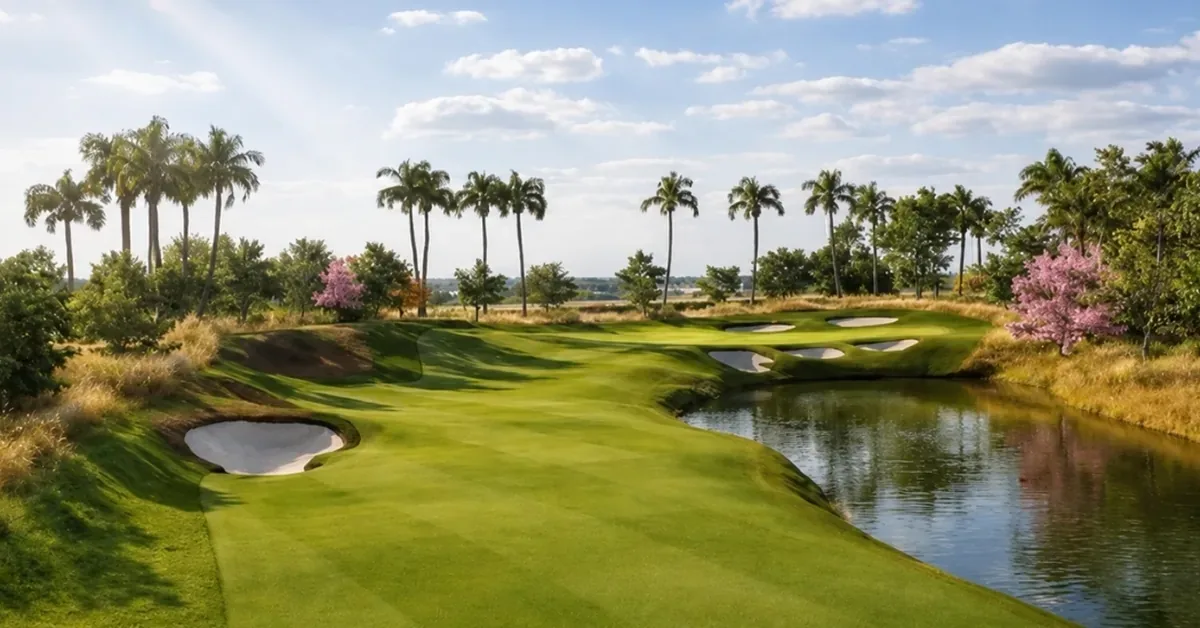
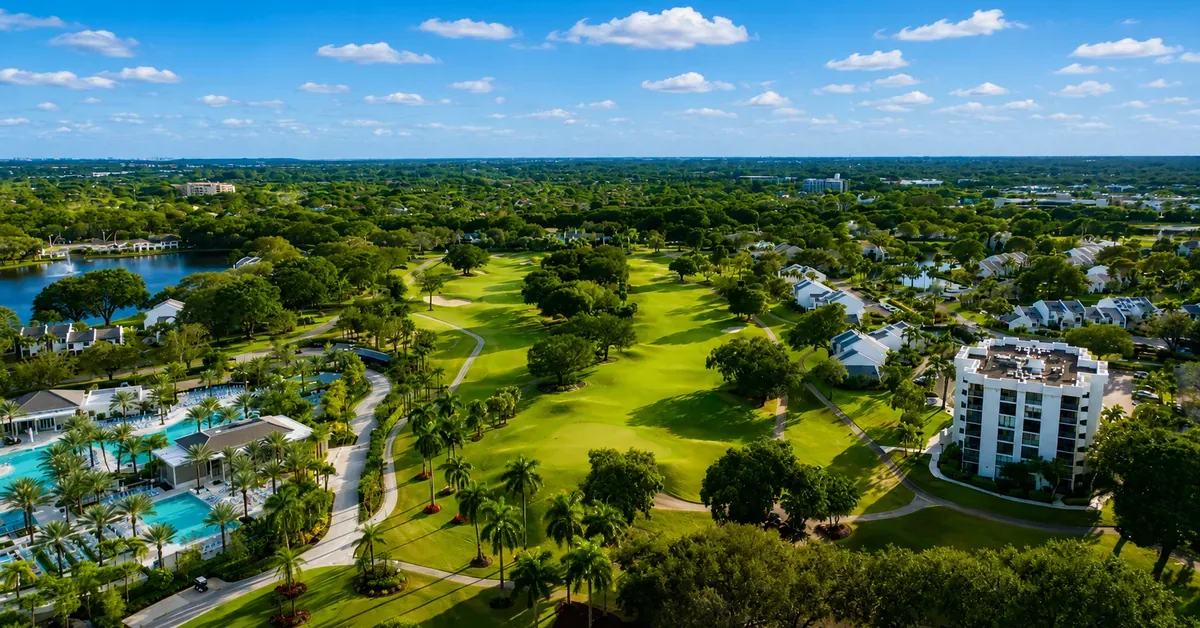
Boca West Country Club is preparing to remake one of its golf experiences on a scale that reaches well beyond a conventional course renovation. The work planned for Course 1 is intended to change not only how the layout looks, but also how Members move through, play and experience the course.
Fry/Straka Global Golf Design is leading the redesign, introducing new landforms, significant elevation changes and routing updates alongside two additional ways to play: a par-3 short course and a Himalaya-style putting course. Together, those elements are designed to create more variety and give Members different ways to practice, compete and spend time around the game.
The most unusual part of the project is the vertical change being created in a South Florida setting. Plans call for the highest point of elevation in Palm Beach County golf, giving the redesigned course new sightlines, strategic decisions and a stronger sense of movement from hole to hole. For Members familiar with the existing layout, the transformation is intended to make the course feel noticeably different while remaining part of the Boca West golf experience.
The project is also taking place within a Club that already offers four championship golf courses and 72 holes of play. While Course 1 is being rebuilt, Members can continue using the other three championship layouts, allowing a major new golf experience to take shape within an already extensive program.
What Is Changing on the Club’s First Course?
The course is not simply being refreshed. It is being reworked with a new design vision, updated infrastructure, and a more flexible playing experience.
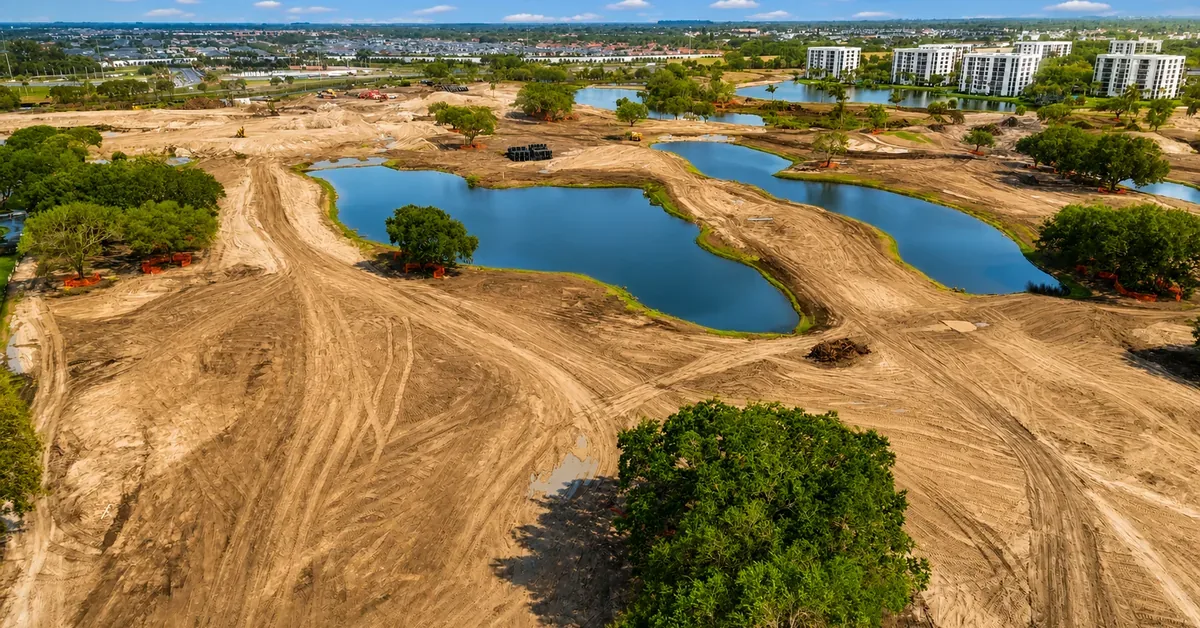
The redesign is being led by Fry/Straka Global Golf Design, the architecture firm selected to rethink the layout in a way that respects its history while creating something meaningfully new. The plan includes a redesigned 18-hole championship course, dramatic new landforms, strategic bunker and lake ehnancements, and an elevated experience from tee to green.
The existing footprint gives the design team an unusual opportunity. Because the layout has what architects describe as “core golf,” with residential development largely around the perimeter instead of throughout the interior, Fry/Straka has more room to create bold landforms and meaningful elevation changes.
Jason Straka explained that this type of routing gives the team room to create “bigger and bolder land forms,” resulting in “a lot of ups and downs” that are not common in South Florida.
That matters because many Florida courses are relatively flat by nature. Here, the redesign introduces a different kind of round, one shaped by elevation, angle, visibility, and choice.
Why Is Elevation Such a Big Part of the Redesign?
Elevation is the defining feature of this transformation.
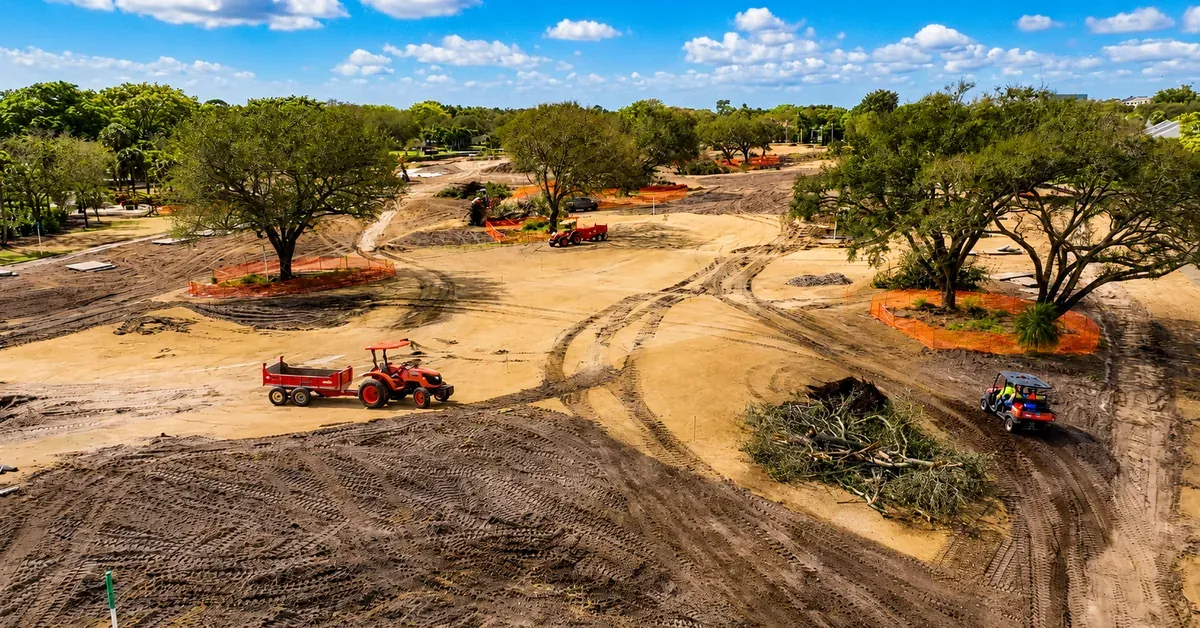
According to Travis Wehrs, Director of Golf at Boca West Country Club, the scale of the earthwork is one of the things that sets the project apart. The plan involves moving more than one million cubic yards of dirt to create the highest point of elevation in Palm Beach County golf.
“This project, as far as the scale and the complexity of it, there’s probably not going to be a larger, more complex scale of a renovation anywhere in the country,” Wehrs said.
That elevation is expected to push roughly 70 feet, with multiple holes playing up and down from the ridge. Wehrs noted that holes 1 and 7 are planned to play up off the ridge, while holes 8 and 11 will play down from it.
The result is not elevation for elevation’s sake. The design is intended to make the course more distinctive, more strategic, and more memorable over repeated play. A downhill par 3, tee shots that drop from elevated positions, and fairways shaped by new contours can change how Members see and play the layout.
Wehrs described the goal clearly: when Members step onto the course after construction, it should have “playability for all membership segments,” feel “interesting on day one,” and remain “unforgettable on day 10.”
How Will the Short Course Add a New Way to Play?
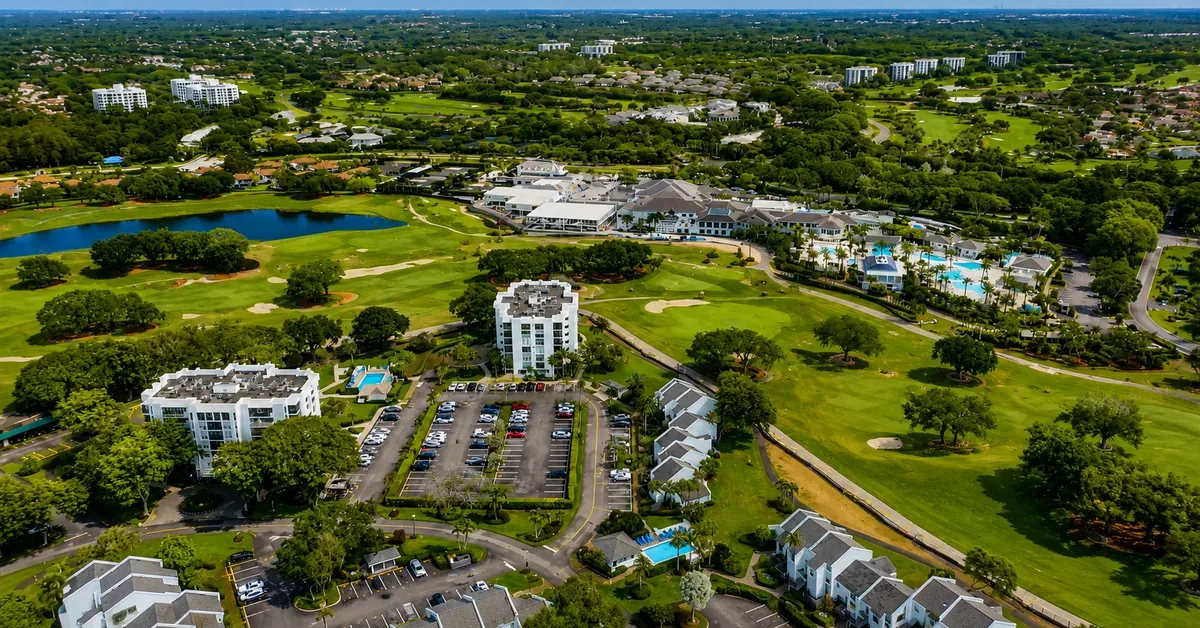
Alongside the championship course redesign, Boca West Country Club is adding a new par-3 short course behind the Aquatics Center. It is designed for social play, skill development, and shorter-format rounds.
This is an important part of the story because it gives Members another option beyond the traditional 18-hole experience. A short course can serve strong players who want to sharpen wedge play, newer players who want a more approachable entry point, and families who want time together without committing to a full round.
The new par-3 course adds another way for Members to stay connected to the game and to each other.
What Is a Himalaya-Style Putting Course?
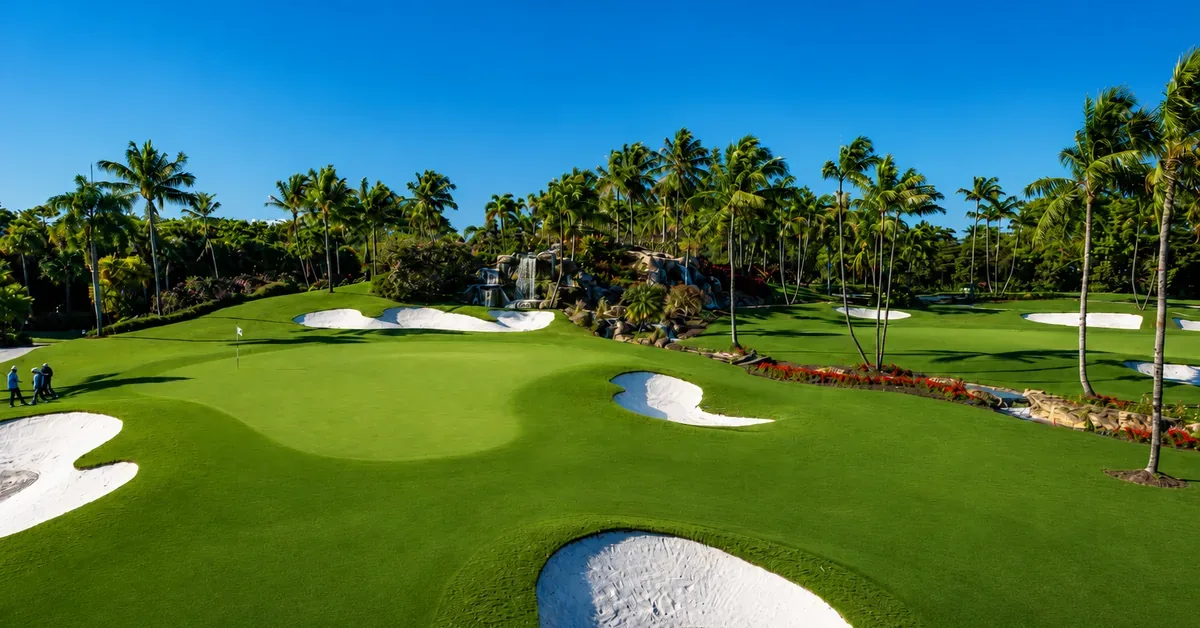
The project also includes a Himalaya-style putting course, a large, contoured putting surface inspired by the famous putting experience at St. Andrews.
Unlike a standard practice green, a Himalaya-style putting course is built for play. Its oversized surface and bold contours allow for a rotating setup of 12 to 18 holes, creating opportunities for putting leagues, tournament play, practice, and casual competition.
Straka described it as “a massively oversized putting green with a lot of bold contouring,” noting that it can be used for tournament play, putting leagues, and broader Member enjoyment.
That utility matters. The putting course gives low-handicap players a place to work on feel and speed, while also giving families, guests, and social players a fun way to take part without stepping onto a full course.
As Wehrs put it, “The new short course and putting course will be forward-thinking golf alternatives that will speak to families year-round.”
What Does This Say About the Club’s Future?
The project reflects a larger philosophy at Boca West Country Club: continue investing, continue improving, and continue creating experiences that keep the Club moving forward.
Matthew Linderman, President, COO and General Manager of Boca West Country Club, framed the design vision around imagination. He noted that Fry/Straka saw what was missing from many Florida course settings and asked, “Why don’t we create some elevation?”
That question is now becoming a major physical change within the Club’s playing experience.
Linderman also described the Club as “a lifestyle club,” explaining that the game is not only for low-handicap players. It is also for Members who want to be outside, spend time together, compete, practice, learn, and enjoy their time on the course in different ways.
That is what makes this work larger than one course. The redesigned championship layout, short course, and Himalaya-style putting course work together to create a broader experience for Members. They offer more choice, more variety, and more reasons to engage with the game as part of daily Club life.
How Does Golf Fit Into the Larger Boca West Country Club Lifestyle?
Golf is a major part of the Membership experience, but it is not the only reason the lifestyle feels so active. Members also enjoy three clubhouses, eight dining venues, a world-renowned spa, a 72,000-square-foot fitness center, aquatics, wellness programming, and a full calendar of social events.
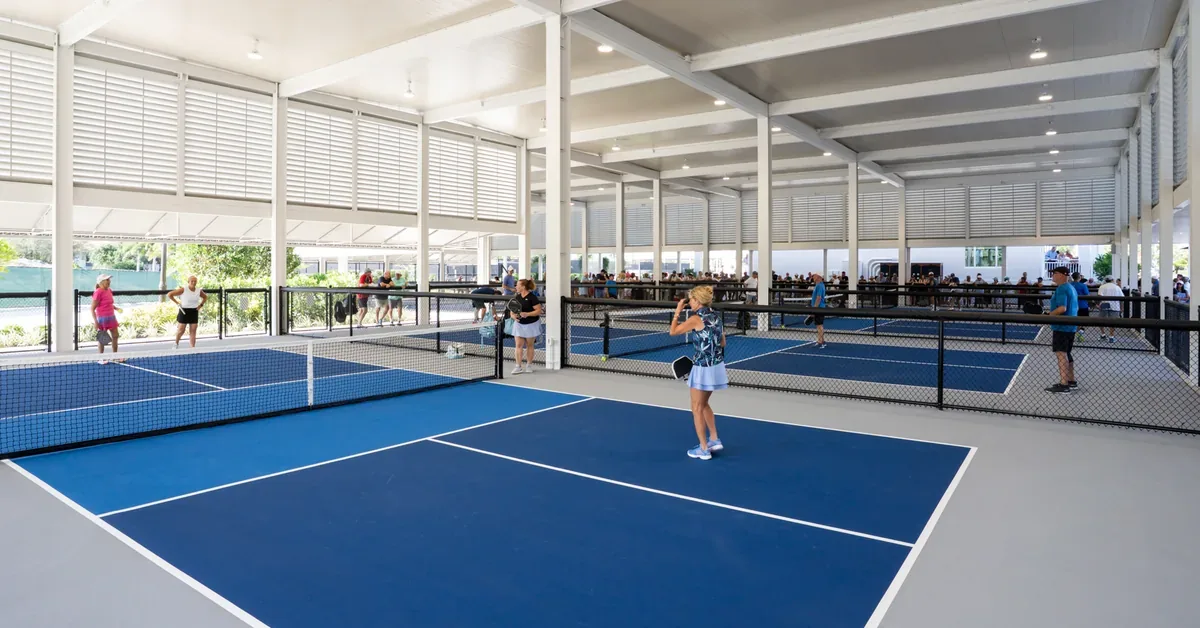
The Club’s racquet sports experience continues to grow as well. The recently opened Pickleball Club features 25 pickleball courts, including 12 covered courts for year-round play. Members also enjoy 24 Har-Tru tennis courts, along with fitness options such as spin, Pilates, yoga, and performance-focused training.
With more than 600 Member events each year, Boca West Country Club creates a lifestyle where there is always something to do, from time on the fairways and racquet sports to dining, wellness, fitness, and social gatherings.
Within Boca West, the residential community includes 55 different villages, giving buyers many ways to live near the private club lifestyle available through Membership.

Exploring Real Estate and Life at Boca West
For buyers considering Boca West, the Course 1 transformation adds another dimension to the private club lifestyle available through Membership. Boca West Realty can help prospective residents compare neighborhoods, residence types and the different residential settings found throughout the community.
Prospective buyers visiting Boca Raton can begin at the Boca West Realty Welcome Sales Center at 7763 Glades Road, Suite 101, Boca Raton, FL 33434. Those exploring from elsewhere can contact Boca West Realty at 561-665-5855, review available residences within Boca West, or visit the Boca West Realty FAQ page for more information about buying, living and exploring the community.
Inside Boca West’s Award-Winning Private Golf Lifestyle
June 1, 2026 | Read Time: 8 minutes
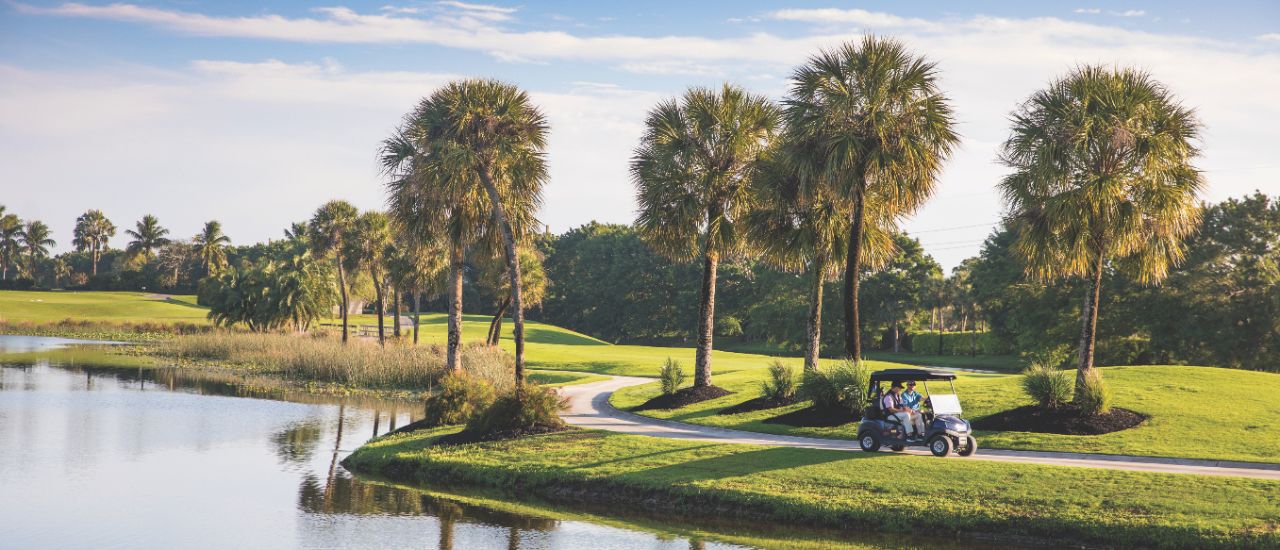
At Boca West, golf may be the headline, but it is only the beginning of the day. Four championship courses, a technology-driven practice experience, dining, racquet sports, wellness, events and a wide range of residences all operate within the same private club community, giving the lifestyle a scale that has earned attention far beyond Boca Raton.
The club’s recognition includes a 13th ranking among the Top 100 Platinum Clubs of the World, its position as the Nation’s #1 Private Residential Country Club Lifestyle and a place on Forbes’ list of golf and country clubs honored with Platinum status worldwide. Zillow has also recognized Palm Beach as the nation’s hottest housing market, adding another layer of attention to the South Florida setting.
Boca West’s own look at its private golf lifestyle. At Boca West Country Club, the residential offering and club experience are designed to be experienced together, with golf, amenities, social life and homes all contributing to the same sense of place.
What makes the community notable is not one amenity in isolation. It is the way the golf day can move naturally into lunch, a fitness class, time on the courts, dinner, live entertainment or a quiet return home without leaving the larger Boca West setting.
Four Championship Courses Shape the Golf Story
Golf at Boca West begins with four championship courses shaped by Arnold Palmer, Jim Fazio and Pete Dye. Each course has its own design character, with different landscapes and playing considerations creating variety across the 72-hole collection.
Strategically placed bunkers, rolling fairways and the surrounding Florida landscape give each round its own rhythm. The range of layouts also makes the golf program approachable from more than one direction, whether a Member is focused on competitive play, regular practice or simply spending more time on the course.
Practice is part of the experience as well. A four-acre short-game area and a driving range with 50 tees extend the golf offering beyond the courses themselves, giving players room to work on specific parts of the game before or after a round.
Technology Brings a Different Energy to the Range
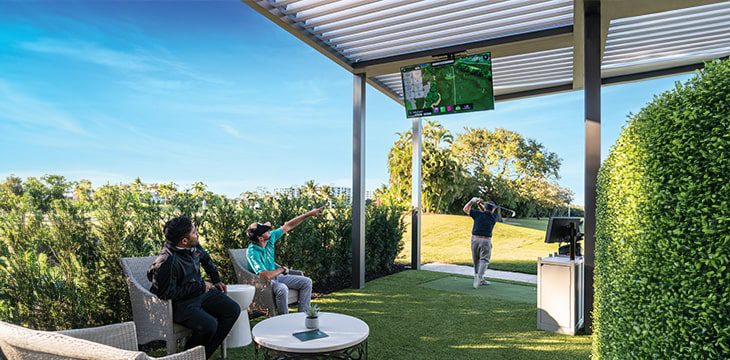
Boca West was also the first Club in North America to introduce a high-tech driving-range experience of this kind. At Mr. D’s 19th Hole and Drive Suites, In-Range radar sensor technology tracks the flight of each ball and relays the data back to an internet-connected device in the hitting bay.
The result is a range session that can feel as social as it is instructional. Golf professionals are available to support players, while the technology gives both newer and experienced golfers immediate information about ball flight and performance.
That approach carries into instruction through K-Motion, BodiTrak and Blast Motion technologies used for training and performance tracking. The larger theme is clear: tradition and technology are not treated as competing ideas at Boca West. They are used together to give Members more ways to understand and enjoy the game.
The Lifestyle & Racquet Center Expands the Club Day
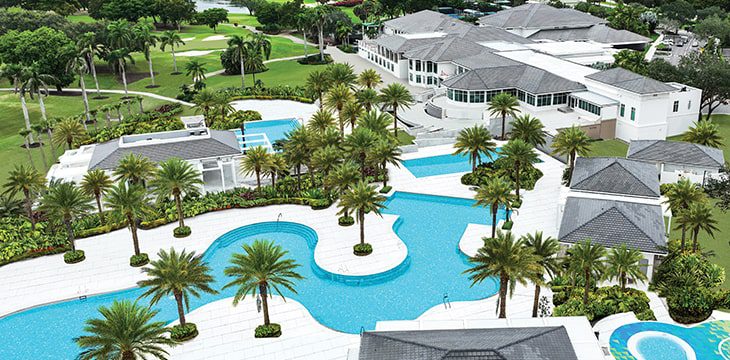
Away from the golf courses, Boca West’s $45 million expansion of the Lifestyle & Racquet Center was designed to broaden what a day at the club can include. The project is being delivered with no Member assessment while adding a collection of aquatics, fitness, social and wellness spaces.
The Aquatics Center plan includes five pools, two activity lawns and a multipurpose event space. Inside, the Lifestyle & Racquet Center building includes a two-story lobby, rooftop terraces, game rooms, restaurants and an updated billiards room, creating places to gather before and after recreation.
Fitness and wellness add another layer. Several movement studios support Spin, aerobics, Pilates and core training, with on-site personal trainers and physical therapists bringing instruction and therapy into the community. A Spa Garden adds an outdoor wet area, water features, lounge seating and cabanas for time before or after treatments.
More Than 600 Events Keep the Calendar Moving
Boca West’s social calendar is as ambitious as its amenity list, with more than 600 events a year ranging from happy hours and holiday activities to large-scale entertainment and seasonal celebrations. The sheer number matters because it means social life is not limited to a handful of signature dates; there is activity across the year.
The 2023 season opener, Fire & Ice Rockin’ Casino, is one example. The evening combined live music from Rock with U Fusion Band with classic casino games, dealers and croupiers, along with a culinary program built around inventive menu selections and handcrafted specialty drinks.
The annual Carnival brings a different kind of energy, with rides, games, treats and a fireworks display. Together, events like these show how the club’s scale supports both everyday social programming and larger moments that can become seasonal traditions.
Dining Works Like Its Own Collection of Destinations
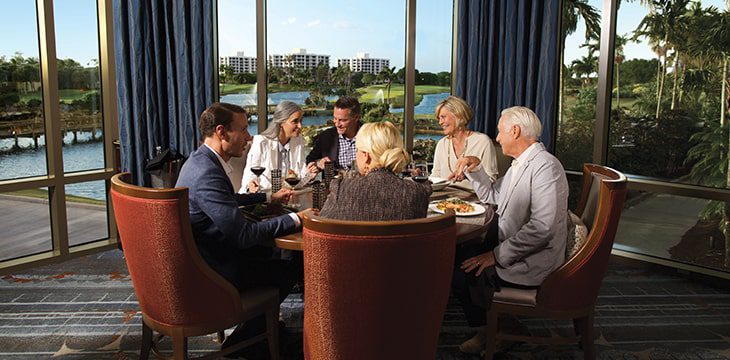
Dining is woven into the club day rather than treated as a single formal occasion. Prime Cut centers on USDA prime steak and a collection of 1,800 wines from around the world. Mr. D’s 19th Hole and Drive Suites handles quick bites and happy hour, while Grand Central brings a sports-bar atmosphere with 42 televisions.
The Living Room is built around cocktails and live music, Panache offers elevated buffet dining, and Roadside Cravings adds a mobile option. The variety means the choice of where to eat can change with the pace of the day, from something casual between activities to a longer evening out.
The Lifestyle & Racquet Center expansion was also set to introduce four new dining venues: Market Square, a grab-and-go café; Cabana Bar & Grill for alfresco dining; Blue Point, a coastal-inspired restaurant; and Aria Bar & Rooftop for cocktails, light bites and nightly entertainment under the stars.
Racquet Sports and Wellness Extend the Day Beyond Golf
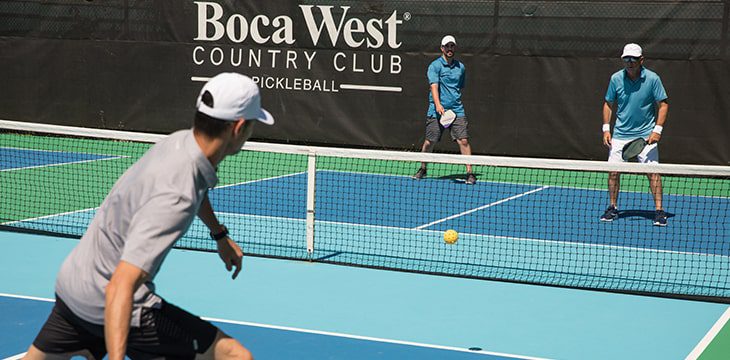
Golf is only one way to stay active at Boca West. Boca West has 27 Har-Tru Hydro tennis courts and 14 pickleball courts, creating a substantial racquet program for lessons, practice, organized play and competition. The Racquet Center has also received the USTA Outstanding Facilities Award.
A team of USPTA-certified professionals leads private and group lessons, tournaments and clinics, while scheduled singles and doubles games, free play and practice sessions give Members multiple ways to participate. The appeal is the flexibility: the courts can support serious training, regular competition or a more social afternoon.
After the courts, the Boca West Spa shifts the pace. Twenty-three treatment rooms support a broad menu of services, while separate men’s and women’s Roman-inspired wet areas feature oversized pools with whirlpool jets and waterfalls. A full-service salon and barber shop add hair, nail, grooming and cosmetic services, making wellness another complete destination within the community.
55 Neighborhoods Add Residential Variety
Boca West’s residential side spans 55 unique neighborhoods and approximately 3,500 homes. Villas, condominiums and single-family residences create a range of housing types, while the overall community supports a low-maintenance, lock-and-leave lifestyle.
That variety matters in a club community because the home and the membership lifestyle are experienced together. A buyer may begin with residence type, layout or level of maintenance, but the larger decision also includes proximity to golf, dining, wellness, racquet sports and the social calendar that defines day-to-day life at Boca West.
Renovated residences with updated finishes are also offered through Boca West Realty’s Renovator Program. The program adds another option within the existing housing inventory, while the larger relationship between the club lifestyle and real estate remains part of how buyers evaluate the community as a whole.

Boca West Realty Keeps the Real Estate Story On-Site
Boca West Realty serves as the on-site real estate specialist for the community. In its first four years, the firm became the market leader for buying, selling and leasing within Boca West and was involved in 69% of all real estate transactions in the community during the prior fiscal year.
That on-site position gives the real estate team a direct connection to the neighborhoods, available homes and the club environment surrounding them. Buyers can compare residences while also learning about membership and amenities through an interactive presentation at the Welcome Sales Center at 7763 Glades Road in Boca Raton.
That on-site real estate position keeps the housing conversation close to the same golf, dining, recreation and membership details already shaping the rest of the Boca West story.
For a broader look at the lifestyle, readers can request a complimentary copy of Boca West Life Magazine. Readers can also register their interest online or contact Boca West Realty at 561.665.5855 to schedule a private Club tour or real estate preview.
The lasting impression is the breadth of the place. Boca West brings golf, technology, dining, recreation, wellness, social programming and residential choice into one club community, making the lifestyle feel less like a collection of amenities and more like a full schedule waiting to be shaped around the Member.
Frequently Asked Questions
How many golf courses are at Boca West?
Boca West has four championship 18-hole golf courses designed by Arnold Palmer, Jim Fazio and Pete Dye, along with a four-acre short-game area and a driving range with 50 tees.
How active is the social calendar at Boca West?
Boca West hosts more than 600 Member events each year. The calendar ranges from themed celebrations and live entertainment to golf events, fitness activities, cultural programming and seasonal gatherings.
What types of homes are available in Boca West?
Boca West spans 55 neighborhoods and approximately 3,500 homes, including villas, condominiums and single-family residences. Renovated homes are also available through Boca West Realty’s Renovator Program.
Is Boca West Country Club membership connected to homeownership?
Yes. Club membership is required when purchasing a home in Boca West and is handled separately from the real estate transaction.
What High-Value Vehicles and Collections Need in Naples
May 26, 2026 | Read Time: 7 minutes
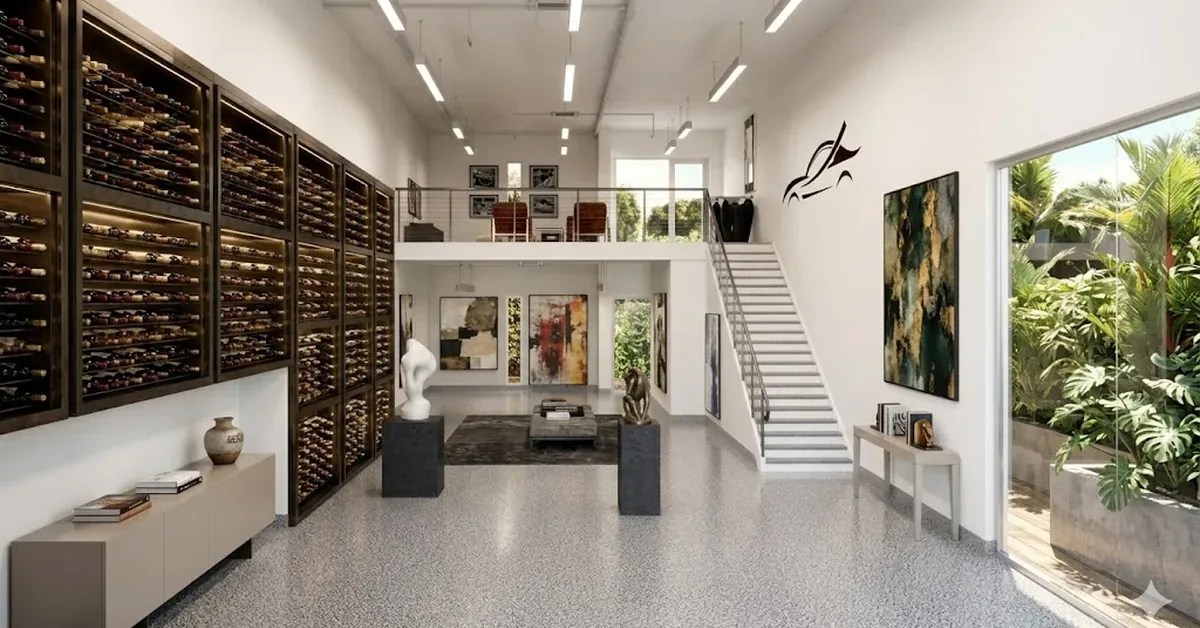
In Naples, the season can end long before the climate changes. Owners may leave Southwest Florida for months while vehicles, wine, artwork and other high-value assets remain behind, continuing to sit in heat and humidity every day.
For part-time residents, protecting those assets is less about simply having a place to put them and more about how that environment performs when no one is there to make adjustments. That is why long-term vehicle storage in Naples becomes a question of temperature, humidity, construction, location and consistency rather than square footage alone.
Why Naples Requires a Different Storage Strategy
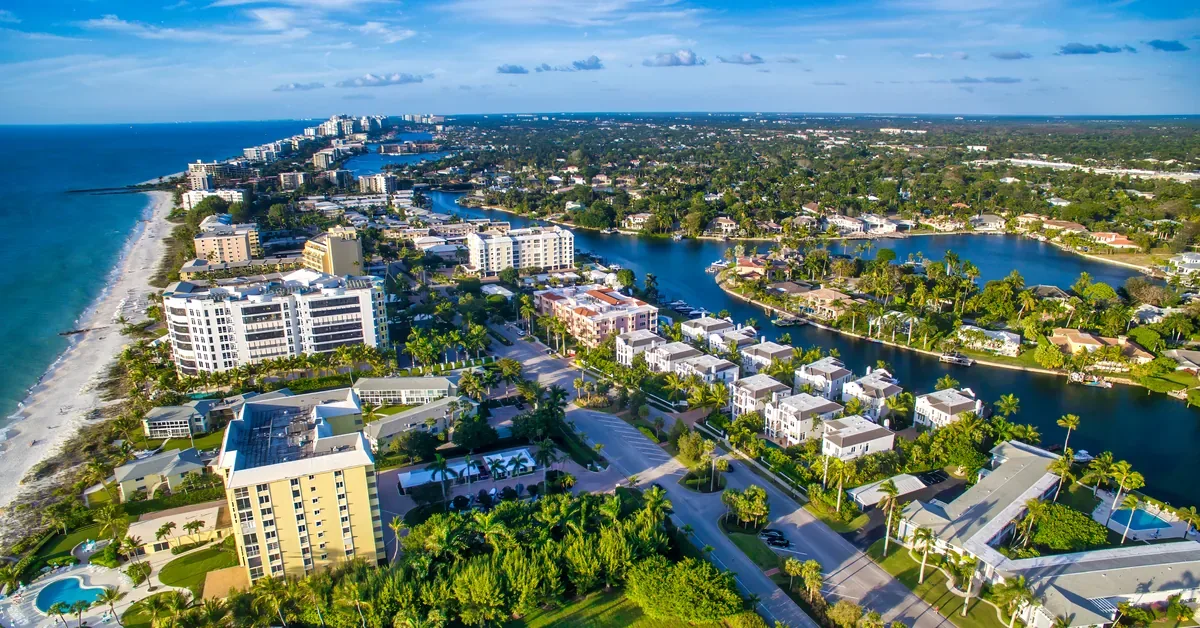
Southwest Florida does not really offer a long cool reset. Conditions remain warm, and elevated moisture is part of the year-round environment. Seasonal shifts still happen, but they occur within an already humid baseline. That steady exposure is why climate-controlled storage for high-value vehicles and collections deserves more attention here than it might in a drier climate.
Materials react to moisture. Finishes respond to air quality. Mechanical systems can sit idle for long stretches in conditions that were never intended to remain unchanged for months. Wine and artwork have their own sensitivities, and even modest fluctuations can matter when they repeat day after day.
The challenge is not a single afternoon of heat or one humid week. It is cumulative exposure. The more valuable or difficult an asset is to replace, the more important it becomes to think about the environment as an active part of preservation.
Consistency Matters as Much as the Temperature
Temperature and humidity are the obvious measurements, but consistency matters just as much. Even indoors, spaces that shift noticeably from day to night or from one season to the next can gradually influence finishes, materials and mechanical components.
For many part-time Naples residents, storage is also fragmented. A vehicle may remain at one property while wine, art or other collections are kept elsewhere. Each location introduces a different set of conditions, and those conditions may not be monitored in real time while the owner is away.
That makes the decision less about finding several convenient places and more about reducing the number of variables surrounding the things that matter most.
Where Typical Storage Can Be Too Temporary
Many storage options in Naples are organized around access and convenience. Units may be leased, buildings are often shared, and interior conditions can change depending on how frequently doors open, how the building is used and how the space was originally constructed.
That model can work well for short-term needs. It is a different proposition when a vehicle or collection is expected to remain in place for months at a time with little day-to-day attention. Providing enough room is only one part of the equation. Long-term care depends on whether the space can keep performing in a predictable way.
What a Controlled Environment Is Designed to Do
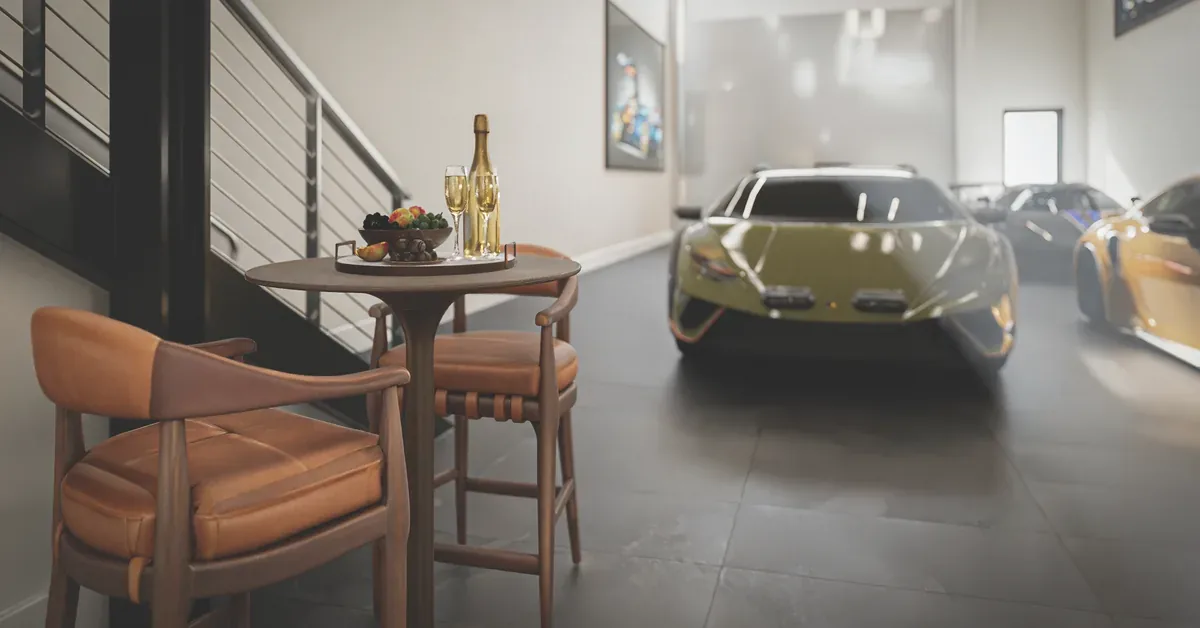
A controlled environment is valuable because it limits variation. Stable temperature and humidity can reduce the repeated expansion, contraction and moisture exposure that gradually affect materials and finishes. For vehicles, that consistency also creates a more predictable setting for components that may sit unused between visits.
Construction matters, too. A space designed for long-term ownership and repeated use is fundamentally different from a temporary unit. In a coastal market, location can also influence the decision. Keeping vehicles and collections in a climate-controlled environment designed for consistent performance can support preservation and may also be relevant to the way owners and insurers evaluate how valuable assets are being protected.
The same principle applies to wine and artwork. The goal is not to create an extreme environment, but a stable one — a place where the conditions on the day you leave are as close as possible to the conditions you return to.
Hurricane Season Brings the Question Into Focus
Hurricane season naturally makes owners think more carefully about what is being left behind. But the larger question is not what to do only when a storm appears in the forecast. It is whether the storage environment was chosen to perform consistently before changing weather becomes urgent.
Construction quality, inland positioning and interior stability all contribute to that planning. A stronger long-term approach is to make those decisions well ahead of the season rather than trying to relocate vehicles or collections when options are already narrowing.
Naples Auto Vault Adds an Ownership Model
At a certain point, protecting what you own becomes a decision about how it will be managed over time. That is where the distinction between temporary storage and a purpose-built, privately owned space starts to matter.
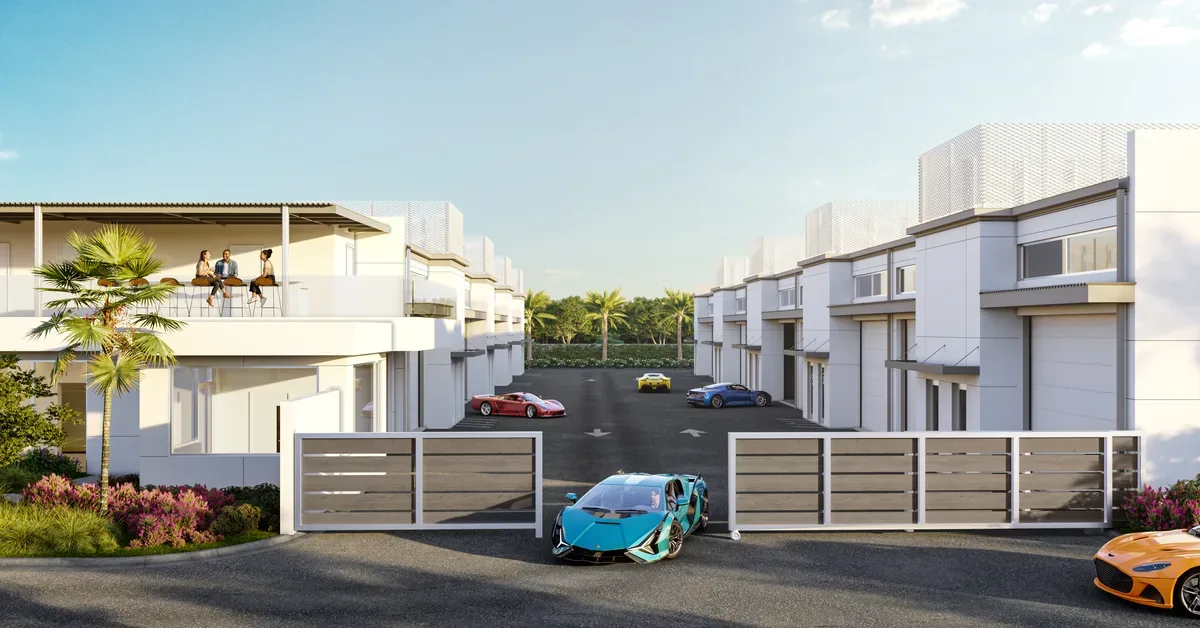
Naples Auto Vault is located on Airport-Pulling Road North, approximately three miles inland. Instead of short-term leased units, the project offers privately owned storage condominiums designed for long-term use.
The project is being developed by The Lutgert Companies and is currently in vertical construction, with Phase 1 delivery anticipated in Q1 2027. Pricing starts from $850,000.
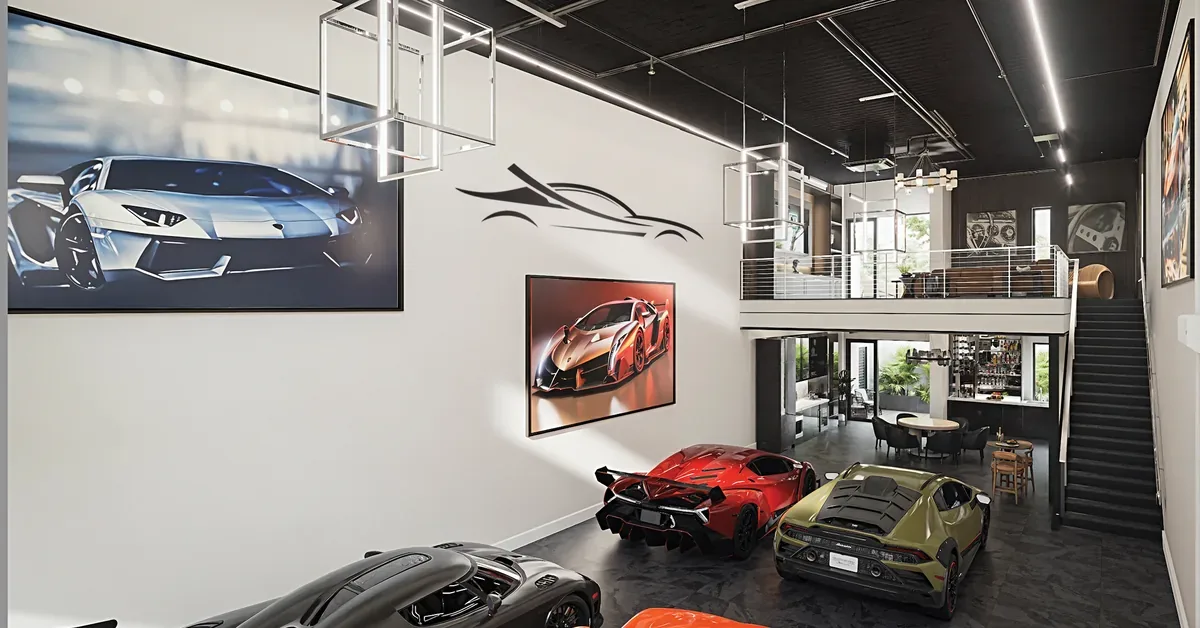
Each unit uses precast and cast-in-place concrete construction and includes a climate-controlled interior within a gated, secure environment. Vehicles may be the primary use, but the spaces can also accommodate wine collections, artwork, RVs and other high-value assets that benefit from a more controlled setting.
As an owned specialty property, the concept also sits within the broader world of luxury real estate development, where the usefulness of the space is part of the value proposition. For a purchase this specific, the same practical questions shaping today’s real estate market — use, performance, timing and confidence — matter more than presentation alone.
Jackie Nelson of Premier Sotheby’s International Realty puts the shift in practical terms: “Buyers are paying closer attention to how their vehicles and collections are maintained when they are not in Naples. It is no longer just about having space. It is about knowing that space performs the same way every time they return.”
What Changes When the Environment Stays Steady
When the environment remains consistent, storage becomes one less seasonal decision to revisit. There is less need to move assets between temporary locations, adjust to different building conditions or wonder what has changed during a long absence.
For owners who divide their time between markets, that predictability can be the real luxury. Vehicles and collections remain in the same setting from one visit to the next, with fewer variables between departure and return.
Exploring Ownership at Naples Auto Vault
For anyone evaluating how to manage high-value vehicles and collections in Naples over the long term, the question eventually moves beyond storage and toward control — control over the environment, the space and the way those assets are cared for between visits.
Phase 1 is continuing through construction. For current pricing and available units, readers can register at NaplesAutoVault.com or contact the sales team directly at 239.427.4950.
Frequently Asked Questions
How do I protect a luxury car from humidity in Florida?
Keep the vehicle in a climate-controlled environment where temperature and humidity remain as consistent as possible. Stable conditions help limit the repeated moisture exposure that can affect finishes, materials and mechanical components over time.
What should I look for in year-round vehicle storage in Naples?
Look beyond the amount of space. Climate control, construction quality, security, inland positioning and the consistency of the interior environment all matter when a vehicle will remain stored for extended periods.
Can climate-controlled spaces help protect wine and art collections?
Yes. Wine and artwork both benefit from stable temperature and humidity, particularly when they will remain untouched for long periods. The goal is to reduce repeated environmental swings that can affect condition over time.
What should I do with vehicles and collections during hurricane season in Naples?
The strongest approach is to have them in a controlled, well-constructed environment before a storm is approaching. Planning ahead gives owners more options and avoids last-minute relocation decisions; the Naples Auto Vault FAQ provides additional first-party information about the property and ownership model.
From Prime Cut to Rooftop Cocktails: Dining at Boca West
May 21, 2026 | Read Time: 8 minutes

At Boca West Country Club, dinner is rarely just a reservation. A drink on the rooftop can lead into a steakhouse dinner, a special menu can turn an ordinary evening into a culinary event, and a casual lunch can become part of a full day spent moving through the Club.
That rhythm is at the center of Boca West Country Club’s original dining feature, which looks at the Club’s culinary program through Prime Cut, signature dinner events and a collection of venues designed for different moments of the day. The appeal is not simply the number of places to eat. It is the way food, service and social life overlap from morning coffee through an evening cocktail.
Prime Cut may be the clearest expression of that idea, but the larger story stretches from Market Square and Cabanas to Blue Point, Aria Bar + Rooftop and Grand Central. Together, the venues make dining feel less like a separate activity and more like part of the daily pace of Boca West.
One Club, Several Ways to Dine
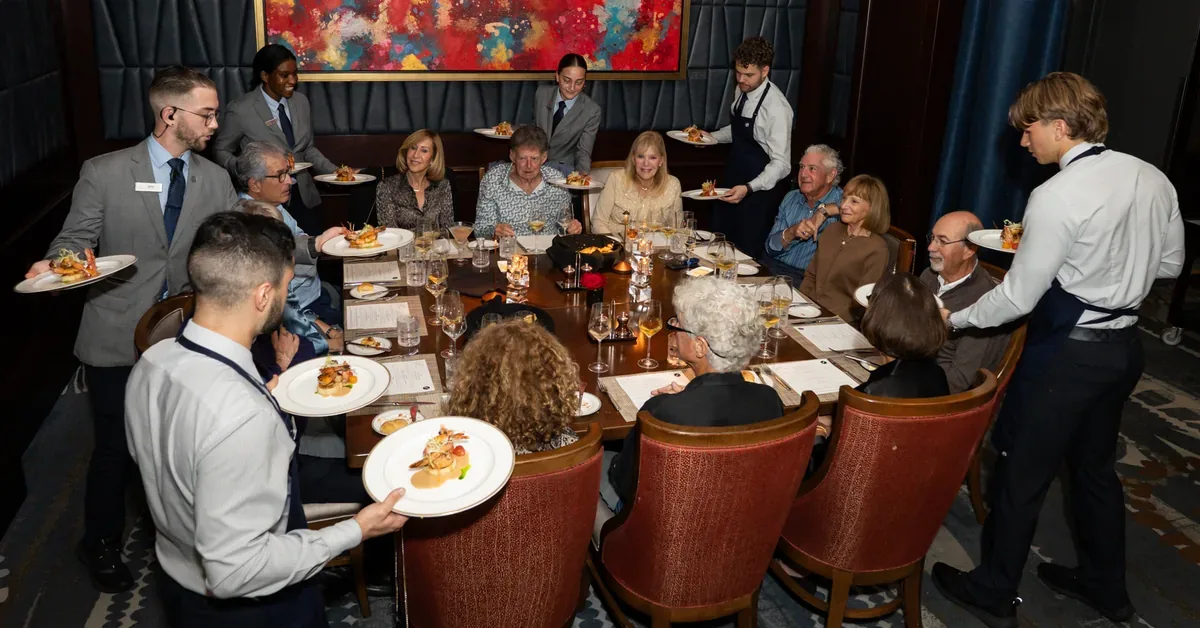
A strong dining program gives people reasons to return without asking every meal to feel the same. At Boca West, the settings change with the hour, the occasion and the mood: relaxed outdoor meals, café-style stops, social gatherings and more refined dinners all have their place.
That variety helps prevent the routine from becoming repetitive. A quick meal between activities does not need the same atmosphere as a milestone dinner, and an evening built around cocktails and conversation should feel different from a casual afternoon by the pool. The common thread is the attention to service and presentation that carries from one venue to the next.
The social side matters just as much. As tables fill and reservations stretch into longer conversations, the meal becomes a reason to stay rather than a task to complete. That is where Boca West’s dining program begins to feel like part of the Club’s larger lifestyle: the setting encourages people to gather, linger and let the evening develop naturally.
Prime Cut Gives Dinner a Sense of Occasion
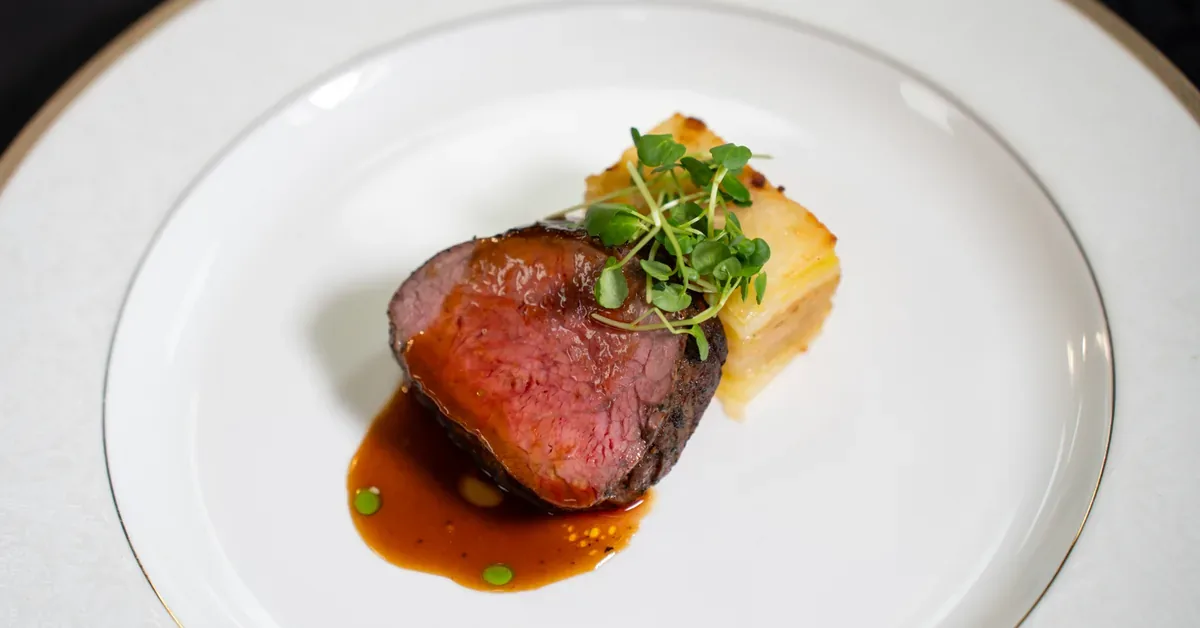
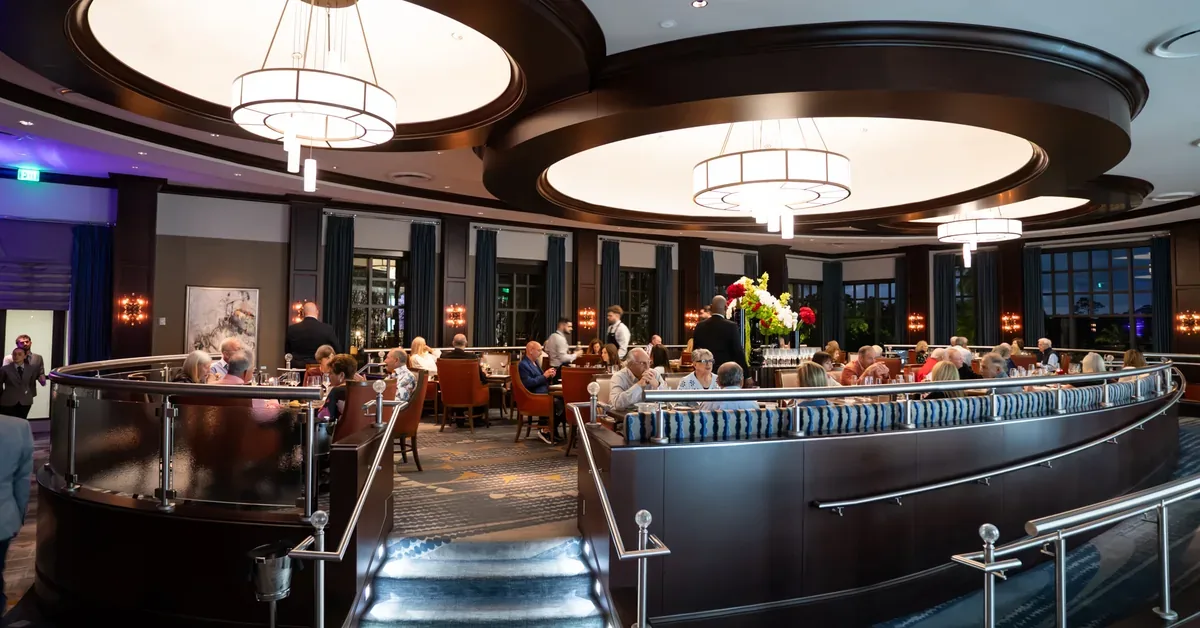
At the Golf & Activities Center, Prime Cut brings a more polished tone to the evening. The steakhouse is built around refined service and a carefully composed menu, with signature offerings that include A5 Wagyu, Alaskan King Crab, premium steak selections and seafood dishes.
The wine program extends that level of detail with a cellar of more than 1,800 bottles selected to pair with different courses and occasions. Before dinner, the bar adds its own reason to arrive early, with handcrafted cocktails, caviar martinis, classic Old Fashioneds and a lounge setting that allows the night to begin before the first plate reaches the table.
Dessert continues the performance rather than simply ending the meal. Baked Alaska is presented tableside, adding a final moment of theater while keeping the focus on hospitality rather than spectacle for its own sake.
“As our culinary program continues to evolve, the goal is always to create experiences that feel both exceptional and welcoming,” said Paul Griffin, Director of Culinary at Boca West Country Club. “Whether it’s an intimate dinner at Prime Cut or one of our larger culinary events, we want every meal to feel memorable, social, and thoughtfully executed.”
When the Menu Becomes the Main Event
Boca West’s signature dinner series shows how the culinary team can use a familiar dining room to create something completely different for an evening. The “Restaurants That Changed America” series transformed Prime Cut into a tribute to influential restaurants and the dishes associated with them.
The concept went beyond borrowing a name or decorating around a theme. Menus were recreated course by course, with the kitchen focusing on technique, presentation and flavor so that each dinner could evoke the restaurant being honored while still feeling grounded in Boca West.
One evening looked to Delmonico’s in New York City, often cited among America’s earliest fine-dining institutions. Ribeye “Delmonico,” Lobster Newberg, Oysters Rockefeller, potato casserole and jumbo asparagus were paired with wines chosen to match the richness of the menu.
Another dinner shifted the mood toward New Orleans with a menu inspired by Emeril’s. Creole Barbecue Shrimp, Blackened Snapper and Veal “Tchoupitoulas” carried the meal through savory courses before a Bananas Foster-inspired dessert finished the night.
The result was less about novelty than immersion. For members, the series offered a way to revisit recognizable pieces of American dining history without leaving the Club, while giving Boca West’s culinary team room to interpret each menu through its own service and presentation standards.

The Dining Rhythm Changes From Morning to Night
Prime Cut and the dinner series may draw attention after dark, but Boca West’s full restaurant lineup works because the choices are spread across the day. Market Square can start the morning with coffee, pastries and lighter fare in a café-style setting. Cabanas and Blue Point pick up the pace later with poolside meals, wood-fired pizzas, sushi and a more relaxed atmosphere.
As evening arrives, the tone shifts again. Aria Bar + Rooftop brings together cocktails, rooftop games, conversation and sunset views. Grand Central offers a livelier sports-lounge setting where drinks and shared plates fit naturally around a game or a social gathering.
Those differences give the culinary program range without making it feel disconnected. Each venue has its own role, but the larger pattern is consistent: dining is available as a quick stop, a social pause or the focus of the entire evening depending on how the day unfolds.
“Our restaurants and social venues have become some of the most meaningful gathering spaces within the community,” said Matthew Linderman, President and General Manager of Boca West Country Club. “The culinary experience at Boca West reflects the energy, hospitality, and lifestyle that continue to attract Members from across the country.”

Planning a Boca West Visit Around the Culinary Side
For someone getting to know Boca West, the dining program offers a practical way to understand how the Club functions beyond a single amenity. A morning café stop, an afternoon by the pool and an evening at Prime Cut or Aria each show a different side of the property, while the special dinner series adds another layer for people who enjoy food as an event in itself.
Current clubhouse and dining details can be reviewed through Boca West’s official FAQ, which organizes information about the Club’s three clubhouses, dining venues, amenities, membership and other practical questions.
The original article also points readers interested in the residential side of Boca West to Boca West Realty, the exclusive on-site real estate team, which is available seven days a week. The Boca West Realty Welcome Center is located at 7763 Glades Road, Boca Raton, Florida 33434.
However someone arrives at the Club, the culinary story is easiest to understand as a sequence of choices rather than one signature restaurant. Prime Cut gives dinner a sense of occasion. The rooftop adds a social beginning or end to the night. Daytime venues keep the pace relaxed. Together, they make food one of the ways Boca West’s broader social life takes shape.
Frequently Asked Questions
What dining venues are available at Boca West’s Lifestyle & Racquet Center?
The Lifestyle & Racquet Center includes Blue Point, Aria Bar + Rooftop, Cabanas and Market Square. The mix covers casual poolside meals, rooftop drinks and dining, café-style stops and other options that can fit around fitness, racquet sports or a relaxed day at the Club.
What dining is offered at the Golf & Activities Center?
The Golf & Activities Center includes Prime Cut, Mr. D’s 19th Hole & Drive Suites and Grand Central. Prime Cut provides the more refined steakhouse setting, while the other venues support a more relaxed, golf-centered and social atmosphere.
What makes Prime Cut distinctive?
Prime Cut pairs steakhouse dining with a substantial wine program and a bar that can function as a destination before dinner. The menu has featured A5 Wagyu, Alaskan King Crab, premium steaks and seafood, while details such as caviar martinis, classic Old Fashioneds and tableside Baked Alaska add to the evening.
Is Boca West dining mainly an evening experience?
No. The Club’s dining options stretch across the day, from coffee, pastries and lighter fare at Market Square to poolside lunches at Cabanas and casual meals at Blue Point. Evening options then shift toward settings such as Prime Cut, Aria Bar + Rooftop and Grand Central, giving the dining program a different rhythm as the day changes.
Buckhead in World Cup Season: Atlanta’s Global Energy Up Close
May 13, 2026 | Read Time: 8 minutes
A major sporting event can change the way a city is experienced. As the FIFA World Cup comes to Atlanta, the matches at Mercedes-Benz Stadium are only one part of the story. Restaurants, hotels, shopping districts and neighborhoods all become part of the visit, giving people a reason to understand Atlanta beyond the stadium gates.
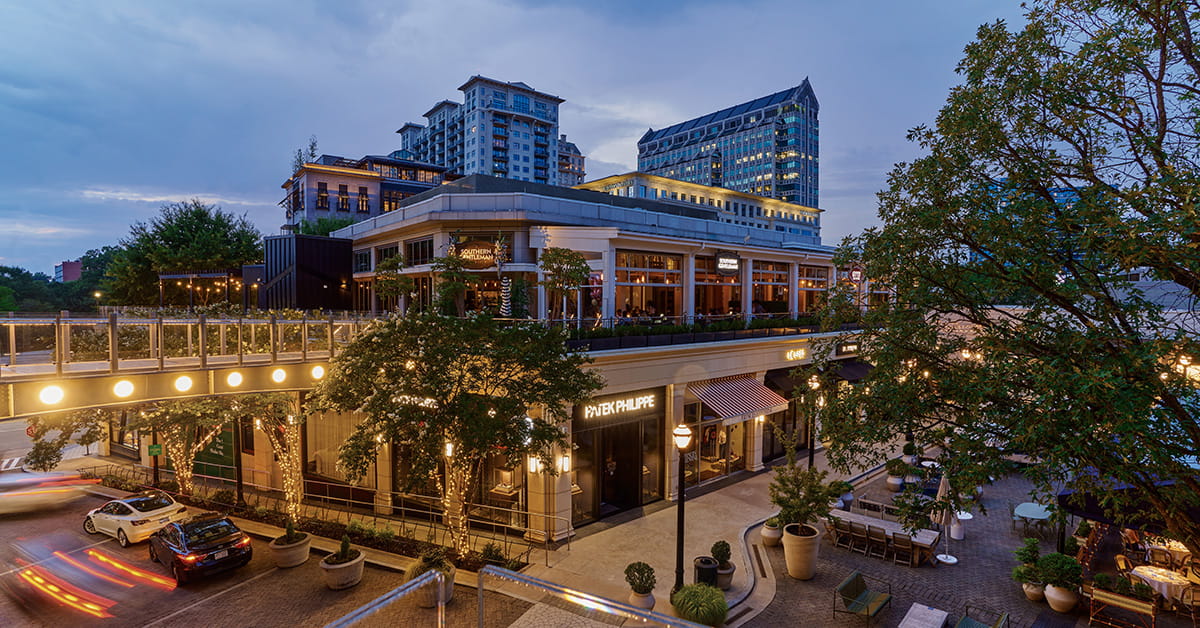
Buckhead offers one of the clearest examples of that wider experience. The district combines luxury retail, dining, hospitality and residential streets within a relatively compact part of the city, making it possible for a World Cup day to begin or end far from the match itself. Discover Atlanta provides the broader visitor context, while Elyse Buckhead’s World Cup guide brings the focus down to the neighborhood level.
That neighborhood perspective is what makes Buckhead especially interesting during a global event. The energy is temporary, but the restaurants, shops, hotels, private gathering places and new residential development are part of an everyday rhythm that was already in motion before the tournament arrived.
Atlanta’s Global Moment Comes Into Focus in Buckhead
Atlanta has long functioned as an international gateway, with air connections linking the city to major destinations across Europe, Asia and South America. The World Cup makes that global identity more visible by bringing different languages, cuisines and perspectives into the city at the same time.
In Buckhead, that international character is expressed at street level. Designer boutiques and local concepts share the same blocks. Restaurants move easily between global influences and Atlanta traditions. Hotels, galleries, private clubs and quieter gathering places add different layers to the district without requiring every outing to feel like a formal itinerary.
The Buckhead Village District is one of the most visible parts of that mix, but the larger appeal comes from how closely the experiences sit together. Shopping can lead into lunch, a hotel bar, a gallery visit or dinner without turning each stop into a separate excursion.
Buckhead’s current residential chapter is part of that same evolution. Cotton & Company’s work on The Dillon Buckhead provides one nearby example of how a new high-rise can be positioned around the lived experience of the neighborhood rather than architecture alone. For visitors, the takeaway is simpler: Buckhead is not a district that switches on only when a major event arrives.

A World Cup Day Can Extend Well Beyond the Stadium
A match may anchor the schedule, but much of a visitor’s impression of Atlanta will be formed in the hours around it. Buckhead gives those hours room to unfold naturally, whether the plan includes coffee, shopping, a spa appointment, dinner or a late drink after returning from downtown.
The district’s location and walkable lifestyle make that flexibility easier to understand. Within the Buckhead core, high-end retail, chef-driven restaurants and hospitality sit close enough together that the day can change direction without requiring much advance planning.
The St. Regis Atlanta is one of the neighborhood’s established hospitality landmarks, and its position along West Paces Ferry places guests close to the retail and dining activity around Buckhead Village. During the World Cup, that makes Buckhead useful not simply as a place to stay, but as a part of the Atlanta experience in its own right.
That distinction matters because the strongest travel memories are rarely limited to the headline event. The streets walked before dinner, the restaurant discovered between plans and the places people return to more than once often become the details that make a city feel familiar.
West Paces Ferry Is Changing in Plain Sight
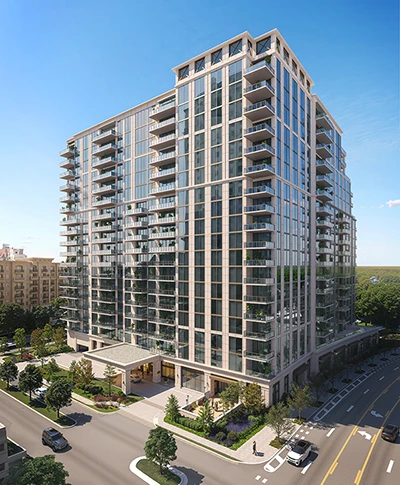
One of the most visible changes along West Paces Ferry is Elyse Buckhead, now moving through active construction beside the St. Regis Atlanta. The 20-story residential tower is Kolter Urban’s third building in the neighborhood, extending a development presence that has already helped shape Buckhead’s recent condominium market.
Elyse is planned with one- to three-bedroom residences, with pricing anticipated from $1 million as of May 2026. Its contemporary glass architecture adds a new vertical presence to West Paces Ferry while keeping the building closely connected to Buckhead Village and the surrounding street life.
By May 2026, the project had surpassed $75 million in early sales, a level of interest that gives the construction activity additional context. The tower is not appearing in isolation; it is arriving within a district where hospitality, retail, dining and residential investment are already overlapping.
That timing also reflects a larger change in how new luxury development is introduced. Cotton & Company’s perspective on luxury real estate launch strategy specifically uses Elyse Buckhead as an example of visibility building well before a project is complete. In Buckhead, World Cup attention adds another layer to a location that was already attracting interest on its own.
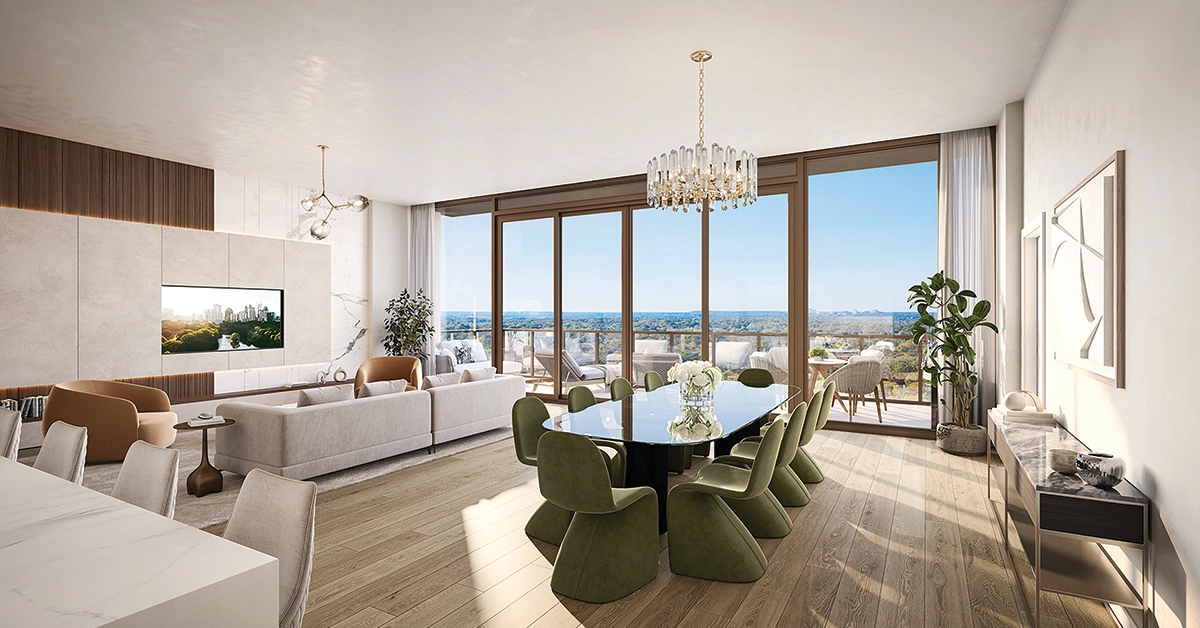
Elyse Buckhead Connects the Residence to the Neighborhood
The residential story becomes more meaningful when it is considered alongside the neighborhood. Elyse is positioned within walking distance of Buckhead Village, so the building’s appeal is not only about what is planned inside the tower. It is also about what can be reached outside it.
Inside the building, the Elyse Buckhead amenity program is designed to extend daily life beyond the individual residence. Wellness spaces, a private spa environment, fitness and movement studios, social lounges, and an elevated outdoor terrace with a resort-style pool create different settings for exercise, downtime, entertaining and informal gathering.
That mix supports a lock-and-leave approach without making the residence feel detached from the city. The building can provide a private home base while Buckhead supplies the restaurants, shops, hotels and cultural activity that give the address its wider context.
Kolter Urban’s broader development platform also helps explain the continuity between Elyse and the company’s earlier work. Cotton & Company’s Kolter portfolio overview provides additional context on the developer’s approach across multiple residential markets, while Elyse translates that experience into a distinctly Buckhead setting.
Early Sales Reflect a Broader Urban-Living Shift
Buckhead’s momentum also reflects a broader change in how buyers evaluate urban condominium living: not simply as a residence with a strong address, but as a way to participate more easily in the neighborhood around it.
“Buyers today are looking for a lock-and-leave lifestyle that allows them to fully engage with the neighborhood around them,” says Anne Schwall of Atlanta Fine Homes Sotheby’s International Realty. “What we’ve seen in Buckhead, and particularly Kolter Urban communities, is a strong level of early interest that reflects both the location and the way the buildings have been designed to enhance the private lifestyle of its residents.”
The point is less about one sales milestone than about the relationship between the building and its setting. A residence can provide privacy and convenience, but the surrounding district determines how easily dining, retail, hospitality and everyday errands become part of the routine.
That is also why new-development teams increasingly pay attention to more than raw lead volume. Cotton & Company’s real estate marketing and digital strategy capabilities emphasize the relationship among buyer behavior, market signals, content and sales performance. In practical terms, the same principle applies to a buyer evaluating Buckhead: the address matters most when the pieces around it work together.
Seeing Buckhead Between Matches
For World Cup visitors, Buckhead offers a useful counterpoint to the intensity of match day. The district can feel active without being defined by the event, and its strongest qualities are visible in ordinary moments: walking between shops, meeting friends for dinner, returning to a familiar hotel bar or noticing a new building taking shape on a street that already feels established.
That is what gives the neighborhood relevance beyond the tournament. A global event may introduce more people to Buckhead, but the experience they encounter — hospitality, dining, retail, residential life and a sense of connection between them — is already part of the district.
For readers who want to understand the residential side of that change, the Elyse Buckhead inquiry page provides project information and appointment details, while its Sales Gallery across from the construction site offers a closer look at what is taking shape along West Paces Ferry.
Frequently Asked Questions
What is Buckhead known for in Atlanta?
Buckhead is known for a concentrated mix of luxury retail, restaurants, hotels, private gathering places and residential neighborhoods. Around Buckhead Village and West Paces Ferry, many of those experiences sit close together, which makes the district easy to explore as part of a broader Atlanta visit.
Where is Elyse Buckhead located?
Elyse Buckhead is planned along West Paces Ferry Road adjacent to the St. Regis Atlanta and within walking distance of Buckhead Village. The location places the condominium close to the dining, shopping and hospitality that shape the neighborhood’s daily rhythm.
What amenities are planned at Elyse Buckhead?
Elyse Buckhead is planned with approximately 63,000 square feet of indoor and outdoor amenities. The program includes social lounges, private dining and entertaining spaces, a screening theater, fitness and movement areas, spa features, and an elevated outdoor terrace with a resort-style pool, giving residents multiple ways to use the building beyond their individual homes.
When is Elyse Buckhead expected to be completed?
Elyse Buckhead is expected to be delivered in late 2028. Construction timing can evolve, so current project updates should be checked when planning around a future move.
A Guide to Martin County’s Best Live Music Venues
May 8, 2023 | Read Time: 6 minutes

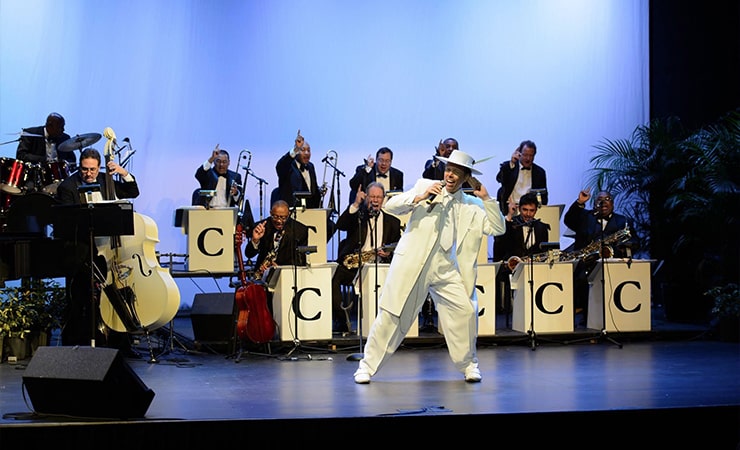
Source: Lyric Theater
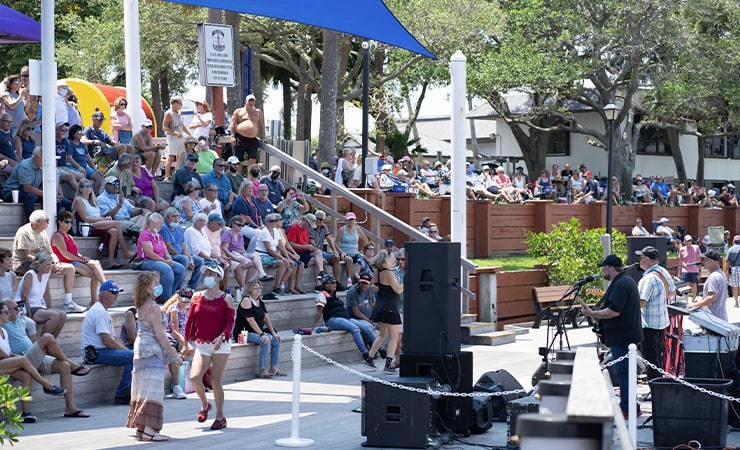 Source: Rock’n Riverwalk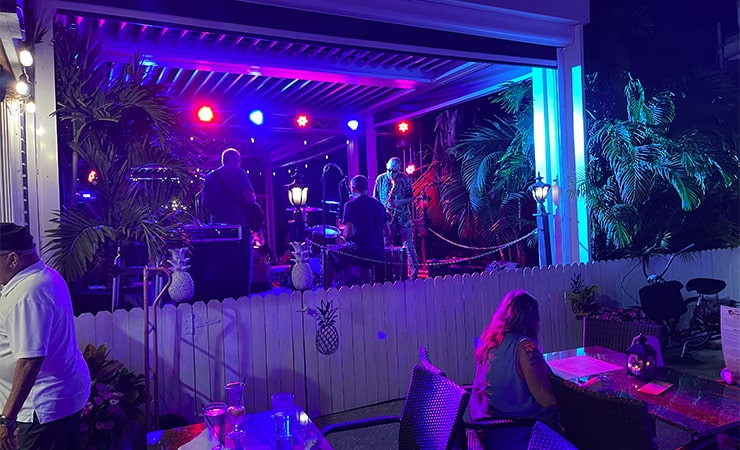
It’s a Dog’s Life on the Treasure Coast!
April 26, 2023 | Read Time: 3 minutes



North Florida’s Expanding Healthcare System: Everything You Need to Know
April 25, 2023 | Read Time: 3 minutes



A Taste of Martin County
March 22, 2023 | Read Time: 4 minutes


How This Coastal Province Became One of The South’s Best Small Towns
September 20, 2022 | Read Time: 4 minutes
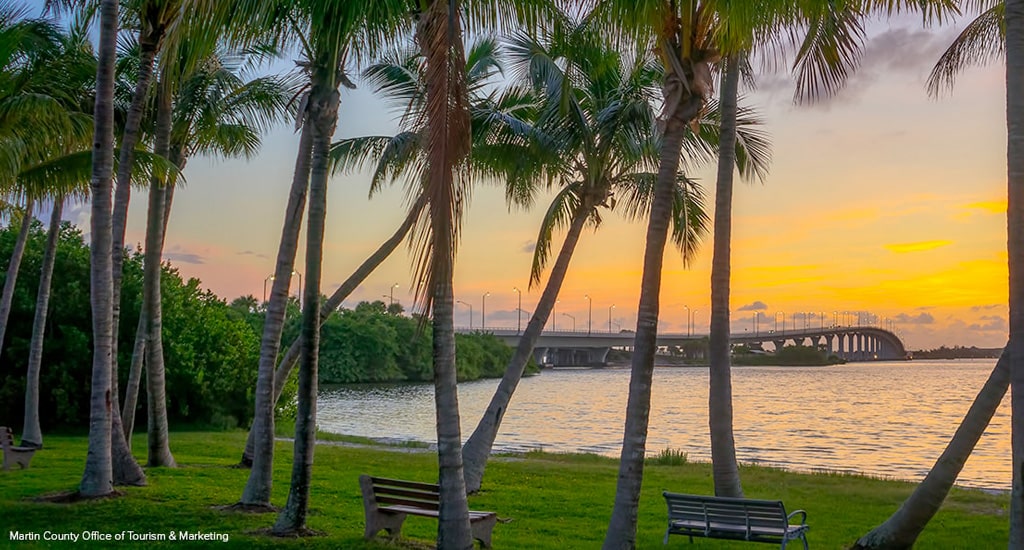
With picturesque natural scenery and friendly locals in abundance, Florida’s small towns celebrate the very best of leisure lifestyles. Contrary to their quaint sizes, however, charming small-town cities like Stuart along Florida’s Treasure Coast have a renowned reputation. Ranked #6 on Southern Living’s Best Small Towns List for 2022, Stuart encompasses the essence of coastal small-town living. A truly one-of-a-kind area, see for yourself what makes Stuart so authentic.
A Community Surrounded by Water
The Okeechobee Waterway and St. Lucie Inlet converge and surround the quaint city of Stuart to create a natural paradise. Enveloped by these scenic waterways, this community is uniquely connected by bridges. Leading to the Intracoastal Waterway, the bodies of water feed out into the Atlantic Ocean, a true dream for waterfront living. In unique proximity to both fresh water and salt water, locals are often found boating, kayaking, paddle boarding, fishing, and enjoying the very best of living in paradise.

Dive Into an Active Lifestyle
Given the gorgeous natural scenery, it is no surprise that locals love to live a healthy, outdoor lifestyle. A plethora of ways to stay active provide a fresh and fun twist on staying happy and healthy. Venture into the outdoors and enjoy activities unique to living in a coveted beachside town, including yoga on the beach, hiking protected nature trails, playing racquet sports and golfing on internationally renowned courses. Watersports are popular for those wanting to make the most of coastal Florida living. Spend the day on the water via paddleboard or kayak. With a gorgeous backdrop and sunny weather, there is always something to do on land or water!
Explore The Vibrant Downtown Within This Scenic Hideaway
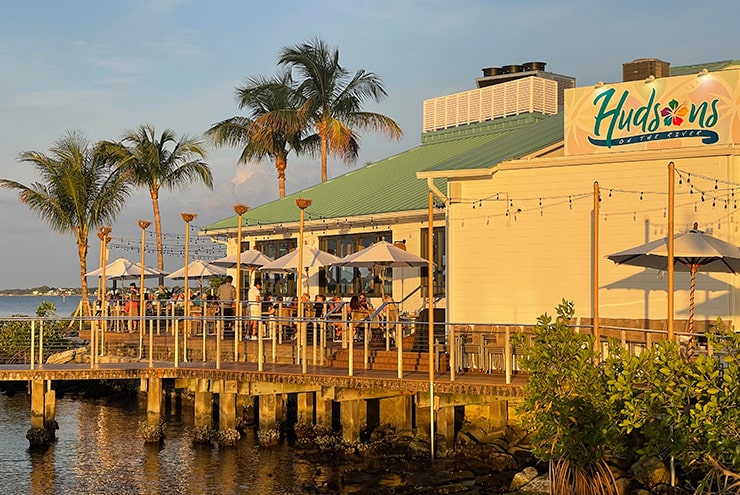
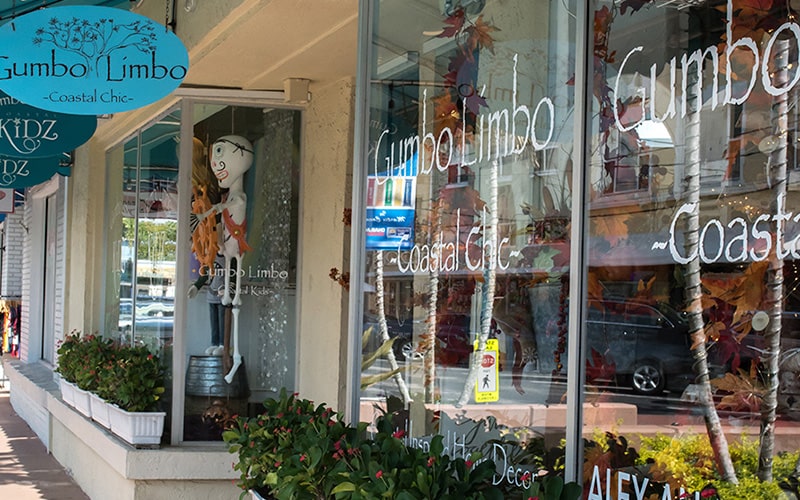
Known by few but cherished by many, Stuart oftentimes feels like a private hideaway. Surrounded by adjacent coastal towns, Stuart is the local epicenter for shopping and dining. The vibrant downtown embodies the charm and leisure lifestyle of the area. Popular boutiques like April Daze, Matilda’s and Gumbo Limbo are local favorite places to find coastal gifts for family, friends and yourself! A wide variety of restaurants including the Stuart Boathouse, Hudson’s on the River, and The Gafford make dining experiences exciting and lively. This waterfront downtown hosts a green market every Sunday morning, highlighting the best small businesses in Martin County. Immediately following the market is Rock’n Riverwalk, a boardwalk concert series featuring local musicians who never fail to bring the community together for a good time. Although seemingly hidden off the map, Stuart is a lively area with much to see and do.
Over a Century of Rich History
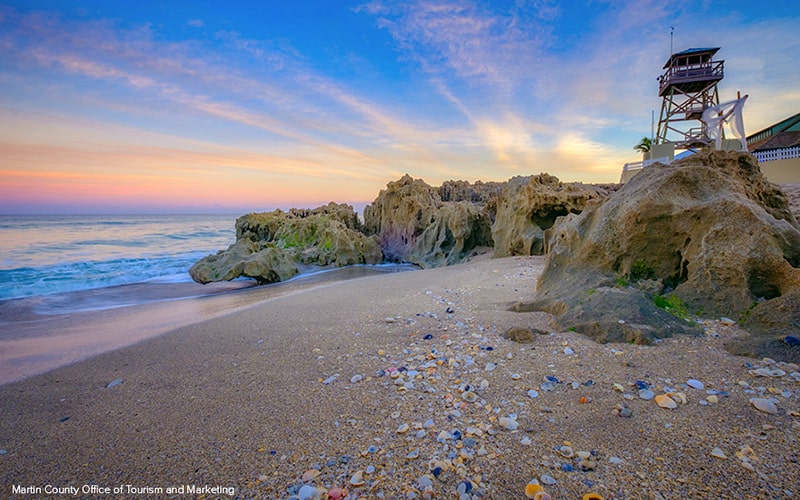
Established in 1870, Stuart has a rich and authentic history. Residents take pride in the area’s locally famous landmarks. A museum that was once a shelter for shipwreck survivors, The House of Refuge is a scenic spot to watch sunsets and learn about Florida’s maritime history. Located in the heart of historic Downtown Stuart, The Lyric Theater was a silent movie house popular in the 1920s and is now a dazzling performing arts venue. For those looking to learn about a century and a half of Stuart’s history, look no further than The Elliott Museum and the Historical Society of Martin County. More than just another coastal small town, Stuart has played an important role throughout the course of Florida history.
A Close-Knit Community Like No Other
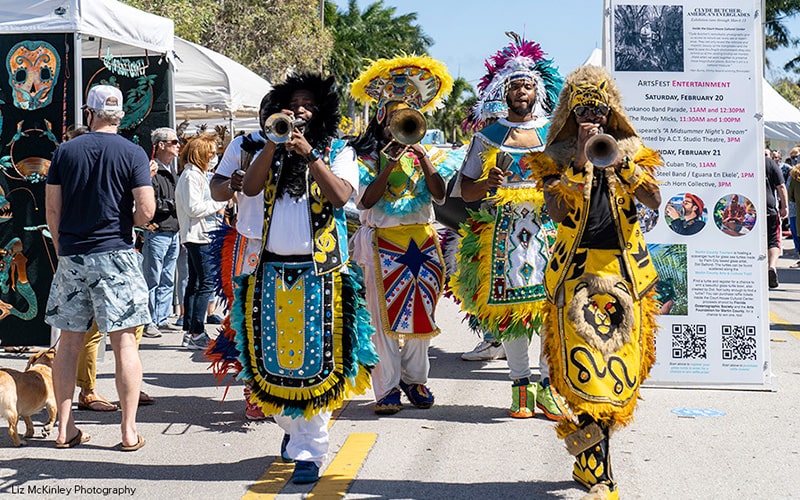
A place that is warm and welcoming, Stuart’s locals have a reputation for supporting the community and its people. From supporting local farmers at the green market to inspiring a passion for the arts with the annual ArtsFest, the community prioritizes helping the area and its people in any way possible. Friendly faces are in abundance and community involvement is at an all-time high, as there is always an event being celebrated. United by a love for leisurely coastal living, locals embrace all that the Stuart community has to offer.