
From Beaches to Baseball: 10 Ways to Explore the Treasure Coast from Wylder
July 30, 2026 | Read Time: 9 minutes
The Treasure Coast is easier to understand through the way a weekend can unfold than through any single list of attractions. A morning on the river, an evening along the Fort Pierce waterfront, a spring training game or a sunset over protected marshland can all become part of the routine, giving the region a sense of variety that extends well beyond its coastline.
That range is one of the area’s defining qualities. Historic downtowns, river launches, golf, performing arts, preserved natural landscapes and freshwater recreation create different ways to spend a day without leaving the region. Together, they show a side of Florida that is as much about access to outdoor and cultural experiences as it is about the beach.
For residents of Wylder in western Port St. Lucie, many of those destinations are within convenient reach. Access to I-95 and Florida’s Turnpike creates a practical starting point for exploring the Treasure Coast while returning to a community centered on outdoor living and everyday connection. The places that follow are among the experiences the Wylder team points to when buyers want a better sense of what life in the region can actually look like.
Why Port St. Lucie Works as the Launch Point
One of the biggest surprises for buyers relocating from South Florida is how much variety exists within a short drive of home. As Wylder residents Chad and Susan discovered after moving north from Broward County, you’re “just far enough where it’s quiet, but seven minutes away you’ve got what you need.”
A Saturday might begin watching the sunrise over North Hutchinson Island, continue with an afternoon paddle along the North Fork of the St. Lucie River, and end with dinner overlooking the Indian River in Downtown Fort Pierce. Sunday could just as easily include a Mets spring training game, a round of golf, or a peaceful walk through one of the region’s remarkable nature preserves.
That’s what makes Port St. Lucie, and Wylder, such a compelling home base. You don’t have to choose between beaches, outdoor recreation, arts and culture, or small-town charm because they’re all woven into everyday life.
1. Fort Pierce Inlet State Park
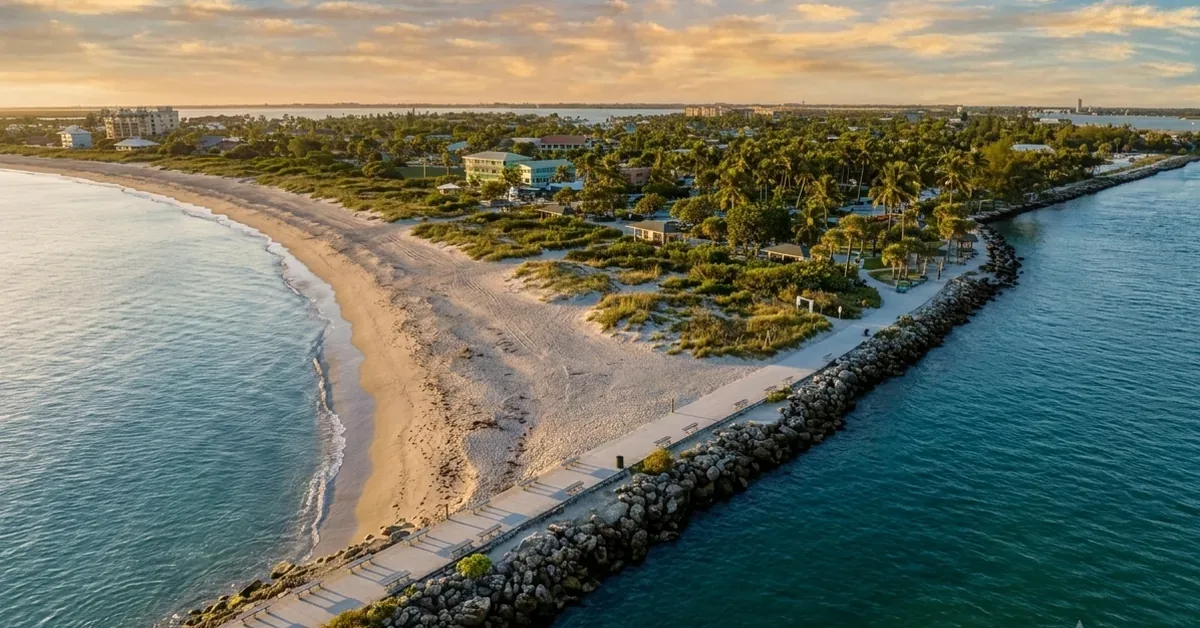
About 30 minutes from Wylder, Fort Pierce Inlet State Park is one of those places residents return to throughout the year because every visit offers something different. One weekend might be spent relaxing on the beach, another snorkeling near the jetty, and another simply walking the shoreline after a busy week.
Its greatest strength is its versatility. Rather than feeling like a destination reserved for vacations, Fort Pierce Inlet becomes the kind of place that’s easy to work into everyday life. If you’re planning a weekend visit, arriving earlier in the day is worthwhile, especially during peak beach season when parking fills quickly.
2. White City Park and Boat Ramp
About 20 minutes from Wylder, White City Park introduces newcomers to a quieter side of the Treasure Coast that many don’t discover until after they’ve moved here.
The North Fork of the St. Lucie River moves at its own pace, making it a favorite spot for kayaking, fishing, and peaceful mornings beneath the trees while the water does what water does best: slow everything down. Early mornings typically offer the calmest paddling conditions, making it an ideal launch point for exploring the river.
It’s also one of the places the Wylder team frequently recommends to buyers looking for an authentic glimpse of Old Florida without driving hours away.
3. Frederick Douglass Memorial Park
About 35 minutes from Wylder, this Fort Pierce beachfront park offers one of Florida’s most memorable coastal experiences: guided horseback rides along the Atlantic shoreline.
The setting is simple and unforgettable, wide-open beach, ocean breeze, and uninterrupted views that make the experience feel worlds away from the everyday. For many visitors, it’s the moment they realize the Treasure Coast offers experiences that extend far beyond a traditional beach day.
Horseback rides require advance reservations and often book ahead, making a little planning well worth the effort.
4. Downtown Fort Pierce
Sometimes the best evenings are the ones without much of a plan.
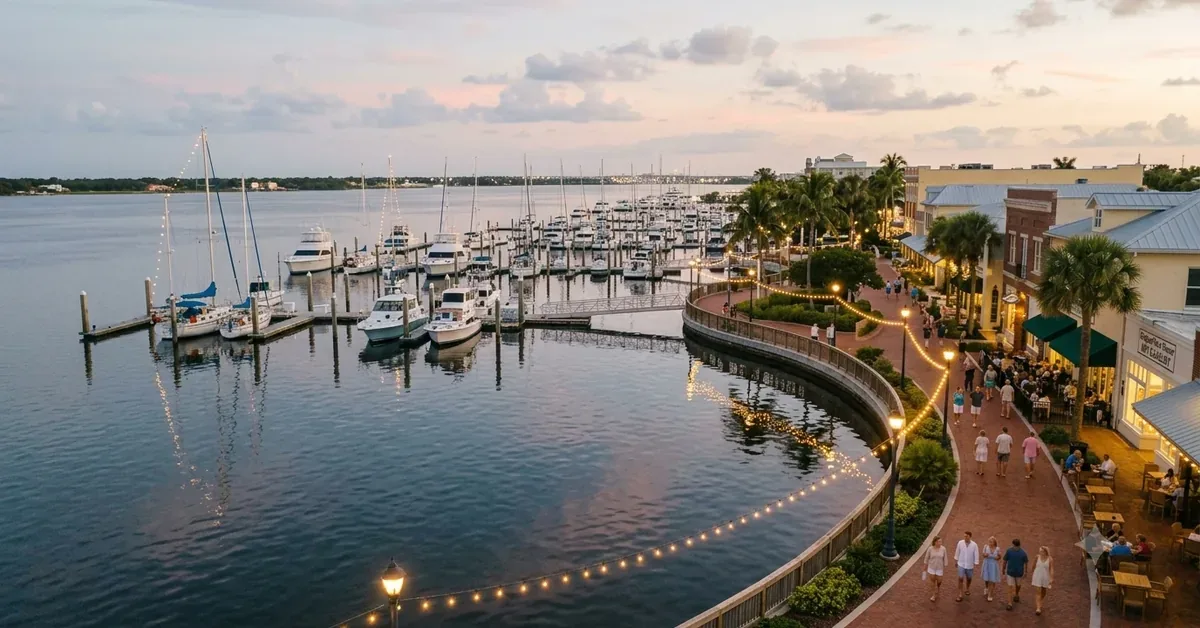
About 30 minutes from Wylder, Downtown Fort Pierce invites you to stroll along the Indian River Lagoon, browse local shops and galleries, enjoy dinner at a waterfront restaurant, and simply let the evening unfold. Historic architecture and a vibrant local business scene give the district a personality that feels authentic rather than manufactured.
Glynlea residents Chad and Susan admit Downtown Fort Pierce wasn’t even on their radar before moving north. As Chad puts it, “We didn’t even realize what a cool little place it was until we got up here. It still feels like that old Florida feel.”
That may be the best description of Downtown Fort Pierce. Local breweries, chef-owned restaurants, live music, galleries, and the popular Saturday Farmers Market create reasons to return throughout the year. If you’re visiting for the first time, Saturday morning is an excellent introduction before lingering into lunch or dinner along the waterfront.
5. Sunrise Theatre
Located in the heart of Downtown Fort Pierce, Sunrise Theatre brings Broadway productions, nationally touring musicians, comedy, dance, film, and community performances to the Treasure Coast.
It’s another reminder that life here isn’t defined solely by beaches and outdoor recreation. Having a beautifully restored historic theatre nearby adds another layer to everyday living, making it just as easy to enjoy a night downtown as it is to spend a day on the water.
Checking the performance calendar before planning a weekend outing has become second nature for many local residents.
6. Oxbow Eco-Center
Families often arrive expecting a short walk-through nature and leave talking about turtles basking on logs, wading birds along the riverbank, or wildlife they never expected to find so close to home.
Located just minutes from Wylder, the Oxbow Eco-Center offers trails, educational exhibits, and seasonal guided nature programs that help visitors better understand the ecosystems that define this part of Florida. It’s one of those places where children and adults leave equally fascinated.
For families, it’s an easy morning outing that quietly reminds you how closely Port St. Lucie remains connected to Florida’s natural landscape.
7. Savannas Preserve State Park
Wide-open marshes stretch toward the horizon where roseate spoonbills, osprey, and other native birds create one of the Treasure Coast’s most peaceful landscapes.
Visit early in the morning or near sunset when wildlife is most active, and the preserve reveals an entirely different side of Florida. Walking the trails here reminds you that some of the state’s most memorable scenery isn’t found at the beach.
For buyers comparing Florida communities, easy access to places like Savannas Preserve often becomes an unexpected advantage of living on the Treasure Coast.
8. Clover Park, Spring Training Home of the New York Mets
Spring training isn’t simply an event here, it’s part of the rhythm of the community.
Each year, families, longtime Mets fans, seasonal visitors, and first-time spectators gather at Clover Park to celebrate the return of baseball. The excitement, sunshine, and community atmosphere make spring one of the most enjoyable times to be in Port St. Lucie.
Popular games often sell out well in advance, making it worthwhile to purchase tickets early if a favorite opponent is coming to town.
For residents, that’s simply part of the annual calendar.
The calendar has texture.
9. Glynlea Country Club
Some of the Treasure Coast’s best discoveries are a short drive away. This one happens to be right at home.
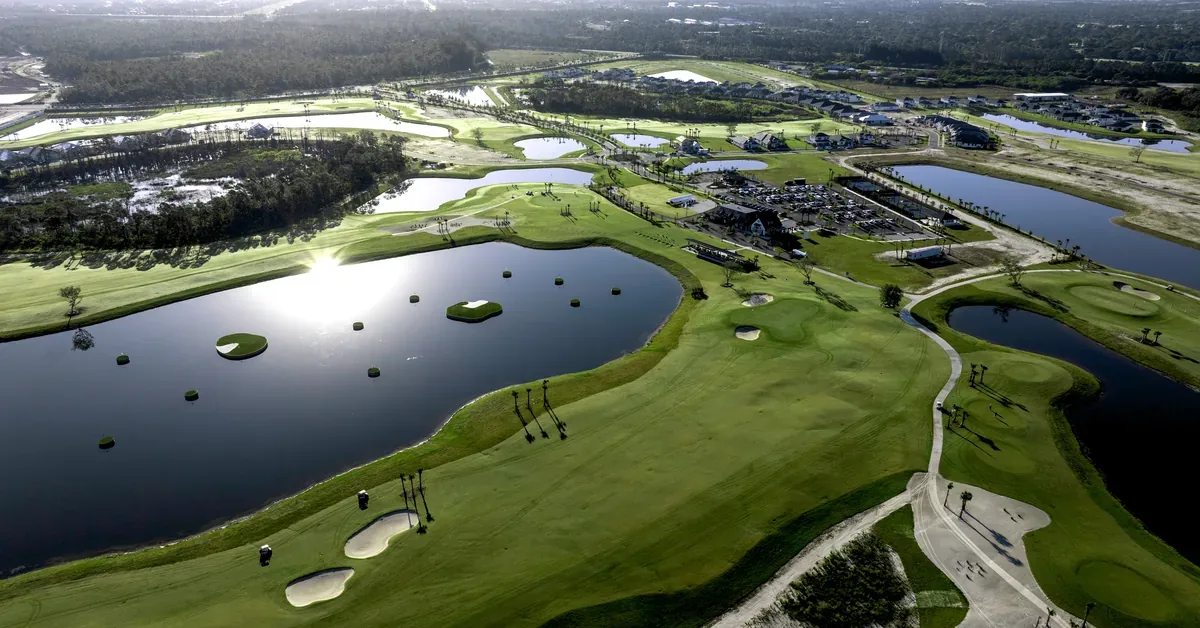
Anchored by the first Jim Furyk Signature Course, Glynlea Country Club reflects the same philosophy that shapes Wylder itself: everyday life should include opportunities to reconnect, slow down, and spend more time doing the things you enjoy.
Whether it’s fitting in a quick round after work, meeting neighbors for dinner, or simply enjoying views across beautifully designed fairways, Glynlea makes golf feel less like a destination and more like part of daily life. That’s a different kind of luxury, one built around convenience, community, and time well spent.
10. Tradition in Port St. Lucie
Sometimes the best plans are also the simplest.
About 20 minutes from Wylder, Tradition has become one of Port St. Lucie’s favorite gathering places thanks to its walkable town center, restaurants, seasonal events, and welcoming atmosphere.
Dinner on the square. Live music. Weekend markets. An evening stroll around the lake. It’s easy to understand why residents find themselves returning again and again. Rather than feeling like another shopping district, Tradition has become one of the city’s social gathering places.
Bonus Adventure: Lake Okeechobee
Most people think Florida’s story ends at the beach. Living on the Treasure Coast reminds you there’s another Florida waiting just inland.
Within about an hour of Wylder, Lake Okeechobee opens the door to freshwater fishing, wildlife viewing, scenic trails, and expansive landscapes that feel worlds away from the coast. Cooler months are especially rewarding for fishing, birdwatching, and enjoying the lake’s remarkable natural beauty.
Having easy access to both the Atlantic coastline and one of the country’s largest freshwater lakes is one of those lifestyle advantages that many buyers don’t fully appreciate until they experience it themselves.
Why People End Up Staying
Individually, each of these places is worth exploring. Together, they tell a much bigger story about life on the Treasure Coast. Beaches, rivers, historic downtowns, spring training, performing arts, golf, freshwater adventures, and preserved natural landscapes become part of everyday life rather than occasional destinations.
That’s what makes Wylder different. It isn’t simply another master-planned community. It’s a place that puts one of Florida’s most diverse and underrated regions within easy reach, making it easier to spend less time driving and more time enjoying where you live.
Many buyers arrive expecting to evaluate a home. What often surprises them is how quickly they begin imagining weekends like these as part of everyday life.
As Susan shared after moving to Wylder, she and Chad made more friends in a matter of months than they had in years where they lived before. That sense of connection, combined with access to everything the Treasure Coast offers, is what transforms a move into a lifestyle.
Start by exploring the Treasure Coast. Then imagine what it would be like to experience it as a local. To learn more about Wylder’s master-planned lifestyle and neighborhoods in Port St. Lucie, visit LiveWylder.com.
Boulevard of the Arts Is Coming Into Its Own in Sarasota
July 1, 2026 | Read Time: 9 minutes
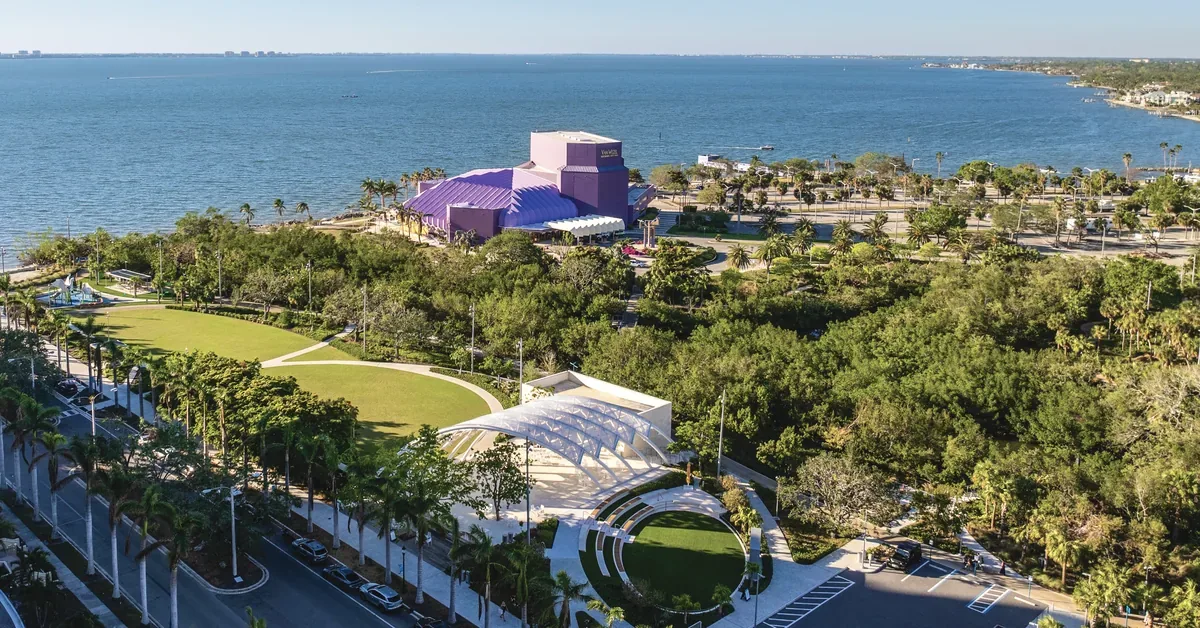
On Boulevard of the Arts, Sarasota’s bayfront is beginning to feel less like a collection of separate projects and more like a district finding its rhythm. A members-only dining club, a nationally recognized waterfront park, World Cup watch parties, new service concepts and another way onto the water are all taking shape within the same corridor.
What makes the moment interesting is the way those pieces connect. Boulevard of the Arts links Sarasota Bay, The Bay Sarasota, The Quay Waterfront District and the city’s Arts & Culture District in a setting where public space, private hospitality, recreation and new residential development increasingly overlap.
The original Lyfe Rocks feature on Boulevard of the Arts captures that momentum through the places and experiences arriving around the corridor. At the center of the residential story is 1000 Boulevard of the Arts, Kolter Urban‘s planned bayfront condominium for a location that is becoming more active, social and connected by the season.
“Every week, there seems to be something new to talk about on Boulevard of the Arts,” said Pamela Kent, Sales Executive for 1000 Boulevard of the Arts. “A restaurant announcement, a park event, a waterfront experience, a new private concept, buyers are noticing it. They can feel that this part of Sarasota has real energy behind it.”
A New Private Club Adds an Evening Rhythm
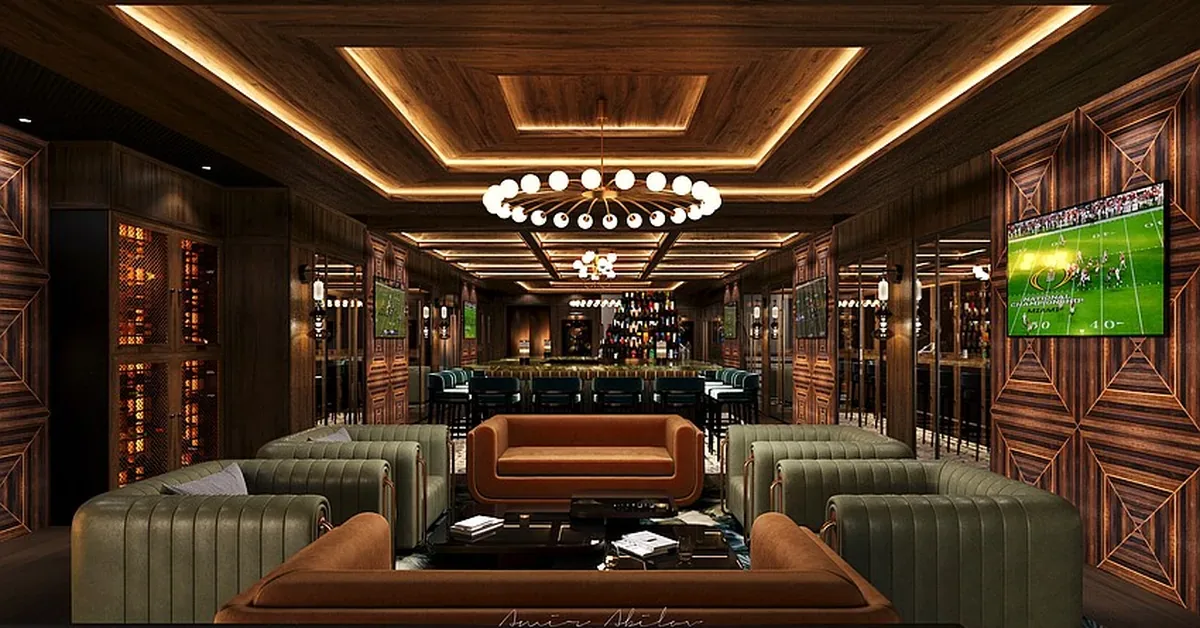
One of the corridor’s most anticipated additions is 1000 North Sarasota, a private dining club expected to open this season on Boulevard of the Arts. The members-only concept is backed by a group of well-known founders, including Michael Jordan, bringing a nationally recognized name to a stretch of Sarasota already shaped by the performing arts, the waterfront and continued growth around The Quay.
Its importance to the neighborhood is less about celebrity than about what it adds after sunset. A compelling urban district needs places people return to for dinner, conversation, celebrations and familiar routines. Private dining introduces another reason to stay within the corridor in the evening, adding a social layer to the public, cultural and residential activity already surrounding the bayfront.

The Bay Is Becoming a Nationally Recognized Front Yard
Across from 1000 Boulevard of the Arts, The Bay Sarasota has become one of the clearest expressions of the corridor’s public side. Its waterfront paths, open lawns, fitness programming, music, family activities and shaded places to pause give downtown Sarasota a green space that works as both destination and daily routine.
The park’s “One Park for All” vision has also received a 2026 Regional & Urban Design Award from the American Institute of Architects. The recognition highlights a broader approach to the bayfront that combines gathering, recreation, ecological restoration and access rather than treating the waterfront as scenery alone.
For Boulevard of the Arts, that matters because the park gives the surrounding district something difficult to manufacture: a public place that people already use. It brings green space, waterfront access and cultural programming into everyday life, giving nearby residences and businesses a shared setting rather than simply a view.
Big Events Are Bringing the Waterfront Together
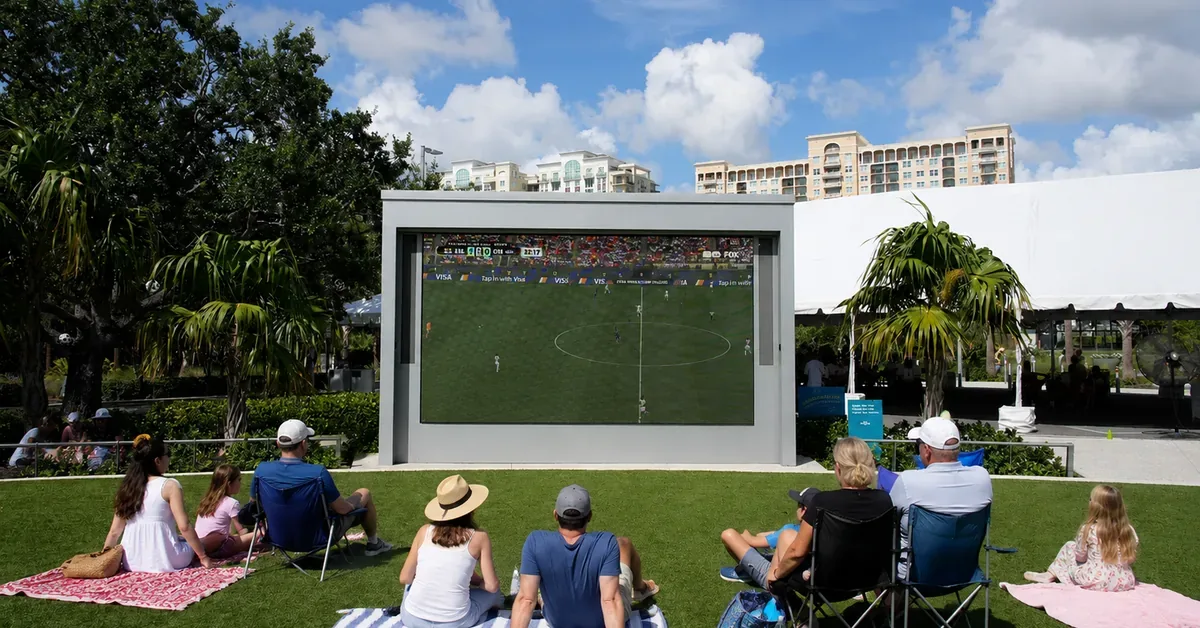
The Bay’s role continues to expand beyond passive recreation. This summer, the park is also hosting a FIFA World Cup 2026 watch-party series with Sarasota Paradise, turning the waterfront into a gathering place for large-screen match broadcasts and shared celebrations.
That type of programming changes how a park is experienced. A morning walk can give way to an afternoon by the water and then to an evening event, all without leaving the same part of downtown. The setting becomes useful at different hours and for different reasons.
The pattern is increasingly visible along Boulevard of the Arts. The Bay is simultaneously a park, a cultural lawn, a waterfront meeting place and a neighborhood anchor. That variety gives the corridor a stronger sense of life between major destinations rather than only at them.
Curated Services Extend the Lifestyle Beyond the Park
Some of the corridor’s newer concepts are quieter than a public event but just as revealing. They suggest that Boulevard of the Arts is developing around service as well as activity, giving residents and visitors more personalized ways to use the neighborhood.
The Wine Concierge, proposed for 1224 Boulevard of the Arts, is planned as an appointment-only fine wine and liquor concept organized around personal service, special orders and tailored pickup rather than traditional retail browsing. For dinners, entertaining or a collection at home, the model adds a more curated way to source what is needed without turning the errand into the experience.
Nearby, Kokomo Yacht Club takes a similar service-minded idea to the water. The private membership organization offers access to privately owned vessels through separate charter arrangements, creating another way to enjoy Sarasota Bay and the surrounding waterways without taking on the responsibilities associated with ownership.
Together, concepts like these help explain why the corridor’s momentum feels broader than a development cycle. The park supplies public gathering space. Marina activity connects the neighborhood to the bay. Dining and private clubs add a social rhythm. More personalized services make the area feel easier to use in everyday life.
A strong district is rarely defined by one headline project. It becomes memorable when different parts of the day can unfold naturally within it. On Boulevard of the Arts, that mix is becoming easier to see.
Location Gives 1000 Boulevard Its Context
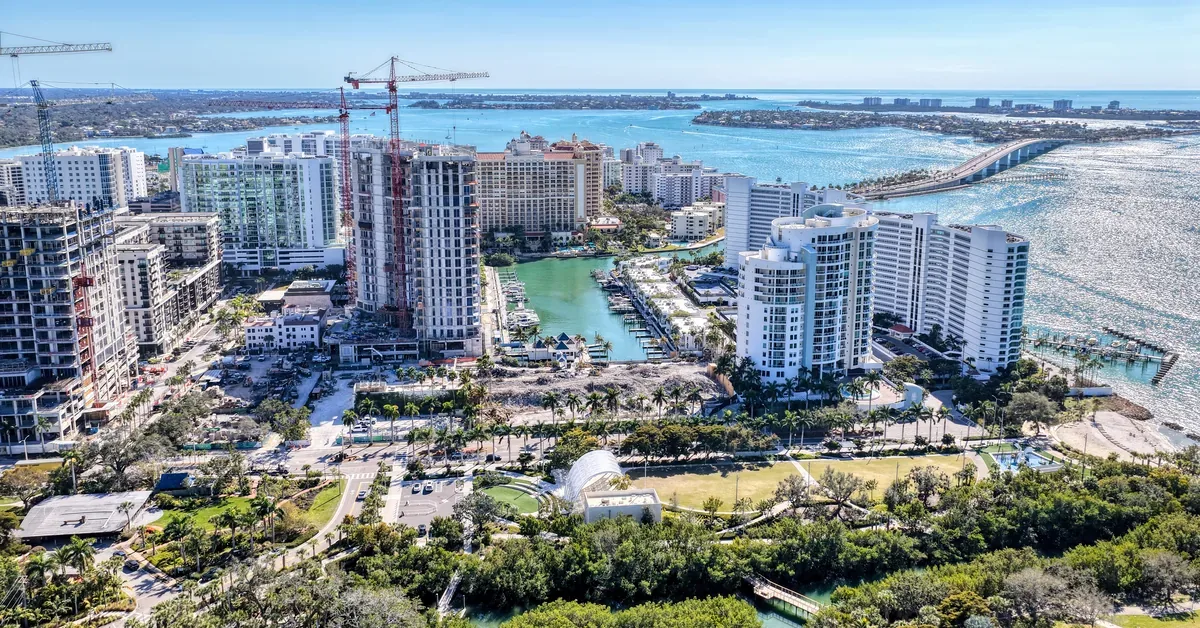
For 1000 Boulevard of the Arts, the surrounding activity is part of the residential proposition. Its bayfront location between The Bay and The Quay places the building near waterfront promenades, park programming, marina activity, dining, arts venues and downtown Sarasota’s broader collection of restaurants, cafés, galleries and entertainment.
That proximity changes what the address can offer beyond the residence itself. Views, design and amenities remain important, but the character immediately outside the front door is what turns a building into part of a larger place. The ability to move between the park, the bay, the arts and downtown without treating each as a separate trip gives the location a distinctive daily rhythm.
The wider sales momentum across The Quay Waterfront District provides additional context for why this part of Sarasota is attracting attention. For the lifestyle story, however, the more visible proof is simply how many reasons there now are to spend time along the corridor.
The Residences Bring the Bayfront Story Home
Developed by Kolter Urban, 1000 Boulevard of the Arts is planned as a 20-story bayfront condominium with 117 residences. The offering includes one- to three-bedroom layouts, with dens in select plans, ranging from approximately 1,200 to more than 3,000 square feet. Residences are priced from $1.5 million.
Floorplans are designed around open great rooms, floor-to-ceiling glass and expansive private terraces, with views oriented toward Sarasota Bay, The Bay Sarasota and The Quay Harbor. The emphasis on glass and outdoor space keeps the surrounding waterfront visible from within the home rather than separating the residence from its setting.
Kolter Urban’s Sarasota portfolio includes VUE Sarasota Bay, Mark Sarasota, The Ritz-Carlton Residences Sarasota and Bayso, giving the development team an established history in the downtown market. At 1000 Boulevard of the Arts, the current design direction pairs contemporary interiors with European cabinetry, quartz countertops, Thermador® appliances and spa-inspired bathrooms with Grohe® fixtures, while select plans include soaking tubs.
The project also reflects the specialized nature of high-rise luxury condominium development, where design, construction timing, amenities and the surrounding lifestyle all influence how the finished address is understood. Architecture for 1000 Boulevard of the Arts is by 10 Design, with interiors and amenity spaces by ID & Design International.
Amenities Support the Day-to-Day Rhythm
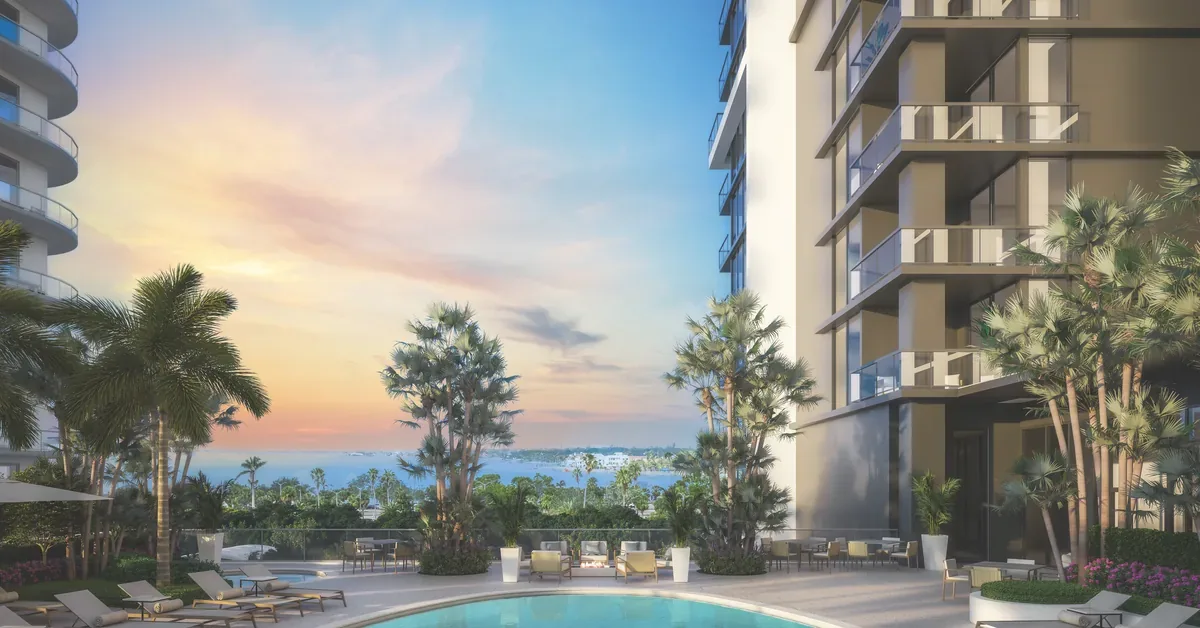
The planned amenity collection extends the lifestyle beyond the individual residence. An Elevated Oasis Pool Deck is planned with cabanas, a spa, fire-pit lounge, barbecue grills and multiple seating areas, with an Interior Splash Lounge offering an indoor counterpart beside the pool deck.
Social and entertaining spaces include a Residents’ Club Room with a catering kitchen, bar, wine wall and private dining room. Wellness areas include a fitness center and a glass-enclosed movement studio for yoga, Pilates and group classes. The Hub will provide co-working space with private and semi-private meeting areas, while a News Café is planned for daily coffee and beverage service.
Additional conveniences include a 24/7 staffed lobby, on-site property management, concierge-style home services, secured Wi-Fi throughout amenity areas, self-parking, optional 24-hour valet service, humidity-controlled storage, secured bike storage, a private covered dog park and a dog spa. The breadth of the program is designed to support work, wellness, hosting, recreation and everyday needs within the building.
The Corridor Is Becoming the Story
Boulevard of the Arts has long benefited from its position between Sarasota Bay and downtown. What is changing is the number of experiences now reinforcing that location: a nationally recognized park, new private hospitality, public events, waterfront recreation, curated services and continued residential investment.
That combination gives the corridor more personality than a single new opening could create. It is becoming a place where the public and private sides of Sarasota’s waterfront meet—where a park, club, marina, residence and cultural district can all contribute to the same sense of place.
For current project information, pricing and availability, the 1000 Boulevard of the Arts Sales Gallery is located with Premier Sotheby’s International Realty at 50 Central Avenue, Suite 110, Sarasota, Florida 34236. The source article lists 941-390-1849 for private presentations.
Frequently Asked Questions
What connects 1000 Boulevard of the Arts to The Quay and The Bay?
1000 Boulevard of the Arts is positioned within The Quay waterfront district and close to The Bay Park, placing residents near Sarasota’s bayfront, dining, arts venues and cultural destinations. That walkable connection is a major part of the lifestyle, making the surrounding neighborhood as important as the residence itself.
How are the Bay and Harbor Residences oriented?
Bay Residences are oriented north and west toward Sarasota Bay and The Bay Park, with layouts that extend through the building. Harbor Residences begin on the 15th level and offer elevated views toward Quay Harbor and the Gulf.
What range of floorplans is planned at 1000 Boulevard of the Arts?
The building is planned with 17 floorplans ranging from one-bedroom-plus-den to three-bedroom-plus-den residences. Homes span approximately 1,200 to more than 3,000 square feet, with dens included in select plans.
What types of amenities are part of the residential experience?
The amenity program is designed around wellness, social connection, work and outdoor leisure. Planned spaces include an elevated pool deck, fitness and movement areas, resident gathering and dining spaces, co-working areas, pet amenities, outdoor lounges and service-oriented conveniences that support everyday residential life.
Buckhead Living With More Freedom Built In
June 26, 2026 | Read Time: 6 minutes

A trip is supposed to begin with anticipation. Yet for many homeowners, leaving town also starts a second process: deciding what will happen to packages, deliveries, service appointments, garage access and the other details that keep a residence running while no one is there.
That list becomes more noticeable when travel is part of the normal rhythm of life. Business, family, leisure, second homes and longer seasonal stays can all pull Buckhead residents elsewhere, while the responsibilities of a larger private residence continue at home.
In Elyse Buckhead’s original look at lock-and-leave living, the answer is not to give up the neighborhood, access or daily character residents already value. It is to create a Buckhead home where service, access and infrastructure quietly reduce the number of details that follow residents out the door.

Freedom Begins With What Home No Longer Demands
Lock-and-leave living is often described as a matter of convenience. In practice, its appeal is more personal. It means being able to leave for several days, several weeks or an entire season without feeling that the residence itself has become another project to manage.
For longtime Buckhead residents, simplifying does not necessarily mean wanting less of a home. It may mean wanting fewer interruptions, fewer maintenance concerns and more time for the social, cultural, wellness and travel experiences that already shape daily life.
Elyse Buckhead is being designed around that distinction. With construction underway, the 20-story residential tower is taking shape as a staffed address where the practical side of condominium living supports a greater sense of flexibility rather than asking residents to compromise on scale, privacy or connection to Buckhead.
Service Keeps the Small Details in Their Place
The service component is what turns a general lock-and-leave idea into an everyday residential advantage. The building’s staffed and service-oriented features are intended to give packages, deliveries, access and routine residential needs a clear place within the operation of the property.
That support can be felt before a trip and after a return. A delivery does not have to become a disruption. A service appointment can be coordinated with greater ease. The homecoming itself can feel more composed because the systems around the residence have continued to function while the resident was away.
“Many of our buyers love Buckhead and want to stay connected to the life they have built here, but they are also ready for a home that gives them more freedom,” said Jessica Sheevy, Senior Sales Executive. “At Elyse Buckhead, the service experience is designed around that sense of ease, the confidence that the details are being thoughtfully managed, whether residents are home, traveling, or returning to Buckhead.”
The Building Systems Matter Most When You Are Away
A service-led lifestyle also depends on practical infrastructure. Elyse Buckhead is planned with controlled-access entry, access-controlled elevators and amenity spaces, secured garage parking and storage, dedicated service and package areas, and emergency power supporting essential life-safety systems.
Individually, these details are functional. Together, they create a more orderly way to move through the building and a clearer system for what happens behind the scenes. That is especially relevant when residents are traveling and cannot personally manage every arrival, delivery or access request.
The result is not the absence of responsibility, but a different relationship to it. Leaving town can feel more like the beginning of a trip and less like the start of another checklist.
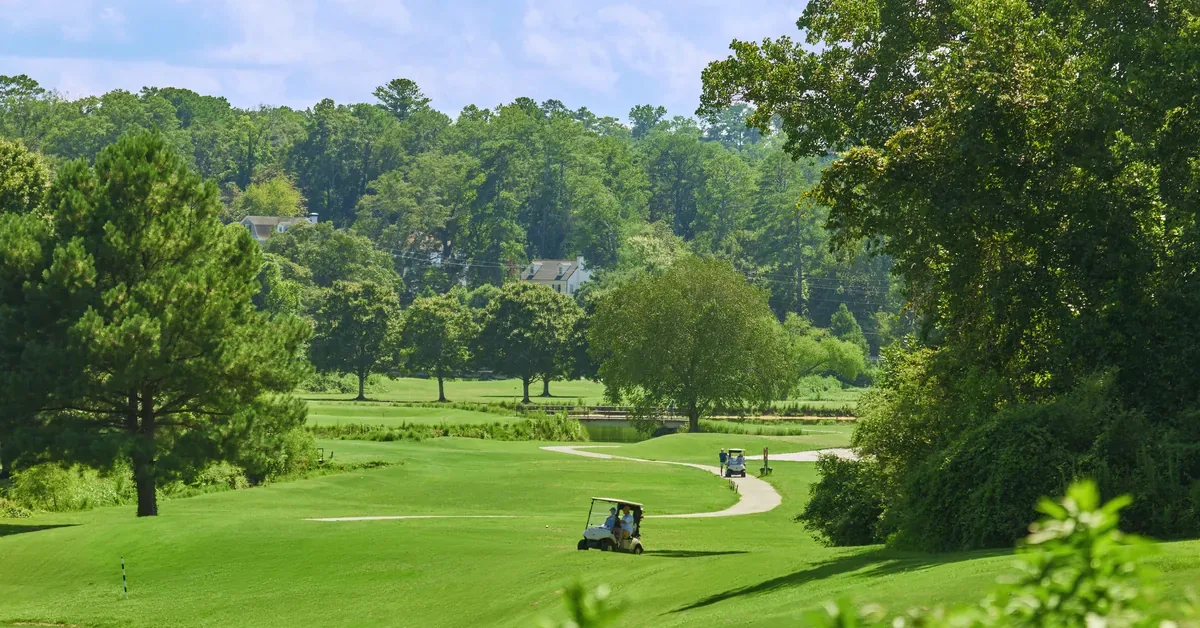
Buckhead Remains Close to the Everyday Routine
Elyse Buckhead is planned along West Paces Ferry Road, adjacent to the St. Regis Atlanta and within walking distance of Buckhead Village. The location keeps dining, designer retail, social destinations and everyday conveniences close while preserving the quieter feeling of a residential address.
The broader neighborhood remains within easy reach as well. Lenox Square, Phipps Plaza, Chastain Memorial Park and the Atlanta History Center all contribute to a Buckhead lifestyle that can shift naturally between shopping, dining, culture, recreation and time at home.
The appeal is not that residents must adopt a new way of life. It is that a more manageable home can leave more room for the Buckhead life they already enjoy. A walk through Buckhead Village, an evening out or a longer trip can fit more easily into the week when the residence is designed to support those transitions.
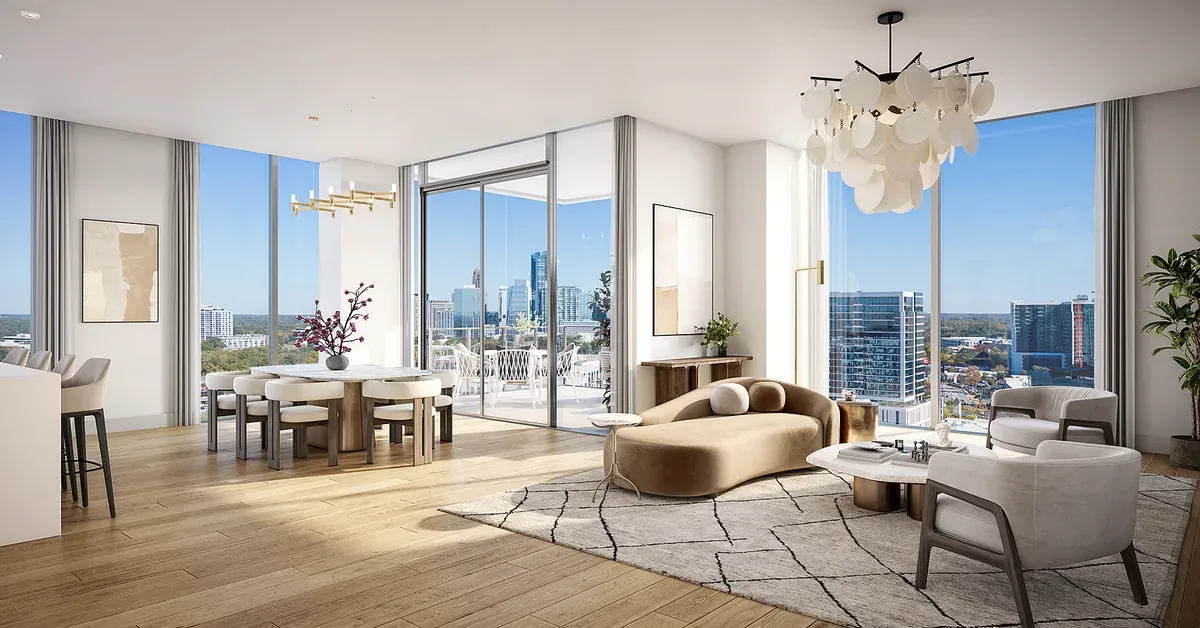
A Residence Can Support Both Staying In and Heading Out
Elyse Buckhead’s residential collection is planned as a collection of true homes rather than temporary urban spaces. The 20-story tower includes one- to three-bedroom residences priced from $1 million, with floor-to-ceiling windows, expansive interiors, private terraces up to 12 feet deep and 10-foot ceilings in main living areas. Select residences are planned with ceiling heights of 11 and 12 feet.
The same idea extends beyond the front door through approximately 63,000 square feet of indoor and outdoor amenities. Planned spaces include lounges, private dining, guest suites, a spa center, fitness areas, pools with cabanas, outdoor gathering spaces, pickleball, a dog park and a pet wash station.
The significance is not simply the number of features. It is the way the residences, services and amenities work together. Residents can host, work, exercise, gather, spend quiet time at home or leave town for an extended period without asking one space to serve every purpose.
Exploring Elyse From Near or Far
The same flexibility extends to learning about the building. Private appointments and virtual presentations allow prospective residents to explore the residences, service approach and current information whether they are in Atlanta or traveling elsewhere.
Additional information is available at ElyseBuckhead.com or by calling 404.777.6259. The Elyse Buckhead Sales Gallery is located at 107 W Paces Ferry Road NW, Suite 200, Atlanta, Georgia 30305.
Frequently Asked Questions
The answers below draw from the article and Elyse Buckhead’s official condominium FAQ, which provides additional first-party information about the building, location, residences, amenities and development timeline.
What does lock-and-leave living mean at Elyse Buckhead?
At Elyse Buckhead, lock-and-leave living refers to a staffed residential setting supported by controlled access, secured parking and storage, dedicated package and service areas, and building systems designed to keep routine details organized. The purpose is to make travel and time away easier to manage without disconnecting residents from a full-scale Buckhead home.
Where is Elyse Buckhead located?
Elyse Buckhead is located at 102 W Paces Ferry Road NW, adjacent to the St. Regis Atlanta and near Buckhead Village. The setting places dining, retail and cultural destinations close by, while the Sales Gallery is located across the street at 107 W Paces Ferry Road NW, Suite 200.
What types of residences and amenities are planned?
The building is planned with residences ranging from one-bedroom-plus-den layouts to three-bedroom homes, along with estate and penthouse offerings. Approximately 63,000 square feet of amenities are planned across indoor and outdoor spaces for wellness, work, gathering, recreation, hosting and time with guests.
When is Elyse Buckhead expected to be completed?
According to the official Elyse Buckhead FAQ, site clearing was completed in February 2026 and groundbreaking took place in April 2026. Delivery is currently anticipated for late 2028.
What to Know About Living in Nassau County, Florida
June 22, 2026 | Read Time: 9 minutes
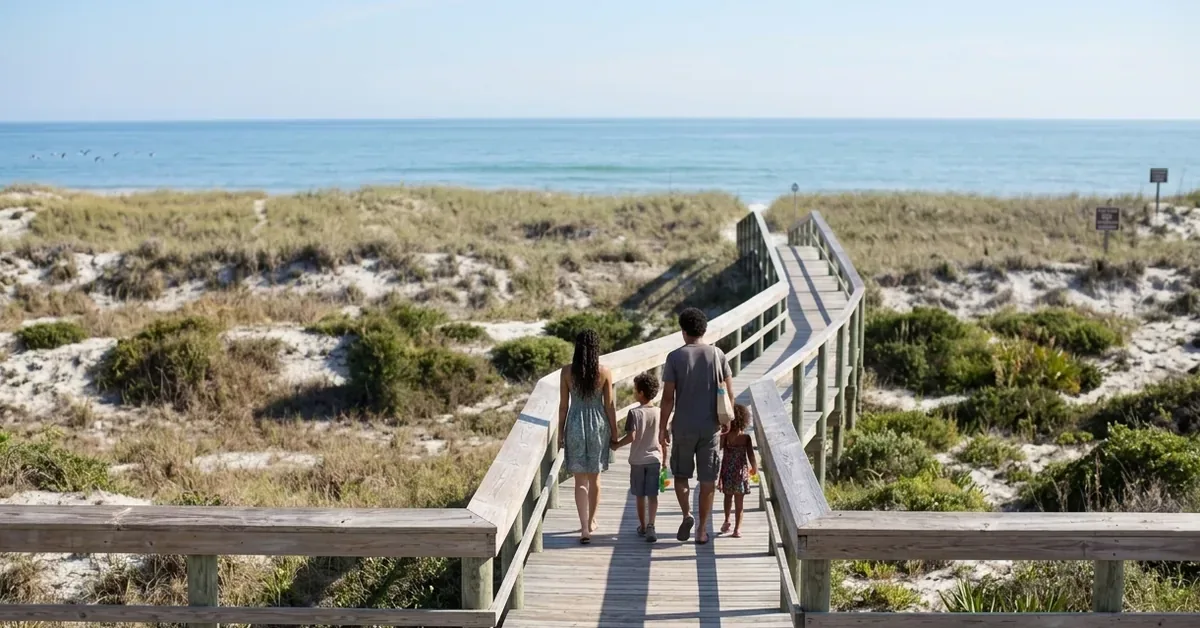
A move north of Jacksonville is rarely about one factor. The more useful question is how the pieces fit together: school information, commute patterns, access to the coast, everyday errands, outdoor time and the amount of room a household wants around it.
That is why Nassau County continues to draw attention from people comparing places to live across Northeast Florida. The county combines access to Jacksonville employment centers with Amelia Island, Fernandina Beach, regional healthcare, coastal recreation and residential areas that feel less built out than many established parts of the region.
Yulee and communities such as Tributary offer one way to see that balance in practice. Tributary’s nature-inspired setting in Nassau County is organized around preserved natural areas, trails, waterways, amenities and new-home options, while remaining connected to the destinations people use throughout Northeast Florida.
The original Tributary article about living in Nassau County frames the decision around practical daily-life questions. This Lyfe Rocks version follows the same direction while looking more broadly at what makes the area worth evaluating in person.
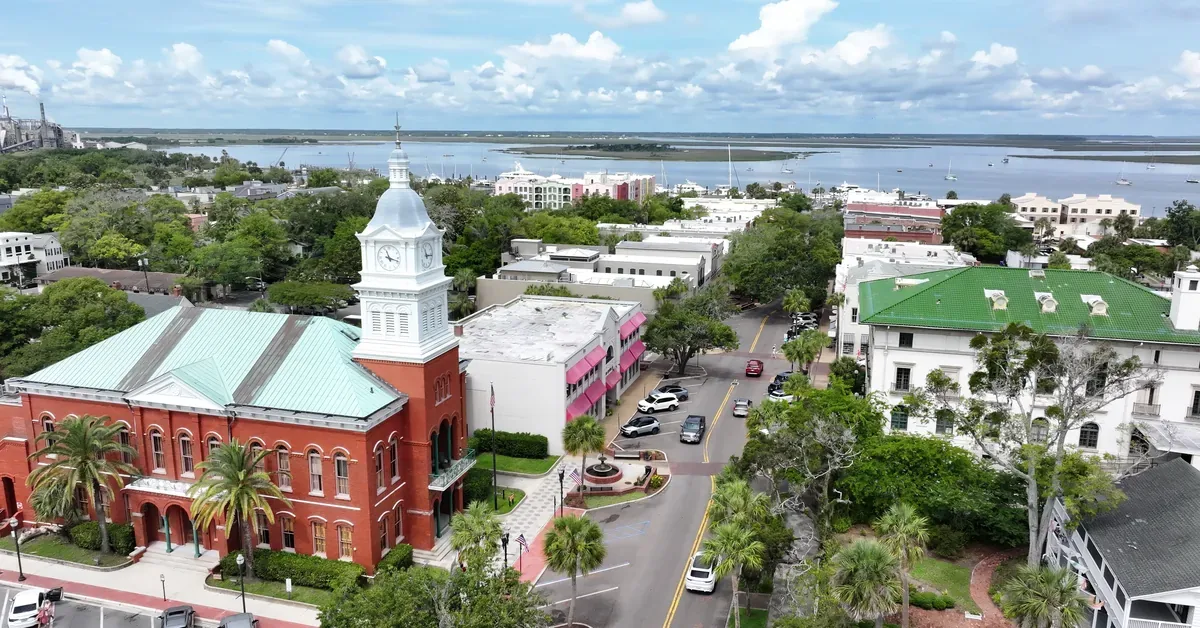
Why Nassau County Is Drawing More Attention
Relocation decisions usually start with a change in routine: a new job, a different commute, a need for more room, a desire to spend more time outside or simply the realization that a current location no longer works as well as it once did. Nassau County enters the conversation because it offers a different balance of access and space without severing ties to Jacksonville or the coast.
From Yulee, the wider Northeast Florida region remains within reach, including Jacksonville, Amelia Island and Fernandina Beach. Tributary has also explored why more people are moving north as growth continues across the region and residents compare different ways to stay connected to jobs, healthcare, beaches, shopping and services.
Yulee is especially practical because of its position near major transportation routes and its access to Jacksonville, coastal destinations, regional healthcare and employment centers, including military-related employment around Kings Bay. That combination gives the area relevance to people whose daily lives extend across more than one part of Northeast Florida.
At Tributary, the location is paired with a planned community setting shaped by preserved forests, wetlands, waterways, open space, trails and gathering areas. The result is a useful example of how Nassau County’s broader growth can translate into a specific residential environment.

Schools Are One Part of the Location Equation
School information is one of the practical considerations many households review when comparing communities, but it is most useful when treated as one part of a larger location decision rather than as a shortcut for judging an entire area.
The source article notes that the Nassau County School District announced the top ranking among Florida public school districts for the 2024–2025 school year, remained an A-rated district and reported that every school received an A grade under the state accountability system.
Anyone evaluating a move should still confirm current school assignments, zoning and performance directly with the appropriate district and state resources. What the published results add to the Nassau County picture is another piece of information to weigh alongside work schedules, transportation, healthcare, outdoor access and the other routines that determine whether a location functions well day after day.
Tributary’s role in that larger equation is the surrounding residential setting: trails, open space, amenities and gathering places that extend the day beyond the home itself while keeping the community connected to the broader Yulee area.

Daily Convenience Depends on Access
A location proves itself on ordinary days. Grocery runs, appointments, commuting, errands and weekend plans all matter more when they repeat every week, which is why access can be as important as any individual amenity.
Tributary’s neighborhood plan places homes, trails, preserved open space and amenities within the same community framework while keeping regional destinations within reach. That balance allows residents to return to a quieter residential setting without treating Jacksonville, the beaches or nearby services as disconnected from daily life.
Resident feedback in the source article reinforces that point in simple terms. Some describe Tributary as being “close to everything,” while others point to the practicality of the commute. Those observations are useful because livability is less about a single impressive feature than about whether the location works consistently throughout the week.

Outdoor Space Is Part of the Routine
One of the strongest themes in the Nassau County story is access to outdoor space. At Tributary, community amenities are designed to work alongside preserved landscapes rather than separately from them, making recreation and time outside easier to build into everyday routines.
The community’s approach to nature-based living incorporates forests, wetlands, waterways, open space and trails into the larger plan. The Lookout Amenity Center, resort-style pool, fitness facilities, pickleball courts, parks, play areas and waterways add more structured options, while lifestyle programming gives residents additional ways to use the shared spaces throughout the year.
The value of those features is not limited to a checklist. Their effect is cumulative: a walk can begin close to home, a workout does not require a long drive, and outdoor time can happen without turning every outing into a planned excursion.
That is also how some residents describe the community. The source article quotes one resident saying Tributary “feels like nature,” while another calls it “peaceful.” Those comments speak to atmosphere rather than demographics, which is ultimately the more useful way to understand what the preserved landscape contributes to daily life.
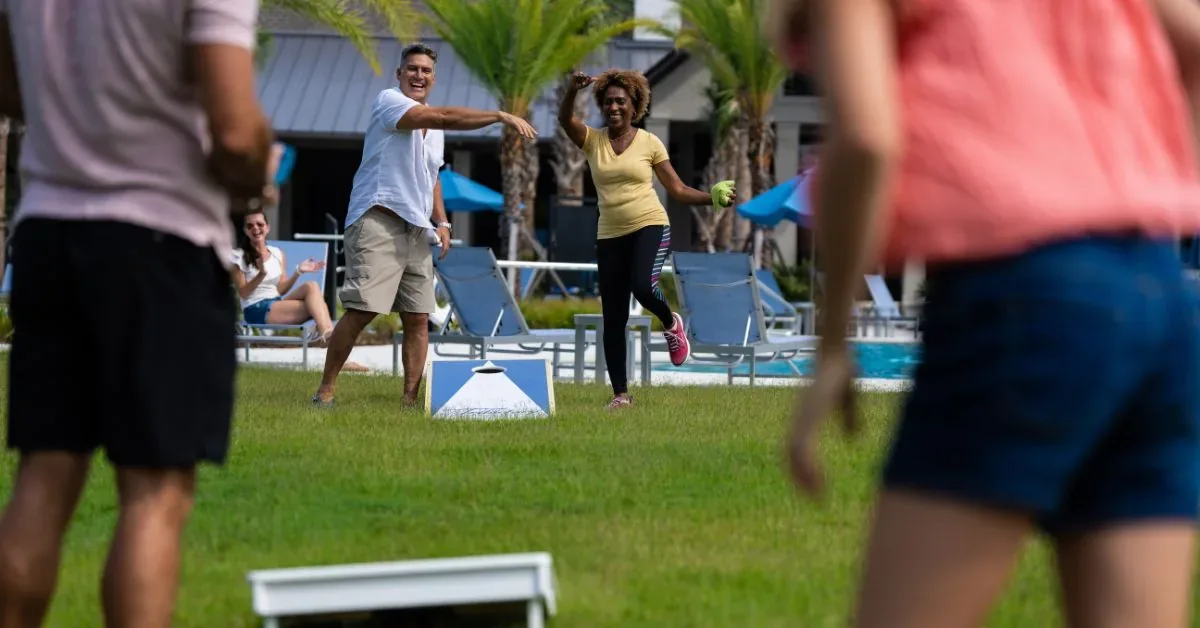
Community Spaces Add Another Layer of Connection
Physical access is only part of what makes a residential setting feel usable. Parks, trails, amenity areas and programmed events create places where residents can encounter one another naturally, without requiring every interaction to be formally planned.
At Tributary, trails, play areas, parks, waterways and shared amenities provide that common ground. Participation can be as simple as a walk or as organized as a community event, allowing residents to choose how much they want to engage while still having the privacy of their own home and neighborhood.
The community also provides information for people interested in active adult living connected to nature. That offering sits within a broader residential plan rather than defining the community as a whole, which is one reason the variety of settings and amenities matters.
More broadly, Tributary reflects the way many master-planned communities are organized around a combination of homes, shared spaces, recreation and access. The individual elements matter, but the day-to-day relationship between them is what determines whether the plan feels coherent once people are living there.
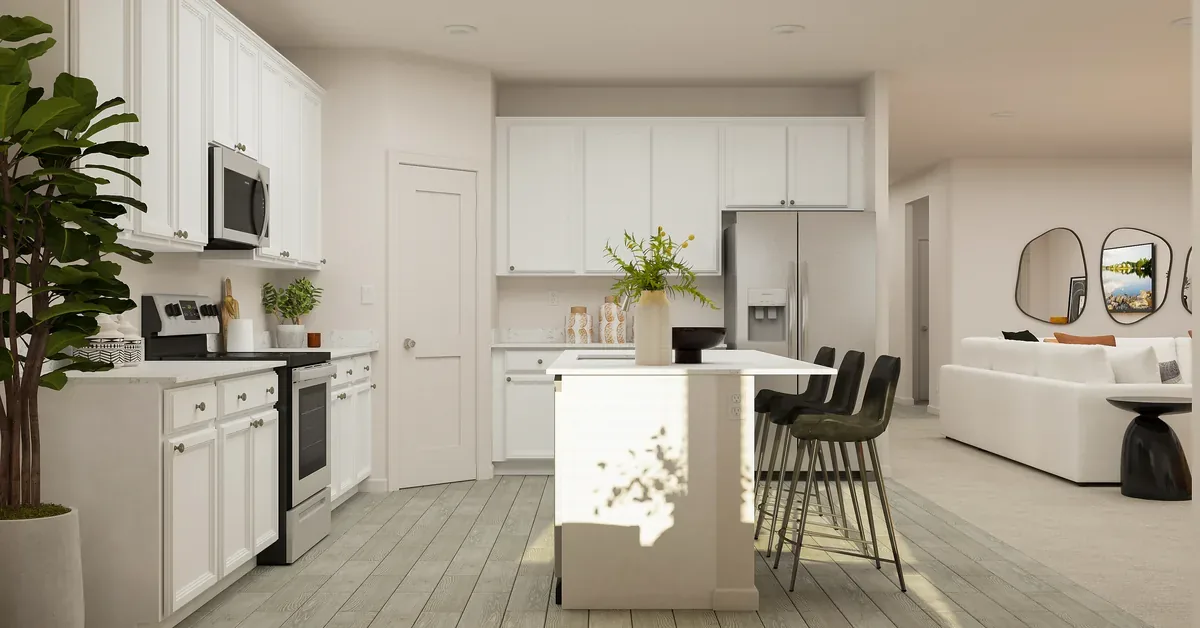
New Homes and More Room to Choose
For many people comparing Nassau County with more established parts of Jacksonville or other high-growth markets, the housing question is straightforward: what kind of home and setting are available, and how much flexibility is there to choose something that fits the way they live now?
Nassau County’s newer residential areas can offer a different sense of scale, with communities that are still maturing and home choices that reflect current construction rather than only existing resale inventory. The appeal is not simply more square footage. It can also be the relationship between the home, surrounding open space, nearby amenities and the way the neighborhood has been planned.
Tributary presents that option through new construction living in Yulee and a current home search that includes offerings from David Weekley Homes and Lennar. Buyers should confirm current pricing, floorplans, features, homesites and availability directly with the participating builders because those details can change.
What remains consistent is the larger community framework: trails, amenities, preserved natural areas and regional access. For someone evaluating Nassau County, those elements make Tributary useful as a real-world example of how a planned community can translate the county’s broader advantages into an everyday residential setting.
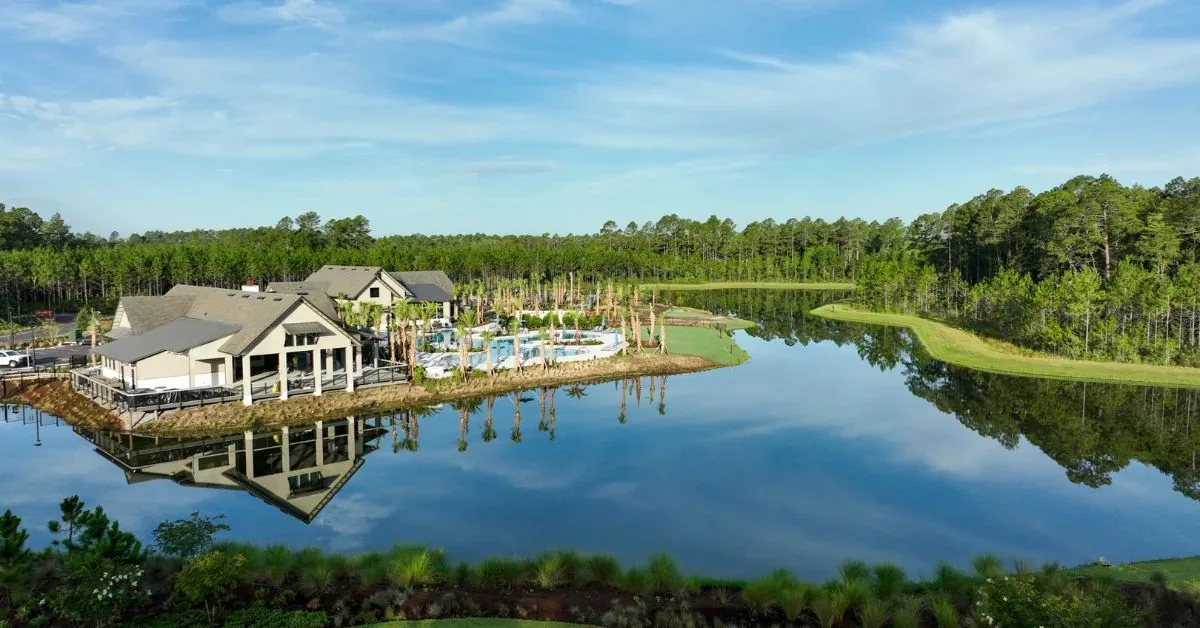
How to Test Nassau County Against Your Routine
The best way to evaluate Nassau County is to move beyond general impressions and test the area against the routines that matter most to you. Drive the commute at the time you would actually make it. Confirm school zoning when that information is relevant. Visit on both a weekday and a weekend. Spend time in Yulee, Amelia Island and Fernandina Beach rather than judging the region from one stop.
Walk the community spaces, look at nearby access points and pay attention to how long everyday trips take. A place that works well on paper should also feel practical when errands, work, recreation and downtime are layered together.
For readers interested in the broader planning and marketing context behind large residential communities, Cotton & Company’s luxury real estate FAQ provides additional background on the considerations that shape master-planned development and residential marketing.
For those who want to see one Nassau County community in person, Tributary is located at 76183 Tributary Drive in Yulee, Florida 32097. The source article lists 904-468-5700 for community information. Visiting the area remains the most useful way to decide whether its combination of access, outdoor space and residential planning fits your own routine.
Frequently Asked Questions
What should someone consider before moving to Nassau County?
Consider how the area fits your everyday routine, including commute times, access to Jacksonville and the coast, healthcare, shopping, recreation and the type of residential setting you prefer. Visiting at different times of day can also give you a clearer sense of traffic patterns, travel times and how the area functions beyond what a map can show.
How is Yulee connected to Jacksonville and the coast?
Yulee offers convenient access to Interstate 95 and U.S. Highway 17, providing connections toward Jacksonville’s Northside, downtown employment centers and nearby military installations. It is also well positioned for reaching Amelia Island, Fernandina Beach and other destinations throughout Northeast Florida.
What outdoor amenities are available at Tributary?
Tributary is designed around preserved forests, waterways, trails and open space. The community also includes the Lookout Amenity Center, a resort-style pool, fitness facilities, pickleball courts, parks, play areas and programmed activities that provide a variety of ways to spend time outdoors.
What home options are available at Tributary?
Tributary offers new-home opportunities from David Weekley Homes and Lennar within the master-planned community. Available floorplans, homesites, features and pricing vary, so buyers can explore current options based on the amount of space, home style and location within the community that best fit their needs.
What Southwest Florida Luxury Buyers Are Prioritizing Beyond the View
May 13, 2026 | Read Time: 5 minutes
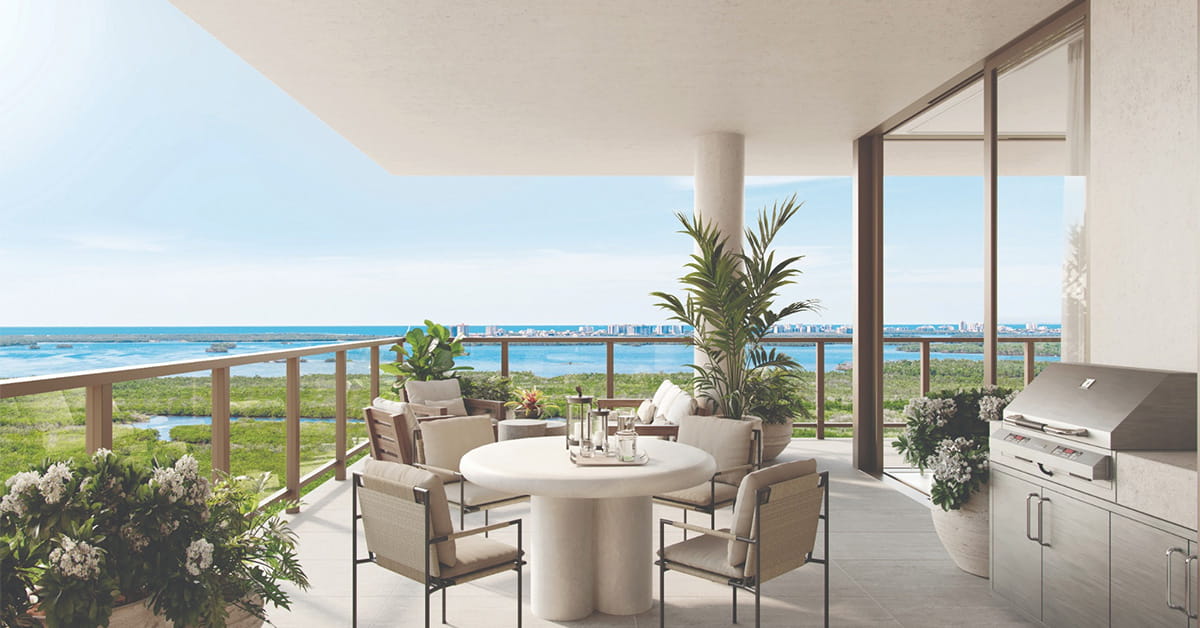
Southwest Florida offers no shortage of luxury condominium choices. Across Naples, Estero and Fort Myers, new residences continue to enter the market with water views, extensive amenities and resort-style features. With so many options available, however, the more meaningful comparison is becoming how well a property is designed to function once everyday life begins.
For experienced luxury buyers, that evaluation increasingly comes down to a more focused set of priorities. Privacy, practical living space and confidence in what is actually being delivered can carry as much weight as finishes, amenities or a coveted coastal address.
The Priorities Shaping Today’s Luxury Condo Search
Many buyers entering the Southwest Florida market have owned multiple homes and understand that individual features only tell part of the story. The larger question is how the residence, building and surrounding lifestyle will work together over time.
- Lower-density residential settings that provide greater privacy and control
- Floorplans with the scale and functionality associated with private-home living
- Access to lifestyle amenities that are available now rather than years in the future
- Greater confidence supported by visible construction progress and established development teams
Together, those priorities are changing the way luxury is evaluated in new condominium residences near the Gulf. Instead of measuring an offering by excess alone, buyers are placing more value on balance, usability and certainty.
Why Established Club Communities Matter
One of the most important distinctions in today’s market is the difference between a lifestyle that is promised and one that is already in place. In many new developments, amenities and social environments are delivered in phases. Buyers commit early, but the full experience often takes years to fully come together.
By contrast, established private club communities offer something fundamentally different: continuity. Within these environments, golf, beach access, dining, wellness, and social programming are not future features, they are part of daily life from the beginning. This creates a level of certainty that is increasingly valued, particularly among buyers who prioritize ease, familiarity, and immediate engagement.
A Different Kind of Opportunity in Estero
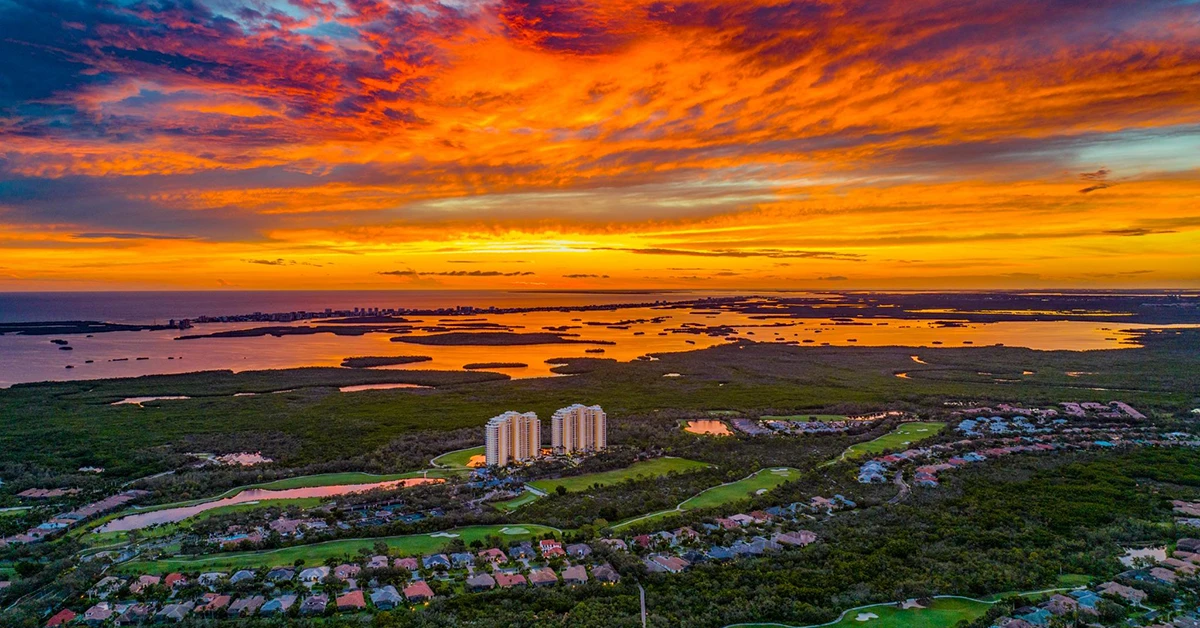
Positioned between Naples and Fort Myers, Estero has emerged as a more intentional choice for buyers seeking a refined coastal lifestyle without the density of larger markets.
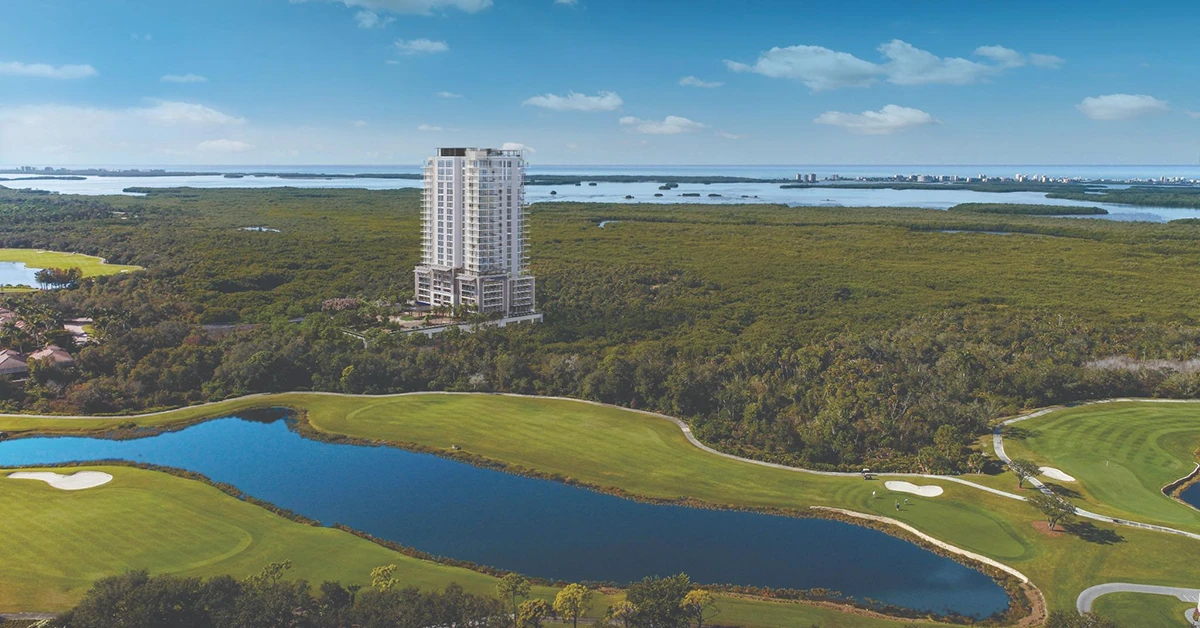
Within this setting, The Island at West Bay Club introduces a distinct residential offering, one that reflects a more considered approach to luxury living. Rather than a large-scale, high-density tower, the building is intentionally designed at a boutique scale, with just 86 residences. Set within the established gates of West Bay Club, it benefits from a setting that is both private and fully realized.
Ownership includes the opportunity for immediate membership to West Bay Club, providing entry into a comprehensive coastal lifestyle within Estero that includes a private beach club, championship golf, dining, wellness, and social amenities, all already in place.
Design That Supports How People Actually Live
At the core of the experience is the design of the residences themselves.
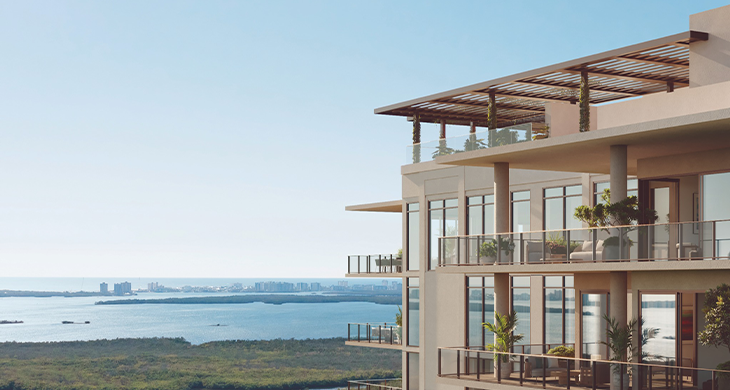
Every home at The Island is positioned as a corner residence, an architectural decision that fundamentally shapes how the spaces feel and function. With only four residences per floor, each home benefits from multiple exposures, natural light throughout the day, and unobstructed views extending across The Gulf, preserved landscapes, and championship golf.
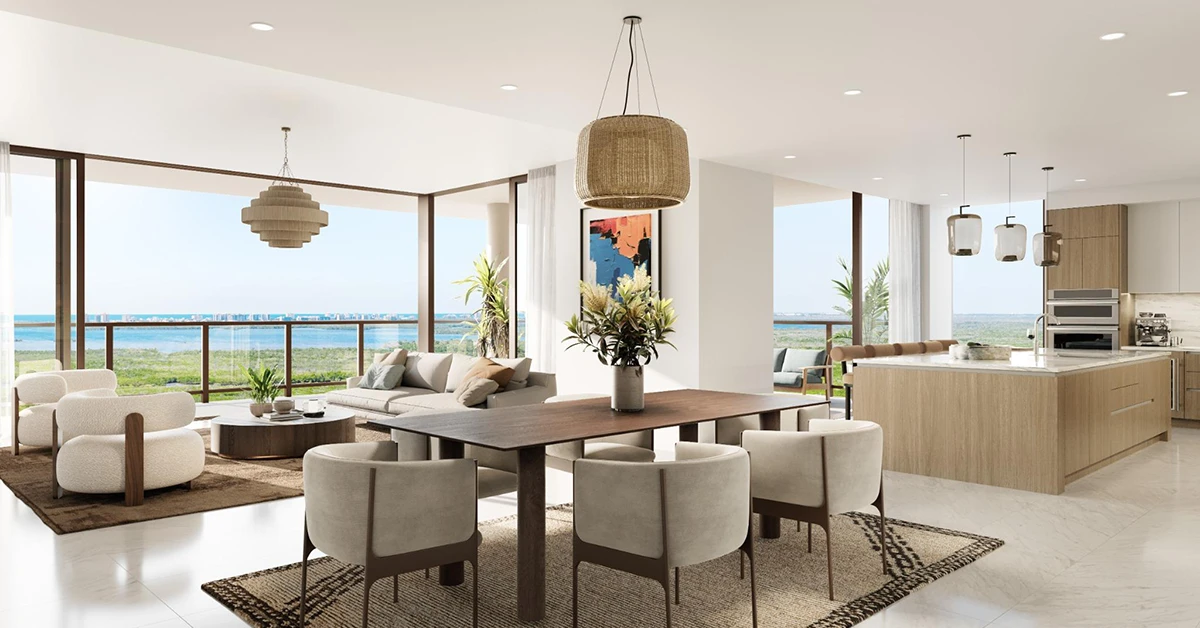
Expansive floorplans, ranging from approximately 3,300 to over 6,200 square feet, allow for a level of separation and flow more commonly associated with single-family living. Large, wraparound terraces extend the living space outdoors, supporting a seamless indoor-outdoor lifestyle.
As architect Jorge Garcia of Garcia Stromberg describes, the vision was to create “a refined, contemporary coastal retreat deeply connected to its environment.” This connection, to light, to air, and to the surrounding landscape, defines the experience in a way that feels both elevated and effortless.
Timing, Access, and Confidence
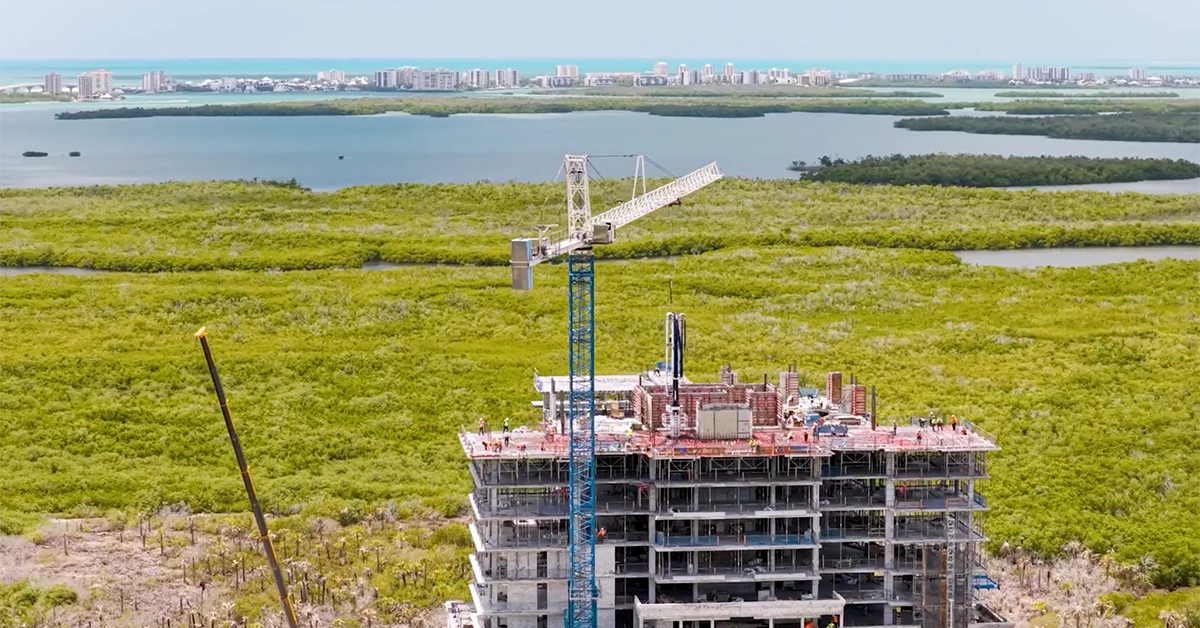
Timing also plays a meaningful role in how buyers evaluate opportunity. At The Island, vertical construction is underway, with the building anticipated to top out this summer and delivery expected in mid-2027. This visible progress provides reassurance that the project is advancing with clarity and momentum.
At the same time, buyers are able to engage with the broader West Bay Club lifestyle today. The opportunity for immediate membership allows residents to begin participating in the community, golf, beach, dining, and social life, well before their residence is complete.
This combination of near-term delivery and immediate lifestyle creates a more seamless transition into ownership, removing much of the uncertainty often associated with new construction.
A More Balanced Choice
Among the most compelling private luxury condominium opportunities in Southwest Florida, The Island at West Bay Club stands apart for its combination of new construction, established club access, and boutique residential design.
In a market defined by abundance, distinction often comes down to balance. The Island at West Bay Club brings together a set of qualities that are rarely aligned in a single offering: new construction within an established private club, a boutique residential scale, expansive living environments, and a lifestyle that is already in place.
For buyers seeking a more private, considered approach to coastal living in Southwest Florida, it represents an opportunity grounded not in promise, but in delivery, design, and long-term livability.
Take a Closer Look at The Island at West Bay Club
For buyers who want to explore how this approach comes together in Estero, The Island at West Bay Club offers a closer look at its private luxury condominium residences and established club setting. Private appointments can be scheduled by calling 239-402-7500, or buyers can visit the Sales Gallery at 22050 S. Tamiami Trail. Walk-ins are also welcome.
South Florida Buyers Are Rebalancing Life in Port St. Lucie
April 28, 2026 | Read Time: 6 minutes
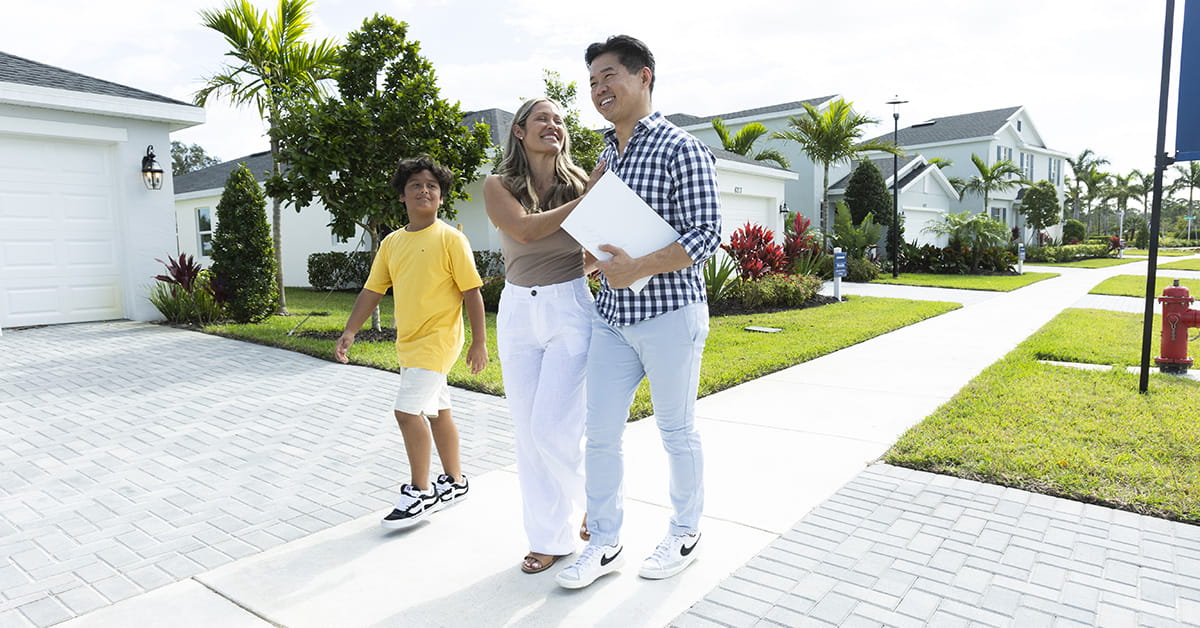
For some South Florida buyers, a move to Port St. Lucie is less about leaving the region behind and more about finding a different way to make everyday life work. More room, easier routines and continued access to destinations farther south are becoming part of the calculation.
That is how Sabrina Sovay and her family approached their move from Broward County. Port St. Lucie offered them more space, schools that supported their priorities and a more manageable daily environment, while still allowing her husband to commute back to Broward for work.
“We actually came up from South Florida,” she said. “My husband still works in Broward… it’s about an hour and a half commute.”
Her experience reflects a broader shift among buyers who are reconsidering what matters most in a move. Rather than focusing on relocation alone, they are weighing space, regional access, outdoor recreation and the overall pace of daily life.
Port St. Lucie Is Giving Buyers More Control Over the Everyday
Those changing priorities are helping drive interest in Port St. Lucie. Buyers who once placed proximity and density at the top of the list are also considering how much control a location gives them over their schedule, access to outdoor space and the way an ordinary day feels.
Direct connections to I-95 and Florida’s Turnpike help maintain access to major employment centers farther south, while Port St. Lucie offers a setting that feels more open and less congested than many South Florida markets.
For Sabrina’s family, that balance also means staying close to shopping and dining in Tradition and St. Lucie West without dealing with the same level of traffic they experienced before. It is that combination of connection and breathing room that is helping Port St. Lucie stand out to buyers looking for a different day-to-day rhythm.

Why Home Buyers Are Moving to Port St. Lucie for Lifestyle and Flexibility
What is changing is not just where people are moving, but how they are evaluating a move in the first place. Within that shift, master-planned communities like Wylder are gaining traction because they translate those priorities into a tangible living experience.
For families like Sabrina’s, the decision includes considerations that extend beyond the home itself. School quality, proximity to daily needs, and the ability to grow within a location all play a role. While the area continues to grow, some buyers are also weighing commute times and ongoing development as part of their decision.
“The schools here are all A schools,” she said, pointing to the range of options nearby that support their family’s next stage.
At the same time, access to outdoor spaces, parks, and waterways is no longer treated as an occasional benefit. It has become part of the expectation for how daily life should feel.
This shift is less about leaving something behind and more about moving toward a place that supports both current priorities and future plans.
Where Buyers Are Moving in Port St. Lucie
As more buyers move to Port St. Lucie, interest is increasingly concentrating in master-planned communities that offer both structure and flexibility.
Communities like Wylder are gaining attention because they allow buyers to do more than select a home. They provide an environment that can adapt over time, which is becoming a central part of how buyers define long-term fit.
Within Wylder, buyers enjoy the luxury of choice. Brystol offers a wide range of single-family homes designed for everyday living and community connection. Glynlea Country Club provides a luxury, gated golf-centric lifestyle with a 10-acre amenity campus. For the 55+ active adults, Four Seasons at Wylder is a gated community option centered on wellness and ease. And the newest addition, Waverly offers a low-maintenance, easy entry path to homeownership with its popular townhome offering.
Homes within Wylder currently range from the high $200s to over $1 million, reflecting the breadth of options available within the community. The decision is less about selecting a single home and more about choosing a lifestyle community that can support different stages of life over time.
A Perspective from the Ground
For early residents, that flexibility is already playing out in real life. After nearly two years in Wylder, Sabrina and her family are not looking to leave the community. Instead, they are preparing to move further into it.
“We’re actually looking to move into a bigger home… still here,” she said.
That kind of internal movement reflects a deeper level of satisfaction and reinforces a broader trend. Buyers are increasingly drawn to communities that allow them to grow without starting over somewhere new, and daily life inside the community is a key part of that experience.
“What they sold us on was a family-oriented community—and it really is,” she said, describing a calendar of events that brings together kids, teens, and adults in ways that extend beyond the home itself.
This combination of flexibility, structure, and day-to-day livability is a major reason communities like Wylder are becoming a focal point for buyers entering the Port St. Lucie market.
Finding More Room for What Comes Next
For buyers who want to change the way daily life works without completely disconnecting from South Florida, Port St. Lucie presents a different equation. Home values remain generally below major markets farther south, with median values around the $400,000 range and opportunities to find newer homes with more space at a lower price per square foot than in markets such as Miami or West Palm Beach.
The larger appeal goes beyond housing costs. More space, access to everyday amenities and a more manageable pace are becoming part of how buyers define value once they begin comparing where they want to live.
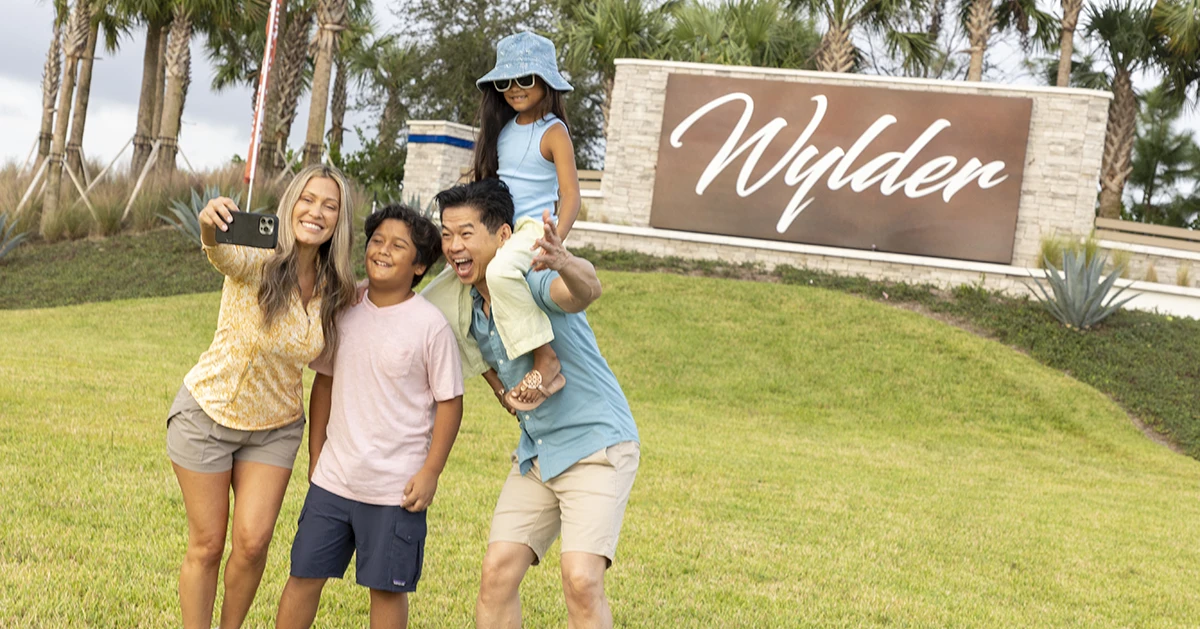
Wylder reflects that shift by giving buyers different residential and lifestyle options within one master-planned community, allowing the decision to extend beyond a single home and toward a setting that can continue to work as priorities change.
For a closer look at those choices, explore the neighborhoods at Wylder and see how the community is taking shape in Port St. Lucie. Buyers can also register for updates as new residential opportunities become available.
In Naples, the Garage Is Becoming Part of the Collection
March 26, 2026 | Read Time: 5 minutes

A carefully assembled car collection says a great deal about its owner, yet the space surrounding those vehicles is often treated as a separate logistical decision. That becomes especially noticeable in Naples, where seasonal residents may leave prized automobiles behind for months at a time and expect the same level of attention to protection, access and control that they apply to the vehicles themselves.
Traditional storage can protect a car while an owner is away, but it remains a managed service built around temporary use. For collectors who want greater control over the environment and the ability to shape the space around their vehicles, another model is beginning to matter: a deeded garage condominium that functions as privately owned real estate rather than a recurring storage arrangement.
What Is a Garage Condo?
A garage condo shifts the idea of storage into ownership. Instead of leasing space, the owner holds a deeded unit—a private environment that can be accessed, controlled, and customized without the limitations of a shared facility. The concept is closer to real estate than it is to storage, and that distinction is intentional.
As Erik Lutgert of The Lutgert Companies explains, “This was never meant to be another storage solution. It’s about giving owners control over a space that reflects how they actually use and value their vehicles.”
That perspective is particularly relevant in Naples, where being in residence is often seasonal and expectations around quality and control are higher.
What Is Traditional Car Storage?
Traditional car storage remains a service model. Vehicles are placed in a managed environment designed to protect them from heat, humidity, and exposure. Access is coordinated, space is standardized, and the focus is on preservation rather than experience.
For many owners, it works. But it also introduces distance. The vehicle is kept somewhere else, under someone else’s control, until it’s needed again.
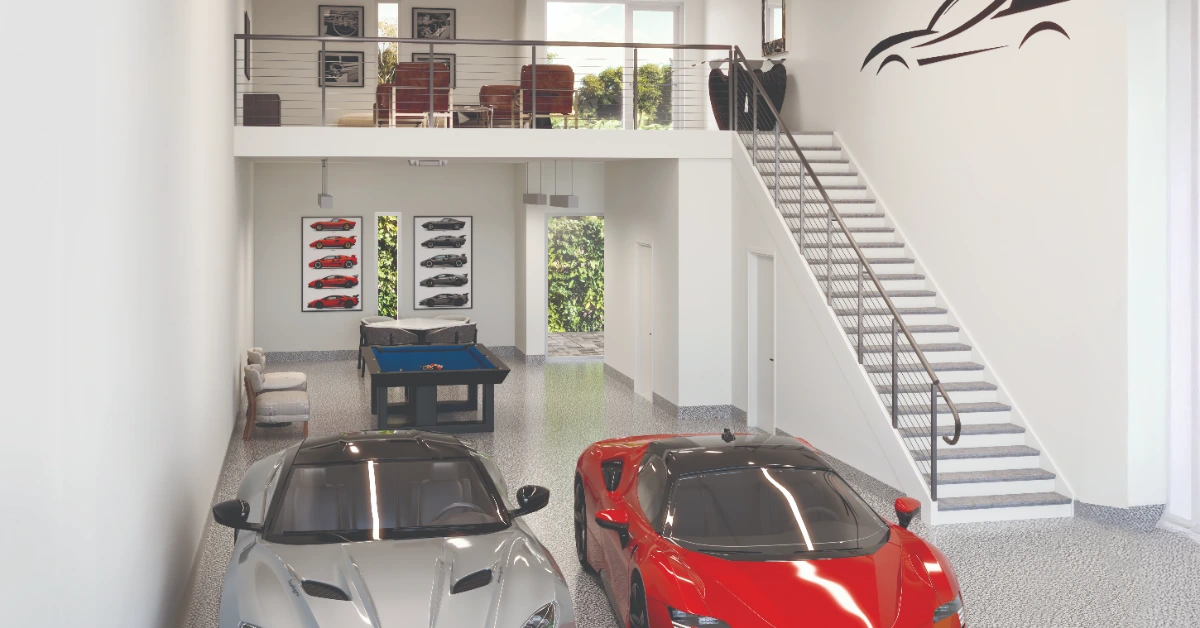
Garage Condo vs Car Storage: The Real Difference
At a surface level, both options solve the same problem. The difference is in how they approach it. Storage is temporary by design—a recurring solution to a recurring need. A garage condo removes that cycle. Ownership creates permanence, and with it, a different level of engagement. Storage is where your valued automobile is kept, the Car Condo is where your valued automobile belongs.
Customization reinforces that shift. Where storage facilities are standardized, garage condos are intentionally open-ended. They can remain purely functional or evolve into showrooms, lounges, or private environments that reflect the owner’s priorities. Customization also allows for the owner to have maximum control over environmental conditions such as temperature and humidity.
Why This Matters in Naples
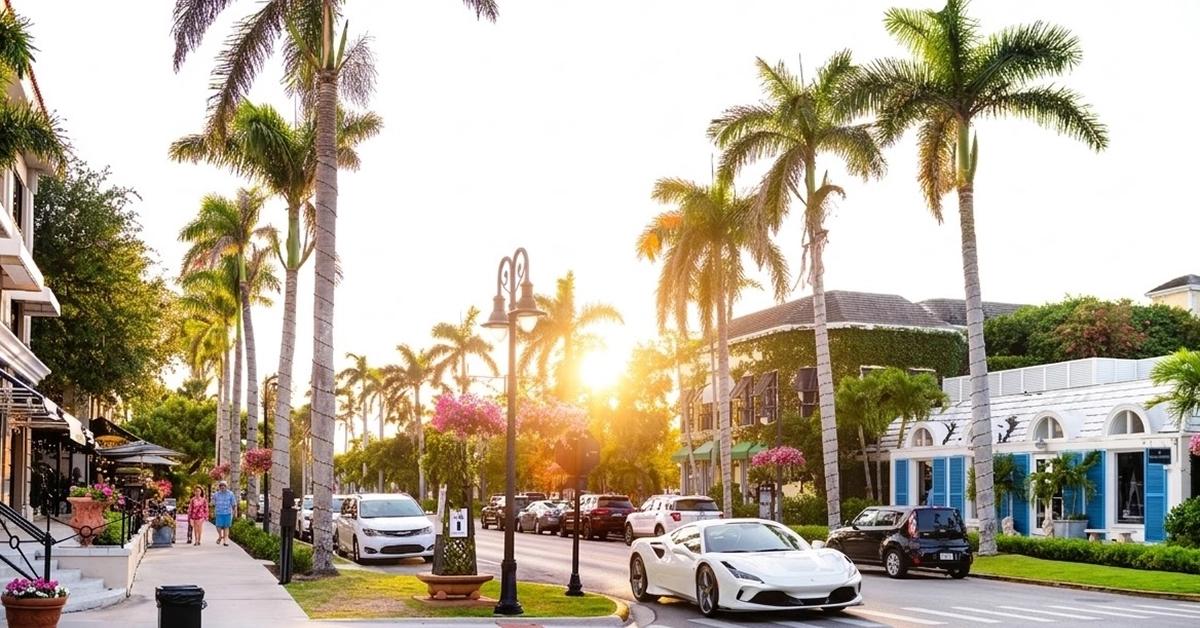
Naples amplifies the contrast between these approaches. Seasonal residency means vehicles are often left for extended periods during the most demanding months of the year. Heat, humidity, and storm exposure all become part of the equation, and each departure triggers the same set of decisions.
Storage addresses the immediate need, but it doesn’t eliminate the pattern. Each season resets the process. For owners with multiple vehicles or collectible assets, that repetition becomes more noticeable over time. The question shifts from “Where do I put this?” to “Why am I solving this again?”
A Shift in How Collectors Think
For many collectors, the environment around the vehicle has become as important as the vehicle itself. Control, access, and presentation are no longer secondary considerations—they’re part of the ownership experience. That mindset moves naturally away from shared, temporary solutions and toward something more permanent. It’s less about storage and more about stewardship.
The question has always been: Where should the car go while I’m away? As ownership options evolve, that question begins to change. It becomes less about where something is stored and more about where it belongs.
A Deeded Garage Concept Takes Shape in Naples
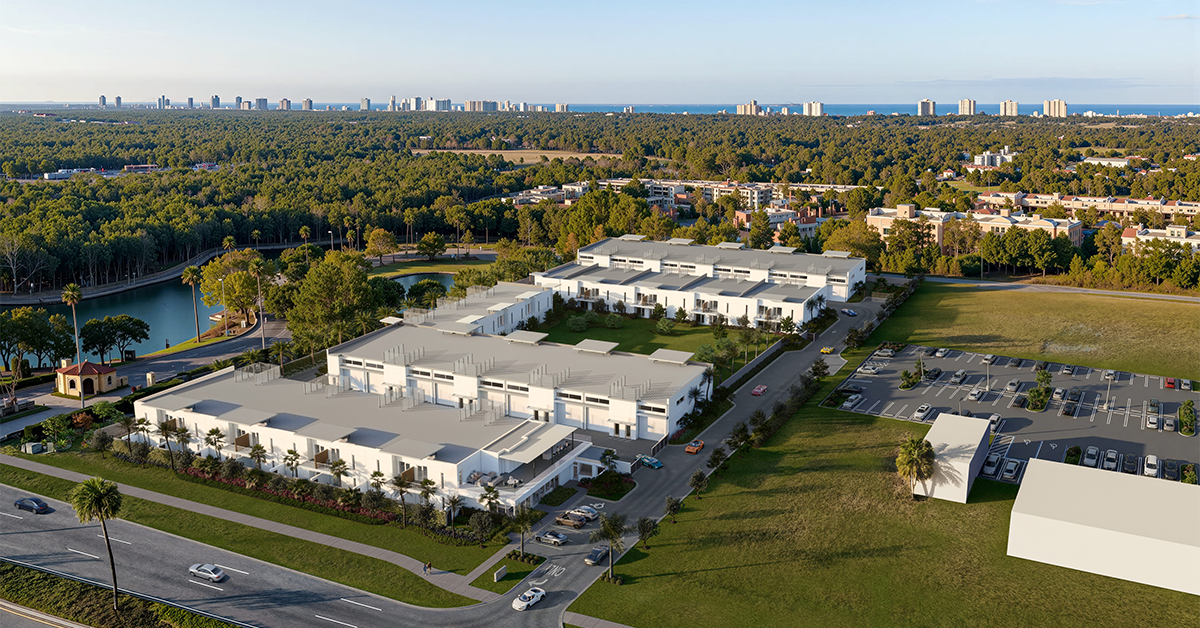
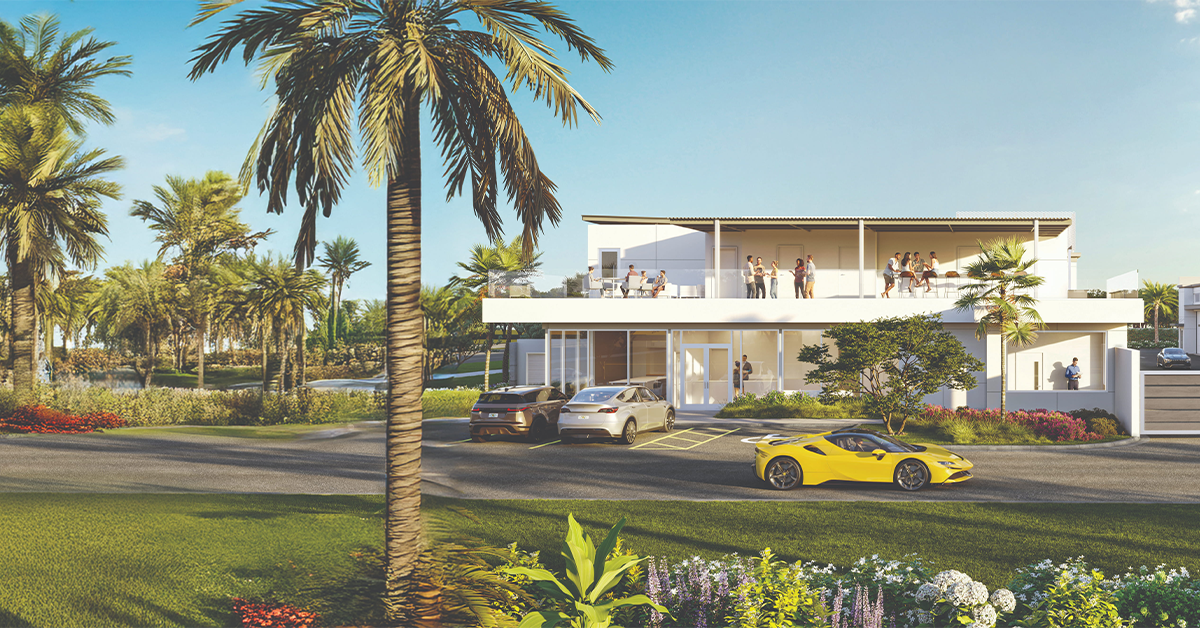
That distinction between renting space and owning it is now becoming tangible through Naples Auto Vault. The Lutgert Companies is developing the project with architecture by David Corban Architects and interior design collaboration from Clive Daniel Home, creating private garage condominiums that owners can shape around the way they collect, maintain and enjoy their automobiles.
Phase 1 is already well underway, giving Naples car owners a new alternative to the familiar cycle of arranging seasonal storage. Instead of selecting a facility each time extended travel approaches, ownership creates a dedicated place that remains connected to the collection year after year.
Current availability, pricing and additional project information are available through the Naples Auto Vault sales team at 239-427-4950 or at NaplesAutoVault.com.
For information about current availability and pricing, contact the Naples Auto Vault sales team at 239-427-4950 or visit NaplesAutoVault.com.
Commonly Asked Questions About Collector Car Storage
1. What’s the main difference between a garage condo and car storage?
A garage condo is owned, not rented. It’s a deeded real estate unit that gives the owner full control over access, design, and use. Car storage is a service—vehicles are kept in a shared facility with limited customization and controlled access.
2. Are garage condos worth it for seasonal residents in Naples?
For seasonal residents, garage condos remove the need to secure storage each year. Instead of repeating the same process every season, owners have a permanent, controlled space ready when they arrive and secured while they’re away.
3. Why would someone choose a garage condo instead of traditional storage?
The decision typically comes down to control and use. Storage is designed for protection, while garage condos are designed for ownership—allowing the space to function as a private garage, showroom, or personal retreat depending on the owner’s needs. To learn more about available storage options, ownership details, and additional questions, visit the Naples Auto Vault FAQ page.
What a Side-by-Side Coastal Comparison Reveals About The Island at West Bay
February 26, 2026 | Read Time: 3 minutes
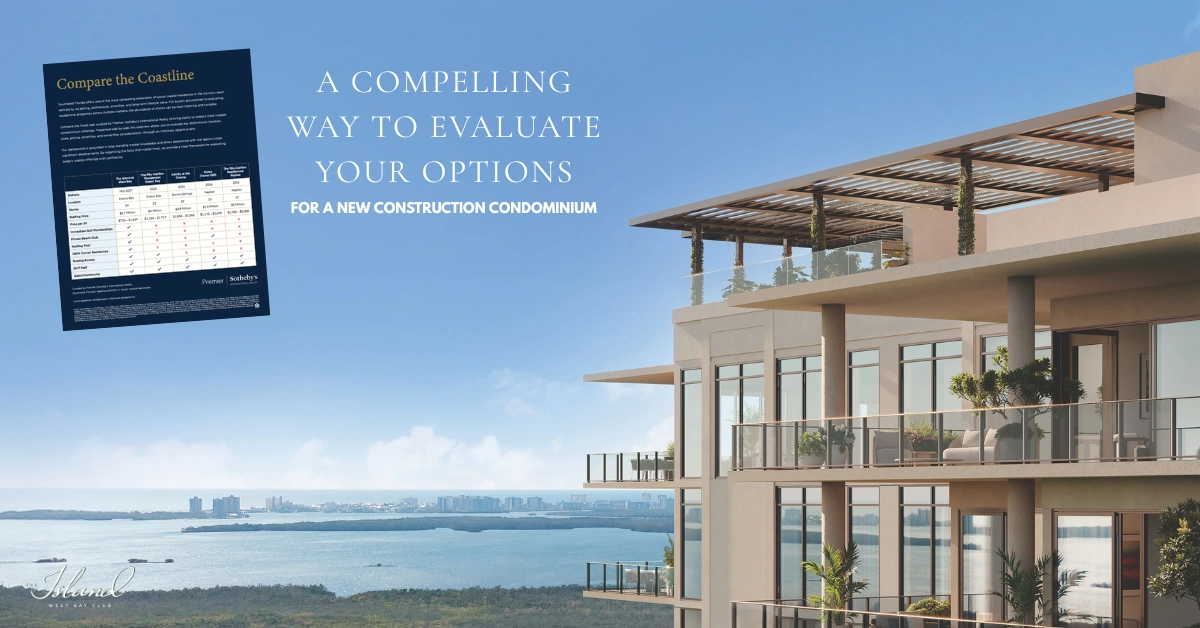
Luxury coastal developments can sound remarkably similar when considered one at a time. The differences become easier to see when buyers put the practical details next to each other—how soon a residence is expected to be delivered, what ownership costs at entry, how many homes share the building and what kind of lifestyle is already available beyond the front door.
Premier Sotheby’s Realty created Compare the Coastline around that kind of evaluation, placing notable Southwest Florida developments into a side-by-side format built around delivery, pricing, scale and lifestyle. Viewed through those measures, The Island at West Bay Club presents a combination of active construction, lower-density residential design and established club access that gives buyers several concrete points of comparison.
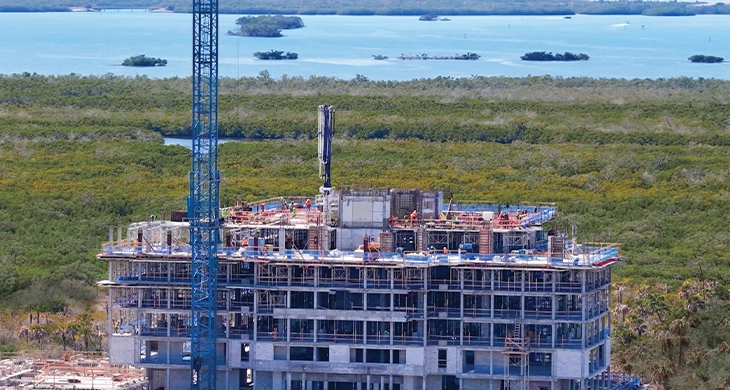
Construction Momentum & Visible Progress
In today’s luxury market, buyers prioritize execution and momentum. Visible progress replaces speculation, offering reassurance that timelines are defined and advancement is tangible. Currently under vertical construction, The Island continues its upward climb right on schedule for a summer topping out, reaching a major milestone with the introduction of mechanical trades into the building. Progress is also well underway with the blockwork officially beginning on the elevated resort-style amenity deck, featuring a resort-style pool with lap lane, relaxing spa, and multiple summer kitchens perfect for waterfront dining and entertaining.
A Coastal Location Defined by Access and Balance
Positioned between Naples to the south and Fort Myers to the north, Estero offers a strategic coastal advantage. Residents can access premier shopping, dining, entertainment, and Southwest Florida International Airport within minutes, while returning home to a quieter, lower-density residential setting. For buyers evaluating the coastline, Estero Bay represents balance — a place where access, privacy, and long-term livability come together in a way that is increasingly rare along Florida’s coast.
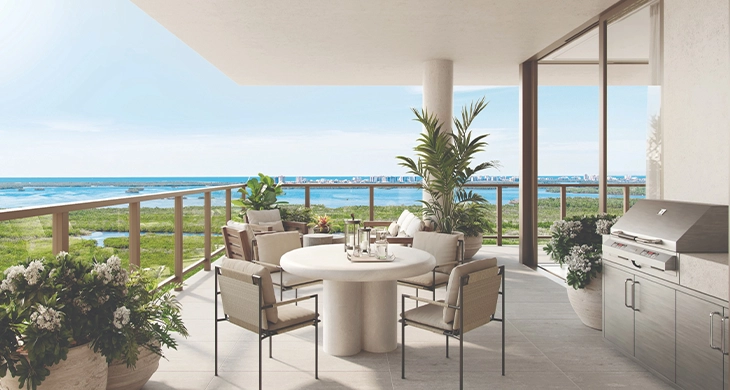
Where Space and Value Align
With residences beginning at $2.7 million, The Island offers one of the most attractive starting points among comparable coastal towers. This allows buyers to secure an expansive new-construction residence within a private golf club community, without the premium often associated with similarly positioned developments.
Featuring 100% corner residences, every home benefits from panoramic Gulf and nature preserve views. By eliminating interior-facing residences entirely, The Island enhances privacy, natural light, and openness to create what feels less like a traditional high-rise and more like a private sanctuary in the sky.
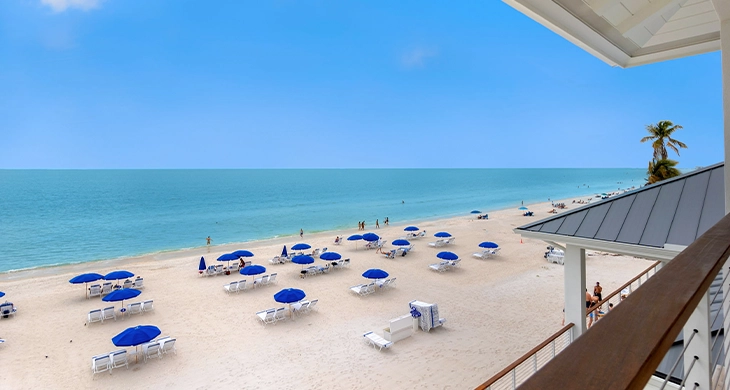
One Residence, Two Layers of Coastal Amenities
The comparison becomes broader once the experience outside the residence is considered. Ownership at The Island places residents within West Bay Club, where championship golf designed by Pete and P.B. Dye, a private Gulf-front Beach Club, dining, wellness, racquet sports and an established social calendar already form part of the community.
The tower adds a separate collection of resident-focused amenities, including a Gulf-facing rooftop pool, resort-style arrival-level pool, fitness center, social spaces, guest suites and 24/7 staffed services. Combined with the gated setting and nearby boating access, those offerings allow buyers to evaluate not simply a new condominium building, but how the residence and an existing private club environment work together.
For buyers comparing space, pricing, construction progress, privacy and lifestyle across Southwest Florida, those distinctions are easier to assess side by side than in isolation. CompareTheCoastline.com provides the broader market comparison, while a private appointment at The Island at West Bay Sales Gallery offers an opportunity to examine the project and its residential experience in greater detail.
At Boca West, the Club Experience Is Built Around Continuity
January 15, 2026 | Read Time: 5 minutes
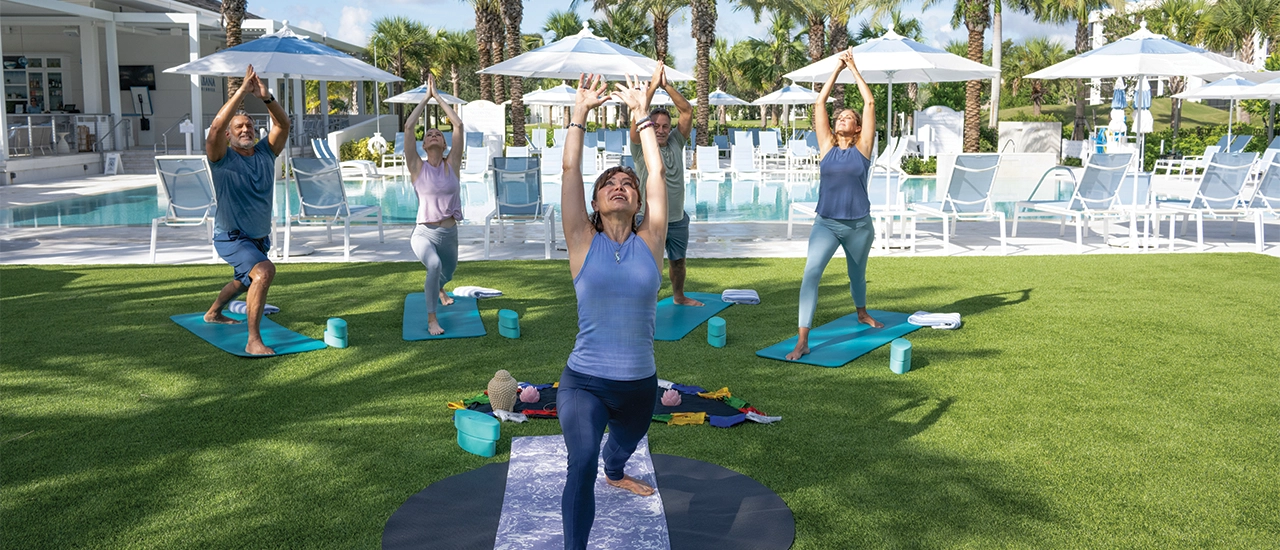
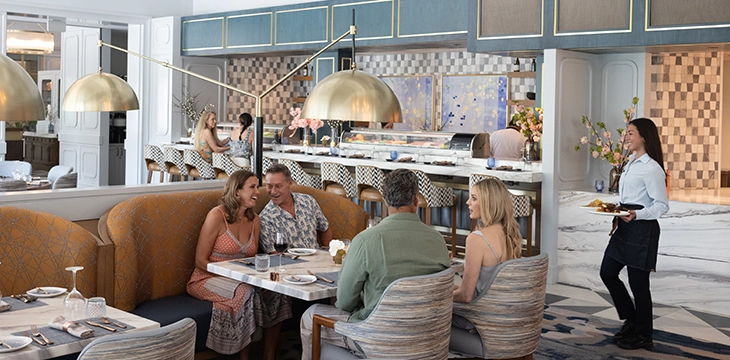
A private club is often defined by its headline amenities, but the more revealing measure is how easily those experiences connect from one day to the next. At Boca West, golf, fitness, dining, racquets, wellness and social programming are not isolated attractions; they overlap throughout the week, giving Members multiple ways to stay active, engaged and connected without leaving the community.
That continuity is what gives Boca West Country Club a distinct position among Boca Raton’s private club communities. Four championship golf courses, extensive wellness and recreation offerings, multiple dining settings and a year-round social calendar create an environment where the scale of the Club matters less than how naturally its different parts become part of everyday life.
Boca Raton: The Epicenter of Florida’s Private Club Lifestyle
For those comparing Boca Raton clubs with golf and wellness, the most compelling communities function almost like small cities: multiple dining venues, fitness and spa facilities, performance spaces, and robust recreational offerings, all within a single, gated environment. Boca West Country Club exemplifies this model, offering not just access, but continuity — a lifestyle that unfolds naturally day after day.
Championship Golf That Never Feels Repetitive
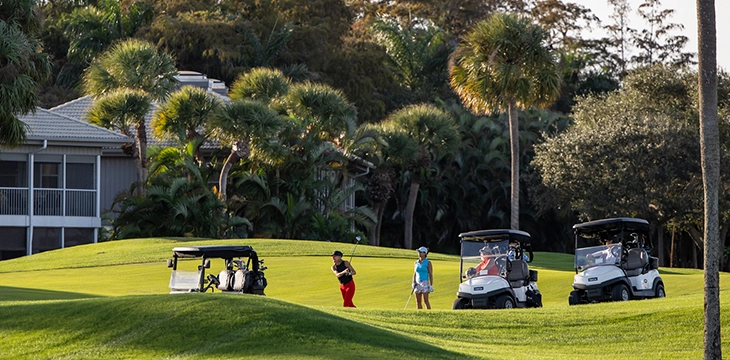
Golf at Boca West Country Club is not a single experience — it’s four distinct ones. The Club’s four championship golf courses each offer their own personality, pace, and architectural character. From strategic layouts that reward precision to more forgiving designs that support social rounds, the variety ensures that golf remains engaging no matter how often one plays.
Complementing the courses is Mr. D’s Drive Suites, a contemporary golf performance and social venue that blends technology with atmosphere. High-tech swing analysis, target games, and comfortable lounge-style seating transform practice into an experience that’s just as popular for casual evenings as it is for skill refinement. Instructional programs, leagues, and competitive events further deepen the experience, reinforcing Boca Raton’s reputation as a premier destination for serious golfers.
A Wellness Lifestyle Designed for Longevity
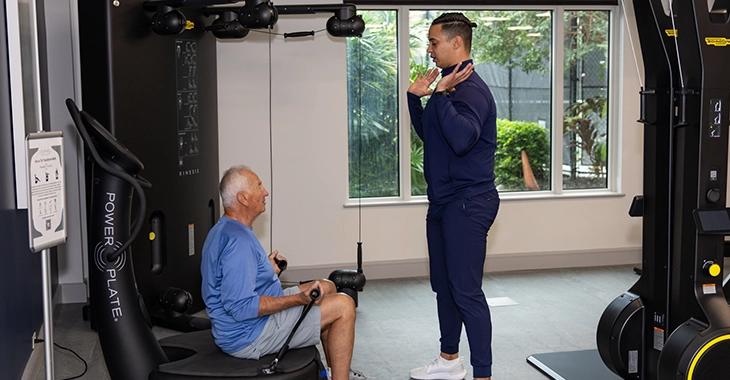
Wellness has become a defining factor for those researching a Boca Raton wellness lifestyle, and Boca West Country Club’s Live Well Program takes a holistic approach grounded in five pillars: fitness, nutrition, mind, renewal, and purpose.
Rather than focusing on trends, the program emphasizes sustainable routines. Members move between strength training, group fitness classes, yoga, Pilates, and aquatic workouts, often pairing physical activity with recovery-focused offerings like spa therapies and restorative practices. Mindfulness sessions, educational programming, and nutrition-forward dining options round out an approach that supports both vitality and balance.

A Social Calendar That Rivals a Cultural Destination
What separates Boca West Country Club from other private clubs is the scale and consistency of its social life. With 600+ annual events, Boca West Country Club’s social calendar is a defining feature. Seasonal Theme Nights have become especially iconic, transforming familiar spaces into immersive environments inspired by global destinations and cultural eras. From casino-style celebrations to fashion-forward evenings and coastal-inspired soirées, these events combine live entertainment, culinary experiences, and design-driven production that elevate the scale of private club social life.
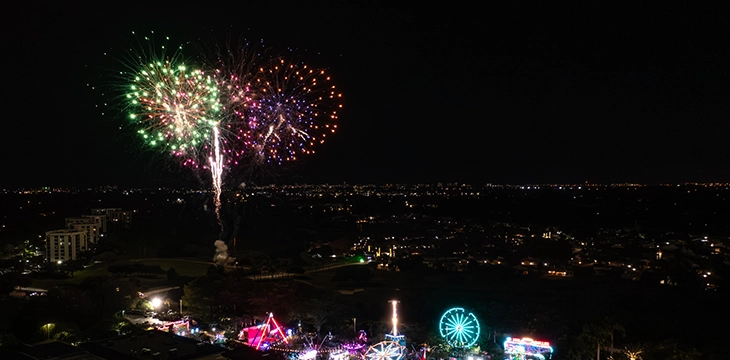
Beyond themed events, the calendar includes community-wide traditions such as the annual Carnival, concerts and comedy shows featuring notable performers, culinary tastings, speaker series, and intimate gatherings that encourage connection across neighborhoods. Here at this Boca Raton private club, no two weeks ever feel the same.
Racquets, Recreation, and What’s Next
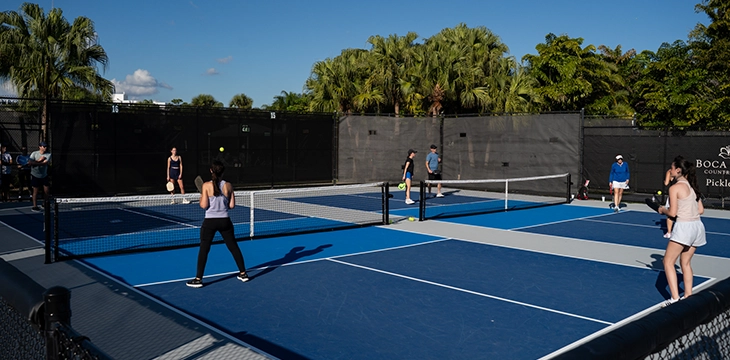
As interests evolve, so do the amenities. Boca West Country Club’s recently completed Racquets Center renovations reflect the growing demand for tennis and pickleball. 27 tennis courts, 14 pickleball courts, social viewing areas, stadium courts, and programming keeps these sports central to the community’s active lifestyle.
Looking ahead, continued enhancements to golf facilities and performance spaces underscore a long-term commitment to innovation. In addition to the four-acre short game area and 50-tee practice facility Members already enjoy, a 9-hole short course and 18-hole putting course will join them. These investments and more ensure that the Club remains one of the most forward-thinking Boca Raton golf communities.
A Residential Community with Choice and Flexibility
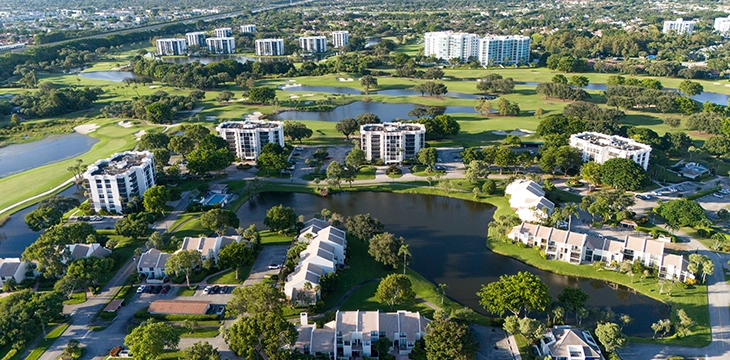
While Boca West Country Club defines the lifestyle experience, Boca West as a residential community offers a broad range of housing options. Residences include condominiums and townhomes starting in the $400s, as well as single-family homes exceeding $5 million, allowing homeowners to align their living space with their lifestyle priorities.
Choosing a Home Inside the Boca West Experience
For buyers drawn to Boca West, the residential decision is closely connected to how they expect to use the Club. Different neighborhoods, residence types and locations within the community give buyers the ability to weigh the home itself alongside proximity to golf, wellness, dining and the activities they plan to make part of their routine.
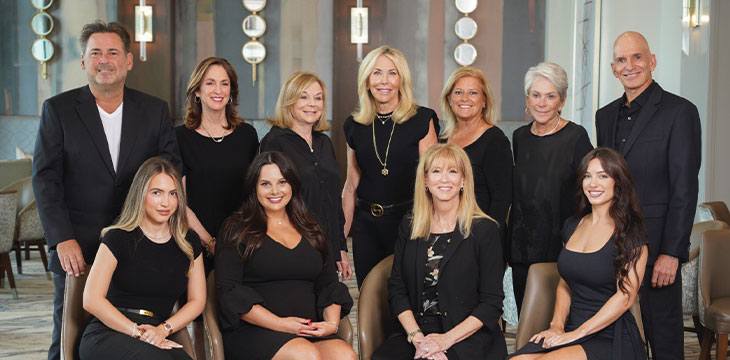
Boca West Realty serves as the community’s exclusive on-site real estate team, giving prospective residents direct insight into current listings, individual neighborhoods and the broader residential experience inside Boca West. The team can also help coordinate private Club tours or provide a complimentary copy of Boca West Life magazine for buyers who want to explore the community in greater detail.
Boca West Realty is available daily at the Welcome Sales Center. For current residential opportunities or additional information, call 561.665.5855 or visit BocaWest.com.
Port St. Lucie Gives Families More Reasons to Step Outside
July 14, 2025 | Read Time: 4 minutes

Getting children away from a screen can be less about setting another limit and more about giving them something better to do instead. Around Port St. Lucie, beaches, preserves, trails and outdoor recreation create plenty of alternatives, while newer neighborhoods are bringing some of those experiences closer to the places families already spend their time.
The Treasure Coast Makes It Easy to Change Up the Outdoor Routine
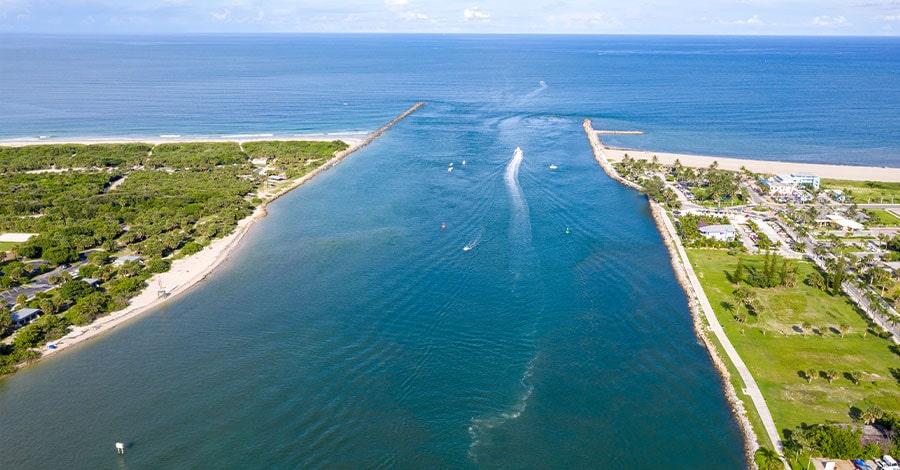
A day outside can look very different depending on where a family heads. Savannas Preserve State Park offers trails through one of the region’s distinctive natural landscapes, while Fort Pierce Inlet State Park brings the experience closer to the coast. Jensen Beach Causeway adds another easy option for fishing, picnics or time along the water, giving families several ways to make being outdoors feel different from one outing to the next.Yet, it’s not just the parks families drive to that are making an impact.

The modern golf course community is making outdoor time not just a weekend event. Designed with built-in trails and open green spaces, these family-friendly neighborhoods bring daily sunshine time closer to home. Whether it’s a morning walk, an impromptu game of tag, or a sunset bike ride, today’s newest communities are designed to make it easy to step outside and connect with nature and each other.
A Golf Course Community Designed for Fresh Air
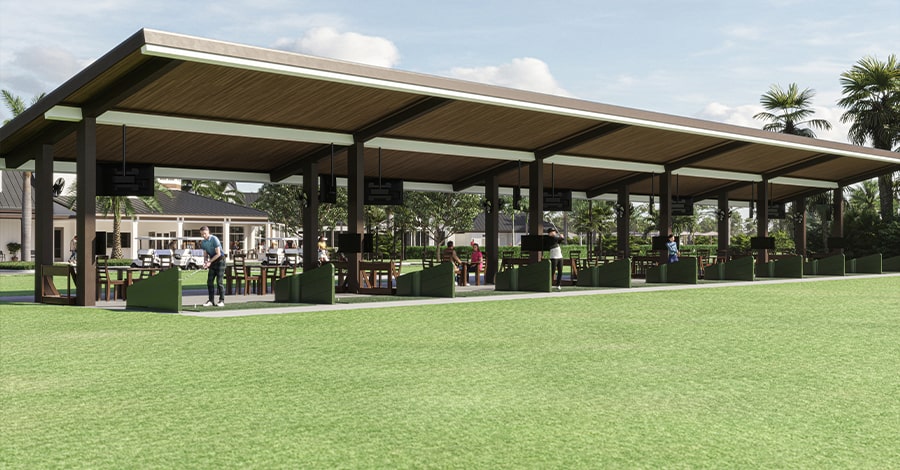
One new community designed with all generations in mind is Glynlea Country Club, a gated Port St. Lucie golf neighborhood. The community’s championship golf course, designed by PGA legend Jim Furyk, was created with all skill levels in mind, even junior golfers. With four sets of tees and fairways that weave through native vegetation and peaceful water features, it’s as much a family-friendly walk through nature as it is a round of golf.
Beyond the fairways, Glynlea brings the game to life in fun, fresh ways the whole family can enjoy. At the Toptracer Aquatic Driving Range, kids can aim for floating targets while trying out interactive game modes that make practice feel like play. While one parent is helping fine-tune a swing or cheer on a long shot, the other can grab snacks or cold drinks from the Tee Box Grille, the on-site food and beverage truck that keeps everyone fueled and happy.

10 Acres of Club Amenities to Enjoy
The opportunities for outdoor play won’t end there. Families at Glynlea will have access to 10 acres of resort-style amenities. From breaking a sweat in the state-of-the-art fitness center to friendly matches on the pickleball and tennis courts, staying active will come naturally. When it’s time to unwind, Fairways Tavern will serve up casual bites, while the resort-style pool offers the perfect place to lounge under the Florida sun. Beyond the golf course community, Wylder adds even more ways to explore, including lakeside recreation, multi-use paths, and the wide-open green space of 113-acre Wylder Park.
A Family-Friendly Neighborhood Built for Connection
Creating outdoor spaces is only part of the story. It’s building a sense of connection that truly inspires kids to get outside and interact. At Glynlea, the event lawn will become a lively hub for food truck nights, holiday celebrations, and weekend socials that bring neighbors together in a relaxed, welcoming setting. Golf cart-friendly paths will make it easy to pause for a quick chat or cruise over to a friend’s house for a spontaneous playdate. Families never have to be far from home to feel completely connected.

The Residential Side of Glynlea Is Now Open to Explore
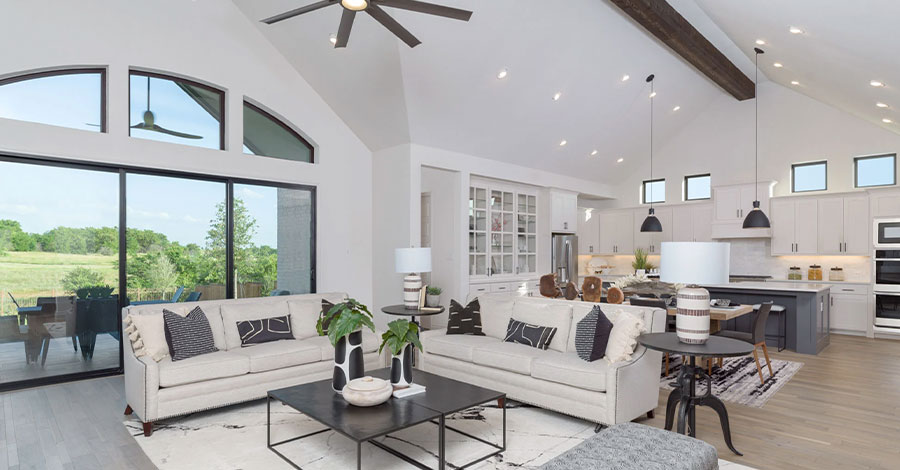
For families who want outdoor time to begin closer to home, Glynlea now offers an active residential setting around golf, lakes, preserved landscapes and club recreation. Homes by Lennar and Perry Homes are part of the current residential mix, giving buyers several ways to consider how the community’s outdoor environment fits with the home itself.
Designer-decorated models are now open daily, and current opportunities range from the $400s to over $1 million. That gives prospective residents a chance to tour homes while also seeing the Jim Furyk-designed golf course, Toptracer Aquatic Driving Range and broader club setting in person rather than evaluating the lifestyle only through plans and renderings.
For current home information and community updates, visit GlynleaCountryClub.com or follow Glynlea on Facebook and Instagram.
